
Top-rated asphalt driveway pros.

Get matched with top asphalt driveway pros in Pixley, CA

Enter your zip and get matched with up to 5 pros

Need a pro for your asphalt driveway service project in Pixley, CA?

Select your specific project to find the pro for you.

Find Asphalt driveway pros in Pixley

Avatar for Just Stamping Concrete
Just Stamping Concrete
5.0(
28
)
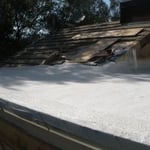
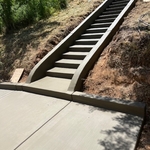
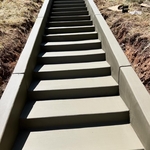
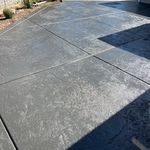
Concrete Driveways & Floors - Install- For BusinessConcrete Driveways - Install

Serving Pixley, CA and surrounding areas

Approved

In business since 2007

Free estimates

Credit card accepted

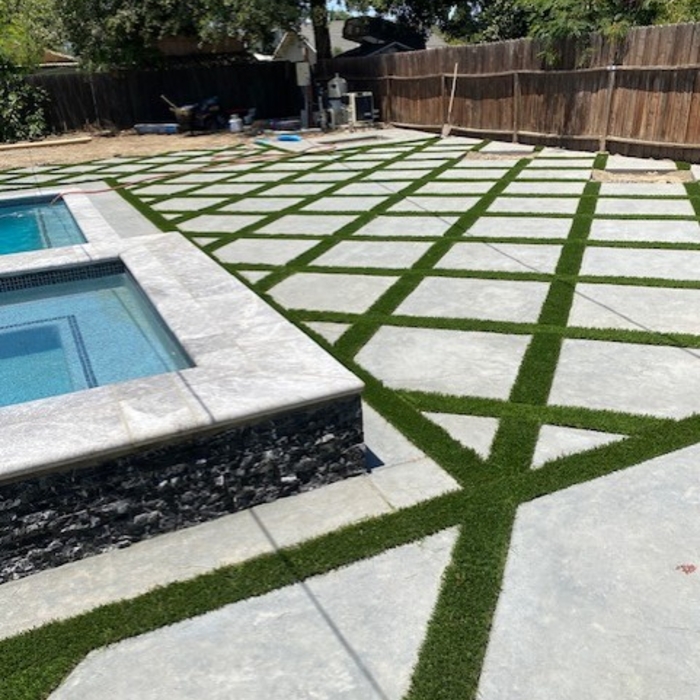
"I recently hired Just Stamping Concrete for a landscaping project, and I must say that I was blown away by their work. Their team is highly skilled and knowledgeable, and they truly transformed my outdoor space into a beautiful oasis."
Concrete
Response time2 hrs
Response rate100%
4 neighbors recently requested a quote
Palm Construction, Inc.
5.0(
112
)
Brick and Stone Driveways & Floors - InstallInterlocking Pavers for Driveways & Floors - Install

Serving Pixley, CA and surrounding areas

In business since 2016

Free estimates

Credit card accepted

It can be a daunting task looking for not only the right contractor for your job but also the right contractor for you. We completely understand what you're going through. We know every customer has different desires, different needs and different schedules. We're not only here to turn your ideas into reality but to make it a memorable experience every step of the way. Call us right now, no matter where you are in the planning process.

Recommended by100%of homeowners
...
Showing 1-10 of 52
Asphalt Driveways questions, answered by experts

Sealing coat asphalt after 6-12 months and then every 2-3 years is recommended.

Yes, it is possible to pave over an existing driveway, but whether it's the right choice depends on several factors. If the underlying structure of your current driveway is still strong, concrete or asphalt resurfacing can be a cost-effective way to prolong its life. However, if your driveway has significant issues like potholes, deep cracks, or other inconsistencies, it is best to remove the old driveway and start from scratch. Key factors to consider include the current driveway's condition, the compatibility of the new material, the added thickness and height, and the necessary surface preparation.

If you’re looking for a similar, eco-friendly driveway material, you might consider one of these options:

  • Permeable pavement: This material is sometimes called “pervious” or “porous” pavement; it allows stormwater to drain into the subbase, eliminating storm drain costs. 

  • Gravel: Consider paving your driveway with locally sourced gravel. By sourcing from a nearby source, your money won’t fund international shipping and will be invested back into your local community.

  • Natural stone pavers: Because natural stone pavers are made from organically-produced stone, there’s no new manufacturing required, limiting the environmental impact. In addition, water easily flows and drains through the gaps in the pavers.

Common alternatives to a gravel driveway include concrete, asphalt, brick, stone pavers, and permeable pavers. Concrete and asphalt are generally the most affordable options. However, concrete can be prone to cracking in cold climates, while asphalt may soften in areas with high heat and direct sun exposure. For enhanced curb appeal, brick, stone, and permeable pavers are popular choices, though their installation can be more expensive due to intricate designs. Stone pavers offer a natural look and are sometimes installed with gravel around them. Both permeable pavers and brick driveways provide excellent drainage, which helps prevent flooding and reduce water runoff.

The choice between asphalt and concrete depends on your priorities, budget, and climate.

Concrete is generally more durable, lasting up to 50 years with minimal upkeep, and offers more customization options like staining and stamping, which can add more to a home's value. However, it is more expensive upfront and can be prone to cracking in cold climates where water can freeze and expand.

Asphalt is typically cheaper and quicker to install and is easier to repair. It performs better in colder climates. However, it requires more maintenance, including regular resealing, has a shorter lifespan, and can get hot and sticky in intense sunlight.

Ultimately, if durability and long-term value are key, concrete is often the better choice. If upfront cost and performance in cold weather are more important, asphalt may be preferable.

The Pixley, CA homeowners’ guide to asphalt driveway services

From average costs to expert advice, get all the answers you need to get your job done.