







Top-rated lead testing and removal specialists.

Get matched with top lead testing and removal specialists in Pacific Grove, CA

Enter your zip and get matched with up to 5 pros

Need a pro for your lead testing and removal project in Pacific Grove, CA?

Select your specific project to find the pro for you.

Find Lead testing and removal specialists in Pacific Grove

Avatar for Adviro
Adviro
4.8(
48
)

Serving Pacific Grove, CA and surrounding areas

In business since 2014

Free estimates

Small jobs welcome

"I used Adviro for radon and VOC testing when buying a home and they were excellent. They were easy to get in touch with, quick to quote, and out on site a few days after I signed the contract. Communication was easy and clear, I could rely on them to do what they said they'd do, and the price was appropriate for the work. I wouldn't hesitate to recommend them or use them again."

Adviro Professional
Tech Team
Adviro Vehicles
Response time1 day
Recommended by100%of homeowners

Avatar for Certified-Environmental
Certified-Environmental
4.6(
167
)

Serving Pacific Grove, CA and surrounding areas

In business since 2005

Free estimates

Credit card accepted

"Richard is an amazing mold specialist who took care to thoroughly inspect my apartment ahead of my DoD sponsored move. He took care to ensure that my moving company received more than adequate proof and documentation that my belongings were free and clear of mold in an apartment complex that is highly susceptible to it, here in Monterey. I would highly recommend his services to those who require the highest expertise in mold inspection, testing and mitigation. Thank you so much!"
Rich Gray
Allergies
Heating System
Bed Bug
Dust Mite

+5

Recommended by87%of homeowners
Lead Testing and Removal questions, answered by experts

Some causes of brown well water—like excess tannins or dissolved iron—don’t pose a health risk. In other cases, harmful bacteria might be the culprit. If your well water has suddenly turned brown, it’s a good idea to use a home water test kit to get a better sense of what’s going on with your water. Consider calling a professional for an expert opinion before drinking the water and hoping for the best.

According to the Environmental Protection Agency (EPA), hazardous waste is generally classified into four main categories:

1. Characteristic Wastes: These exhibit at least one of four hazardous traits: ignitability (flammable, like gasoline), corrosivity (can rust or decompose materials, like car batteries), reactivity (unstable and can explode, like aerosol cans), or toxicity (harmful when ingested, like lead-based paint).

2. Listed Wastes: These are specific wastes from manufacturing and industrial processes that the EPA has officially designated as hazardous. They include byproducts from processes that use solvents, pesticides, and other chemicals.

3. Universal Wastes: These are commonly generated hazardous items that are subject to streamlined regulations. Examples include batteries, pesticides, mercury-containing equipment (e.g., bulbs), and some lamps.

4. Mixed Wastes: This category includes waste that contains both hazardous and radioactive components, making it subject to regulation by both the EPA and the Nuclear Regulatory Commission.

Professionals use specialized equipment and techniques to detect asbestos, radon, and VOCs.

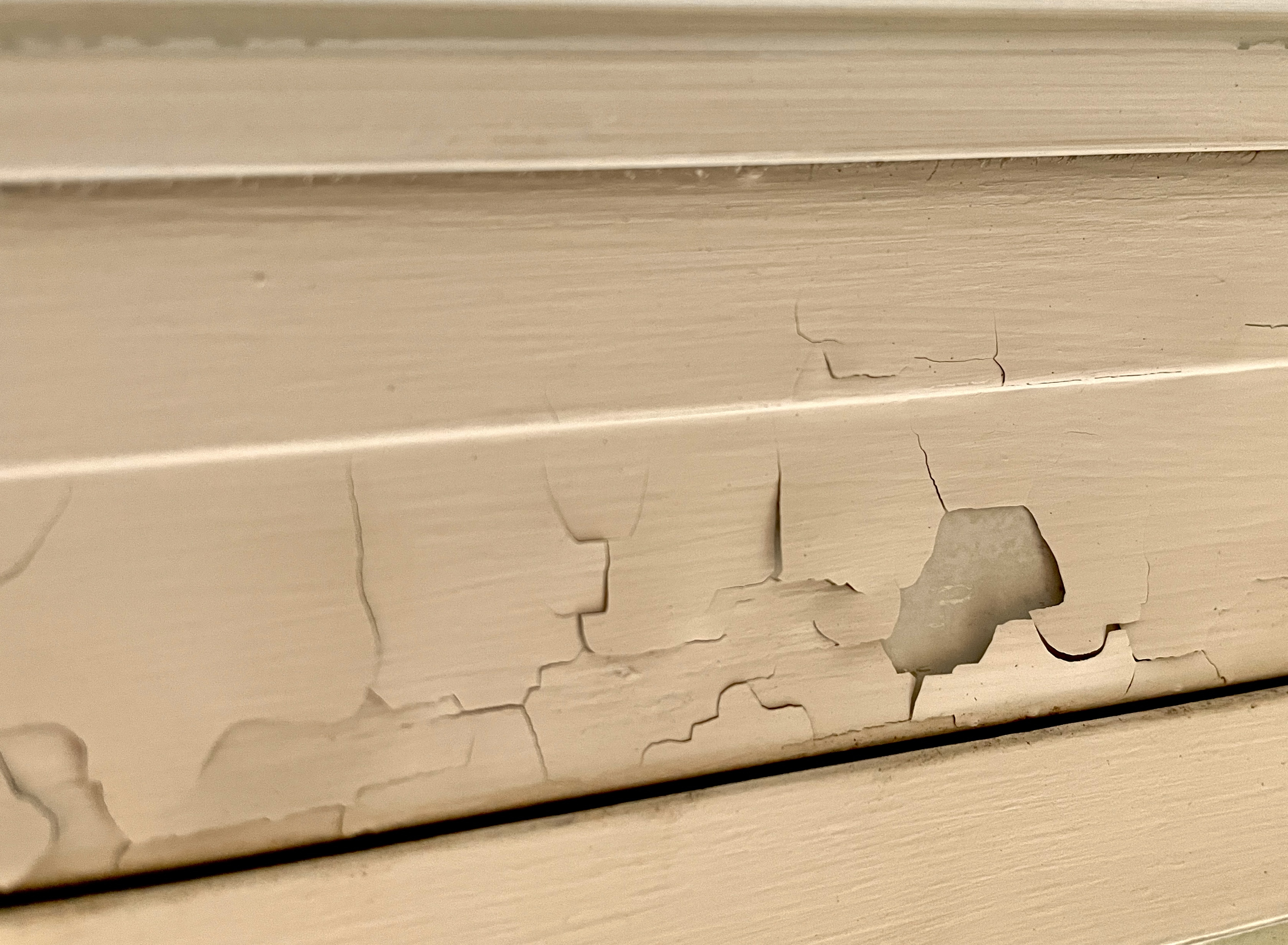
While not all homes built before 1978 contain lead paint, enough do, so you’ll still want to test to be on the safe side. The federal government banned lead-based paint for homes in 1978, but your state may have banned lead before that time. Around 24% of homes built between 1960 and 1977 contained lead-based paint, while 87% of homes built before 1940 contained lead-based paint.

Through air sampling devices and surface swabs in key areas of concern.

The Pacific Grove, CA homeowners’ guide to lead testing and removal services

From average costs to expert advice, get all the answers you need to get your job done.