





Top-rated fountain pros.

Get matched with top fountain pros in Live Oak, CA

Enter your zip and get matched with up to 5 pros

Need a pro for your fountain service project in Live Oak, CA?

Select your specific project to find the pro for you.

Find Fountain pros in Live Oak

Avatar for Sierra Flow Landscaping and Waterscapes
Sierra Flow Landscaping and Waterscapes
New to Angi

Serving Live Oak, CA and surrounding areas

Free estimates

Emergency services offered

Warranties offered

Sierra Flow Landscaping and Waterscapes specializes in pond and water feature maintenance, cleanouts, troubleshooting, and small repairs, along with irrigation and landscape service. Reliable, high-quality work throughout the Sierra foothills and Sacramento.

Fountains questions, answered by experts

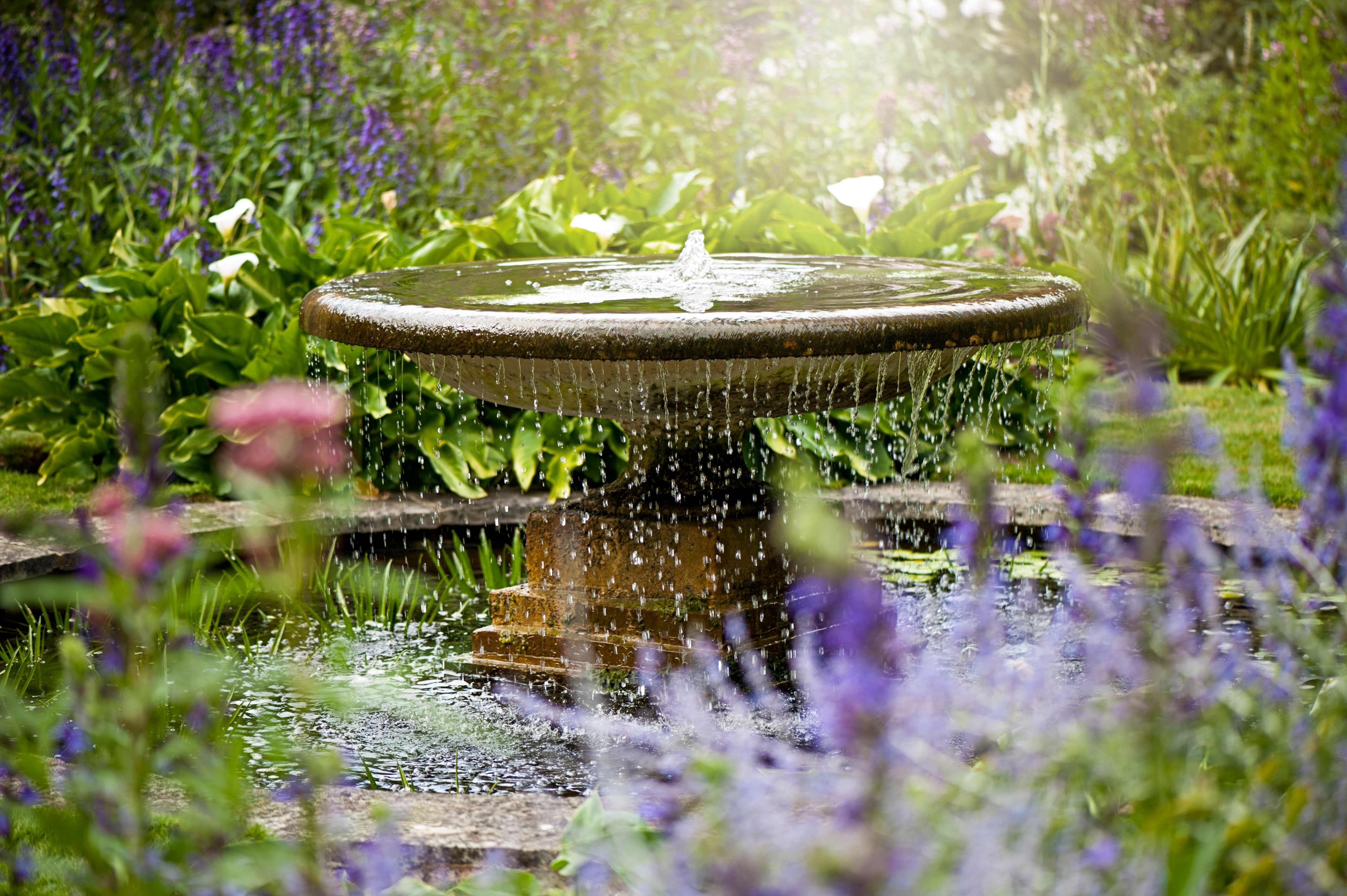
You can choose several types of fountains to add to your backyard, ranging in size, number of basins, and special water features. 

Check out the price ranges of common fountain types:

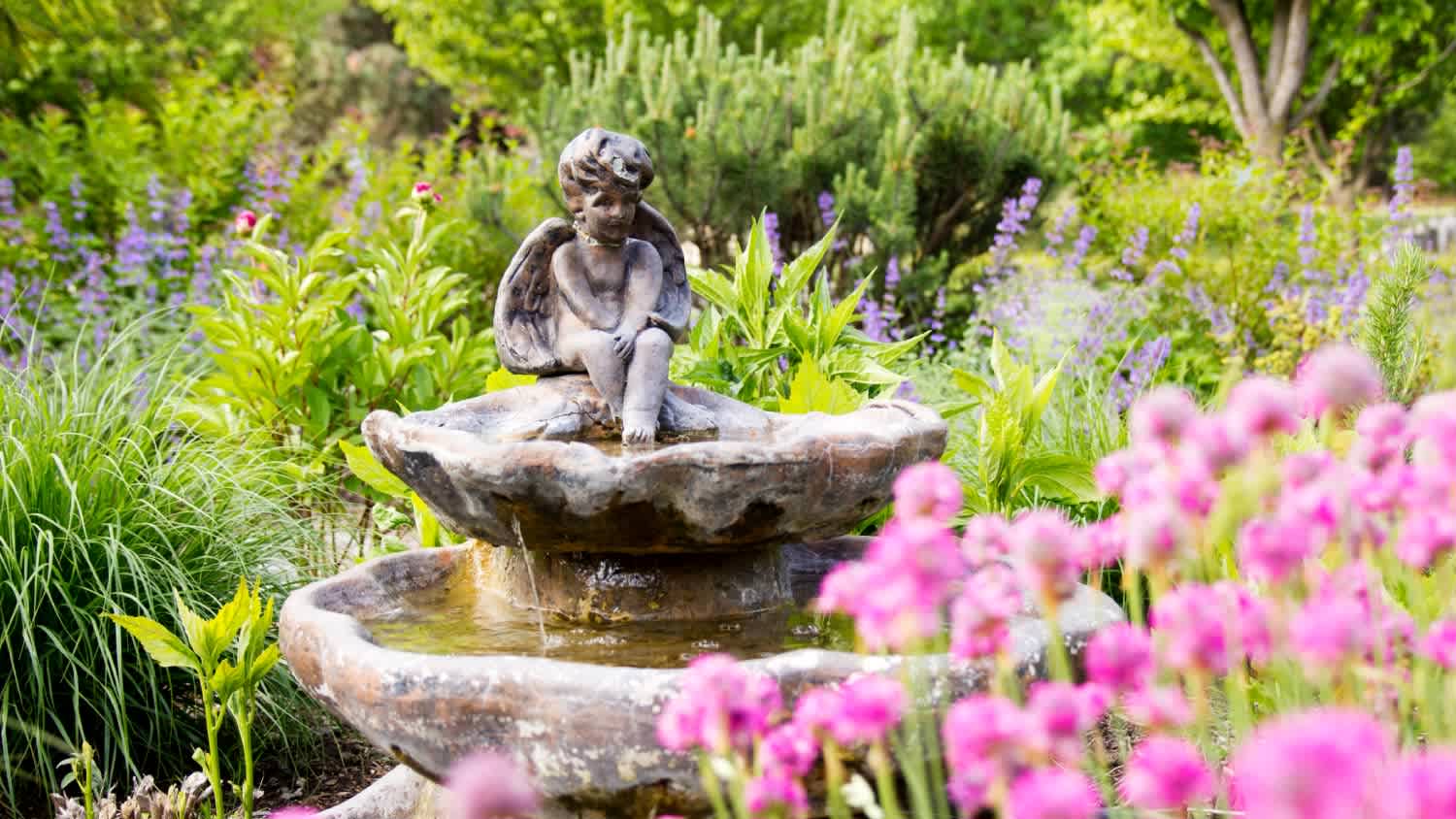
  • Birdbath fountains: $40 to $1,100

  • Cascading fountains: $40 to $2,000

  • Tiered fountains: $100 to $6,000

  • Kugel fountains: $150 to $5,000

  • Glass wall fountains: $100 to $3,000

Because frogs require fresh water for survival, they can die from repeated exposure to swimming pool chemicals. Chlorine dehydrates frogs, which can lead to their deaths. To ensure frogs don’t hang out in your pool for long periods, safely remove them once you spot them in your pool and install a frog log so they can easily hop out on their own.

Whether a natural pool is worth it depends on several factors because they cost more than traditional pools. Many people opt for natural pools because they enjoy swimming in natural bodies of water such as lakes. Also, if you're environmentally conscious, a natural pool is going to be a much more attractive option than a traditional pool.

Moreover, for people with chemical sensitivities, a natural pool is a great solution since the water doesn’t contain chlorine.

In addition to length and width, pond liners also come in various thickness levels. Thickness is measured in mils, a unit of measurement equal to one-thousandth of an inch, with most pond liners ranging from 15 to 60 mils in thickness. The smaller the number, the thinner (and weaker) the liner. To prevent rips and tears, it’s best to choose a pond liner that’s at least 30 mils thick.

While they’re popular and have a lot of pros, the cons of river rocks include the following:

  • River rocks don’t break down or provide nutrients to plants. 

  • These stones can get hot and scorch nearby plants. 

  • River stones may heat the surrounding soil to inhospitable temperatures. 

  • Rocks can block rainwater from seeping into the ground if installations are too thick or tightly packed.

Most downsides occur when using river rock as mulch in gardens and flower beds. However, you can still incorporate river rocks into your landscape as long as you use them in the correct ways.

The Live Oak, CA homeowners’ guide to fountain services

From average costs to expert advice, get all the answers you need to get your job done.