






Top-rated excavation pros.

Get matched with top excavation pros in Inyokern, CA

Enter your zip and get matched with up to 5 pros

Need a pro for your excavation project in Inyokern, CA?

Select your specific project to find the pro for you.

Find Excavation pros in Inyokern

Avatar for JB Earthwork
JB Earthwork
4.8(
5
)

Serving Inyokern, CA and surrounding areas

In business since 2017

Free estimates

Emergency services offered

"I hired this service provider for a major Grading project, i needed an excavation for dirt removal, the service provider started the job but he did not finish and there is a lot of dirt that needs to be haul and a parts that needs to be leveled, the service provider is not returning my calls and i need to have this job done asap."
Response time5 days
Recommended by80%of homeowners

Avatar for Sanderson Landscape Solutions
Sanderson Landscape Solutions
5.0(
2
)

Serving Inyokern, CA and surrounding areas

In business since 2015

Free estimates

Emergency services offered

"Cole and Workers are always on time, they clean up when they leave, willing to accommodate changes in the work with you, and always do the best job. They are very polite."
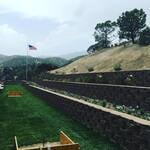
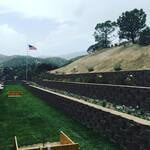
Retaining Wall After
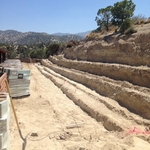
Retaining Wall Before
Retaining Wall Install
Paver Project After
Paver Project Before

+1

Response time4 days
Recommended by100%of homeowners
Excavating questions, answered by experts

There is no standard depth for burying a septic tank; they are typically buried anywhere from 4 inches to 4 feet underground. The final depth depends on several factors, including the depth of your main sewer line, the height of the bedrock, soil type, local regulations, and the property's landscape. If you plan to grow grass or plants over the tank, a depth of at least 4 to 6 inches is recommended. Deeper tanks can be more difficult to locate, but a septic professional can help find it for you.

A crawl space can be as little as 42 inches below the grade of your house, but this is not always recommended in flood-prone areas. At a minimum, there must be at least 16 inches of clearance between the ground and the floor joists to access the space in an emergency.

Sewer lines can be buried anywhere from 18 inches to 8 feet deep, with a common average depth between 18 and 30 inches. The exact depth depends on local factors like climate and soil type. In colder regions, pipes must be buried deeper (below the frost line) to prevent freezing, sometimes as deep as 8 feet. The digging depth can also impact the cost of sewer line replacement. To find the specific depth for your property, you can check the building plans for your system, which should be on file with your city or local sanitation department since permits are required for installation.

Digging a bush up by the roots is the most natural DIY method for removing a bush stump. Start by identifying the shrub type and revealing its roots. Cut the shrub to its base and loosen the soil, ensuring no utility lines are nearby. Optionally, treat the base with herbicide, then dig around the roots and cut a circle around the shrub using various tools. Dig a trench, cut the base of the root ball, and finally fill the hole to prevent regrowth. This thorough process ensures complete removal without damaging surrounding areas.

Concrete blocks are the cheapest way to base a shed. However, the space in between allows critters to go under, burrow, and even damage your shed’s frame. For a more pest-proof option, consider building a shed base with gravel or paver stones. Both options are fairly affordable and easy enough for a DIY project. For gravel, you can build a wooden frame to contain the loose material.

The Inyokern, CA homeowners’ guide to excavation services

From average costs to expert advice, get all the answers you need to get your job done.