"Our bathroom was outdated and cramped, so we decided to remodel with Ocean Seven Builders. Ron was involved throughout the process and made sure we understood each step. What stood out most was how organized everything felt once the work began. The team was respectful of our home and finished the project close to the expected timeline. The final result looks modern and much more functional!"
With over 10 years of experience in the home repair industry, we are the service professionals you need to take care of your home or business. We handle everything from doors to painting. We will treat your home as we will treat our own. Give Made to be Handy a call today, we look forward to working with you!
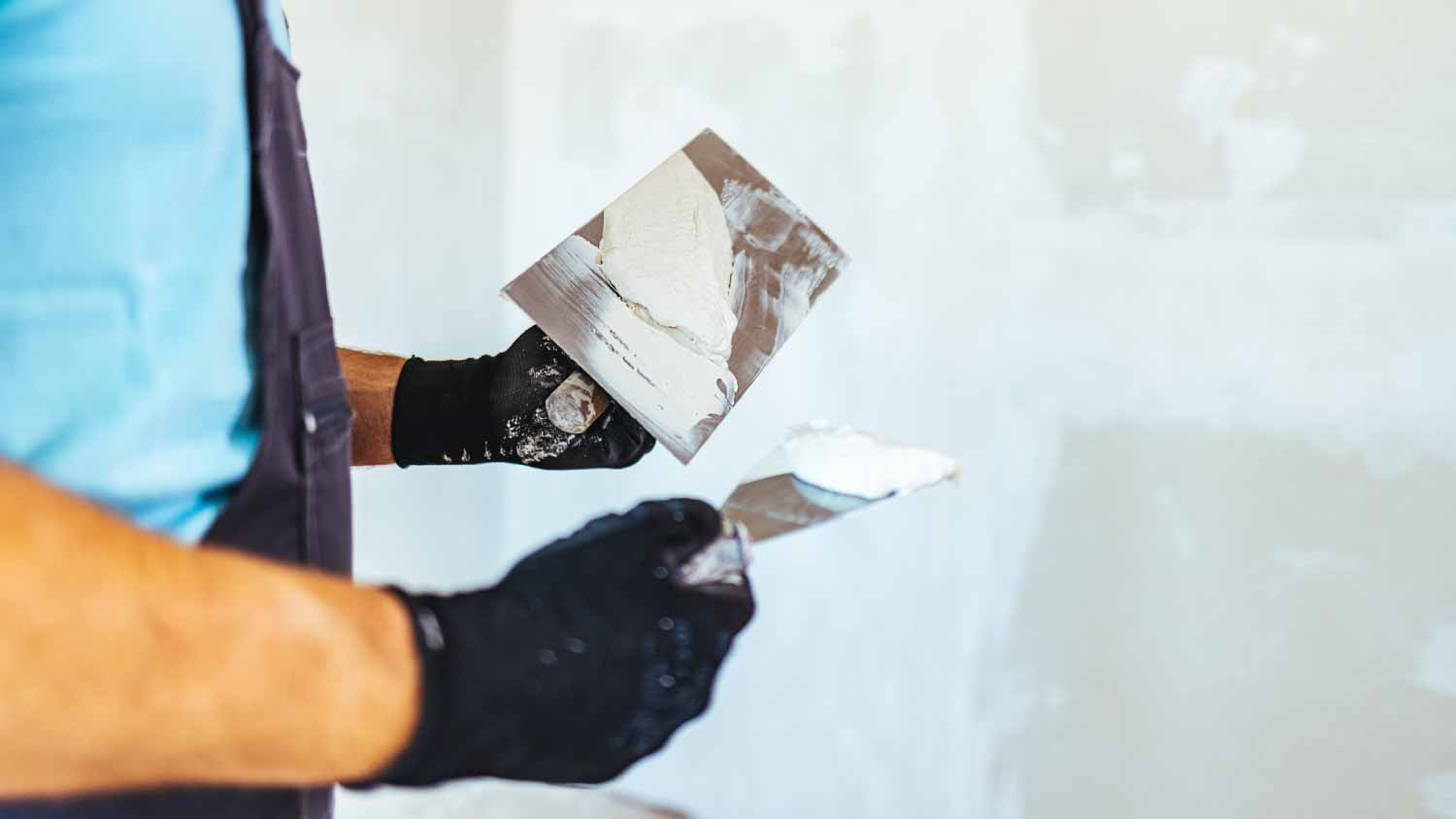
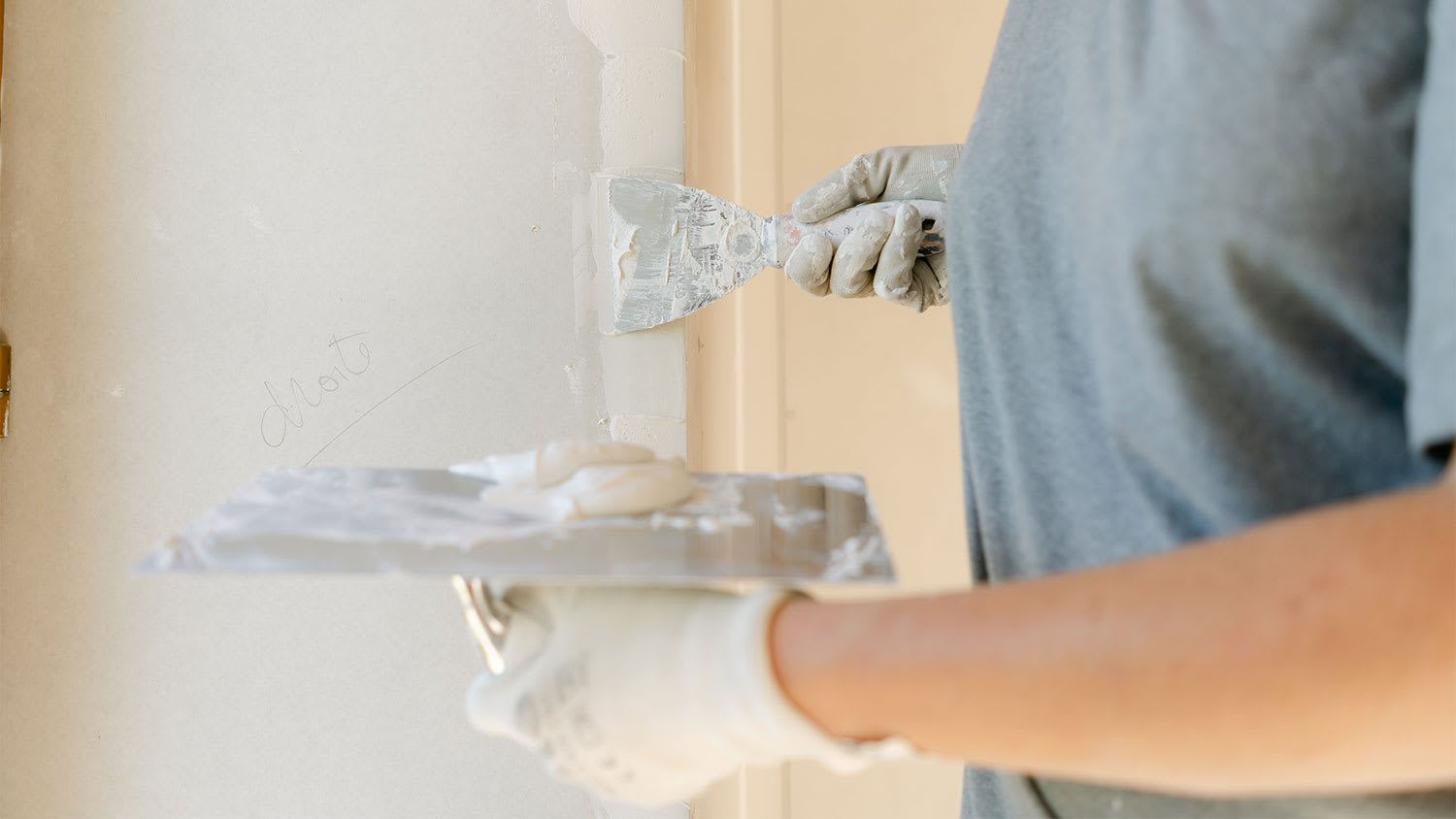
Smaller is better when patching holes with spackle. Any holes wider than four to six inches in diameter tend to be too wide to repair with spackle alone. You'll likely want to patch bigger holes with a drywall panel.
Even holes measuring up to 6 inches may be challenging to fill with spackle alone. For best results, purchase a wall repair patch made from wire mesh. Cut the patch to fit over the hole, then use the spackle to hold it in place. Apply the spackle over the patch as you would for a smaller hole.
Wondering who to call for ceiling repair? While you can hire a handyperson to fix minor cracks, you’ll want to hire a drywall professional for larger issues. Depending on the cause of the crack, you may need to hire other contractors, such as a foundation contractor, mold remediation company, roofer, or plumber near you.
It depends on the construction of your wall. Most handypeople can fix small holes in drywall. If your wall is plaster or brick, more significant damage may require a drywall contractor or a mason. Hiring a handyperson costs less than a more specialized type of contractor, but they’re not trained in all types of wall repairs.
In most cases, plaster repair will improve your home’s energy efficiency because a solid barrier of the insulative material helps keep conditioned air inside your home. Major plaster repair jobs like repairing large cracks or crumbling sections of plaster or applying a skim coat might make a noticeable difference in your heating and cooling bills. Not only can plaster repairs improve efficiency, but they can also reduce strain on your HVAC equipment, potentially saving you money on maintenance and repairs.
The cost to repair a ceiling after a water leak can vary, with averages ranging from $419 to $1,359, or $45 to $55 per square foot. Smaller patches may cost around $150. The final price depends on the size of the affected area and the extent of the damage. Remember that you will also need to repair the source of the leak, such as roof damage or a plumbing issue, which can cost an additional $200 to $1,550. Depending on the situation, you might also face costs for repainting or repairing floors. For an accurate estimate, it is best to get a quote from a professional.
The Hoopa, CA homeowners’ guide to plaster repairs
From average costs to expert advice, get all the answers you need to get your job done.
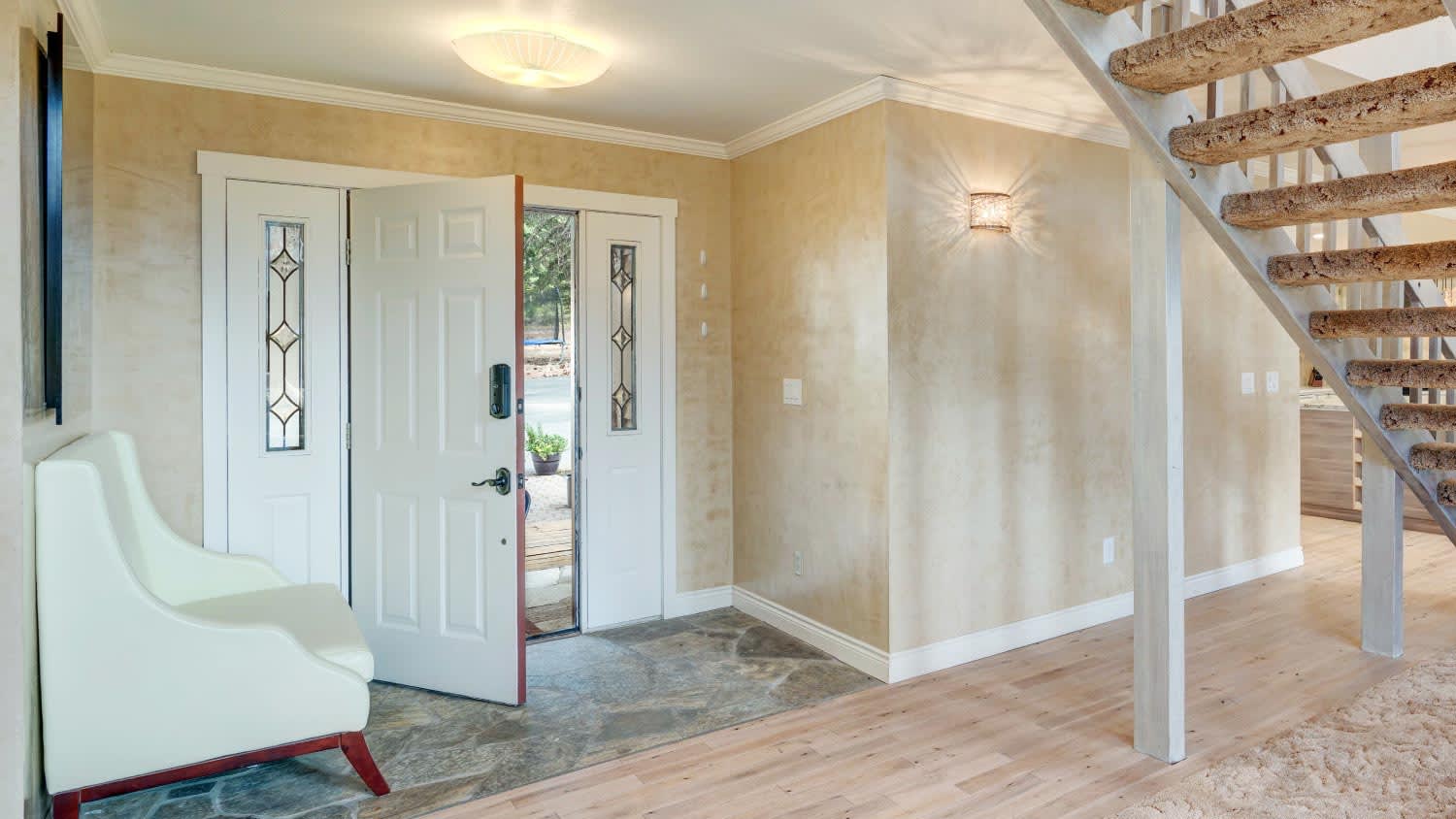
Venetian plaster can add depth and texture to your aesthetic. Learn how much Venetian plaster costs based on factors like square footage and whether you hire a pro to help.
You can find plaster walls in a lot of older homes. What’s behind these walls—whether that’s lath or calcimine—can have an impact on how long they last. Finding out the age of your house can help you determine what you’re dealing with.