Septic systems typically require servicing every 3-5 years, but frequency varies according to household size and tank capacity.
When septic systems begin to fail, your waste will start to seep into the groundwater. You may notice a foul odor (it’ll smell like sewage) or a squishy, moist lawn. The grass right over your tank or drain field might grow super lush and green because your waste actually fertilizes it. Other signs include standing water in your drain field, slow-draining sinks and tubs, and gurgling noises in the plumbing.
It depends on several factors, such as the equipment used and the company. However, it takes about 20 to 30 minutes to pump an average-size septic tank of 1,000 gallons. A larger tank that is over 1,500 gallons can take up to an hour to pump as long as there are no complications.
Common drain issues include slow-running drains, whether in a sink or shower, clogged drains, a bad smell, and water backing up into a sink, shower, or bathtub. Causes range from hair, grease, roots, or toilet paper clogging the drainpipes to flooding outside the home, which prevents sewer lines from draining properly.
Using less toilet paper is the easiest way to prevent future clogs. Also, avoid flushing sanitary products, thick paper towels, or hair down the toilet. If you’ve been using a brick in the tank to reduce the water used to flush the toilet, take it out immediately. Bricks will eventually fall apart and clog your toilet drain. Keeping your toilet lid closed also helps avoid future clogs.
The Hoopa, CA homeowners’ guide to aquarium services
From average costs to expert advice, get all the answers you need to get your job done.
Discover mosquito control service cost estimates, including average prices, key cost factors, and tips to save on professional mosquito treatments for your home.
If you’re moving, you need to consider distance, weight, packing, and more. Our guide provides the average cost to move a 3-bedroom house long distance.
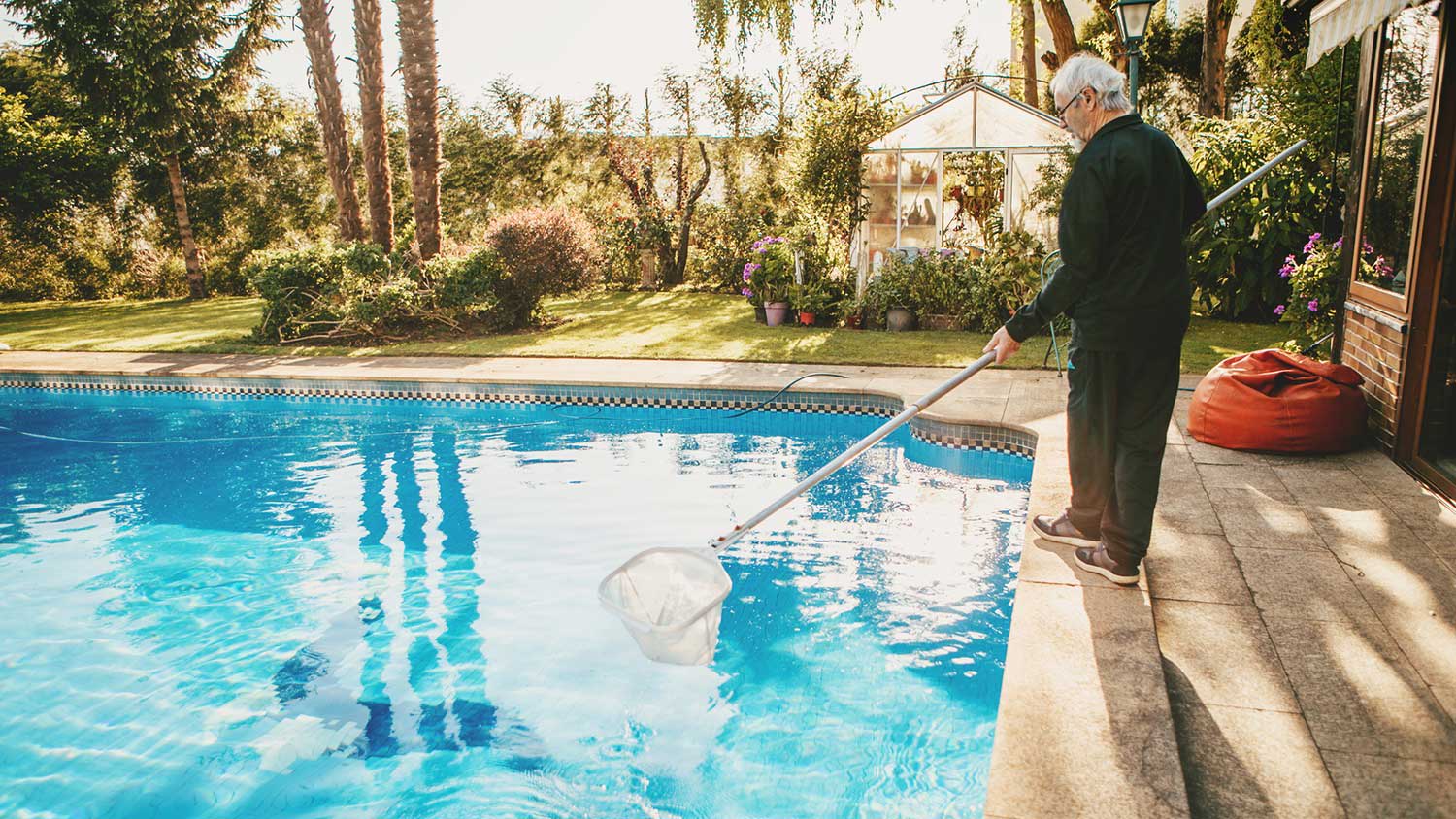
If you live in an area without very cold winters but tempted to close your pool during the cooler months, read on. We dive into the many benefits of winter service.
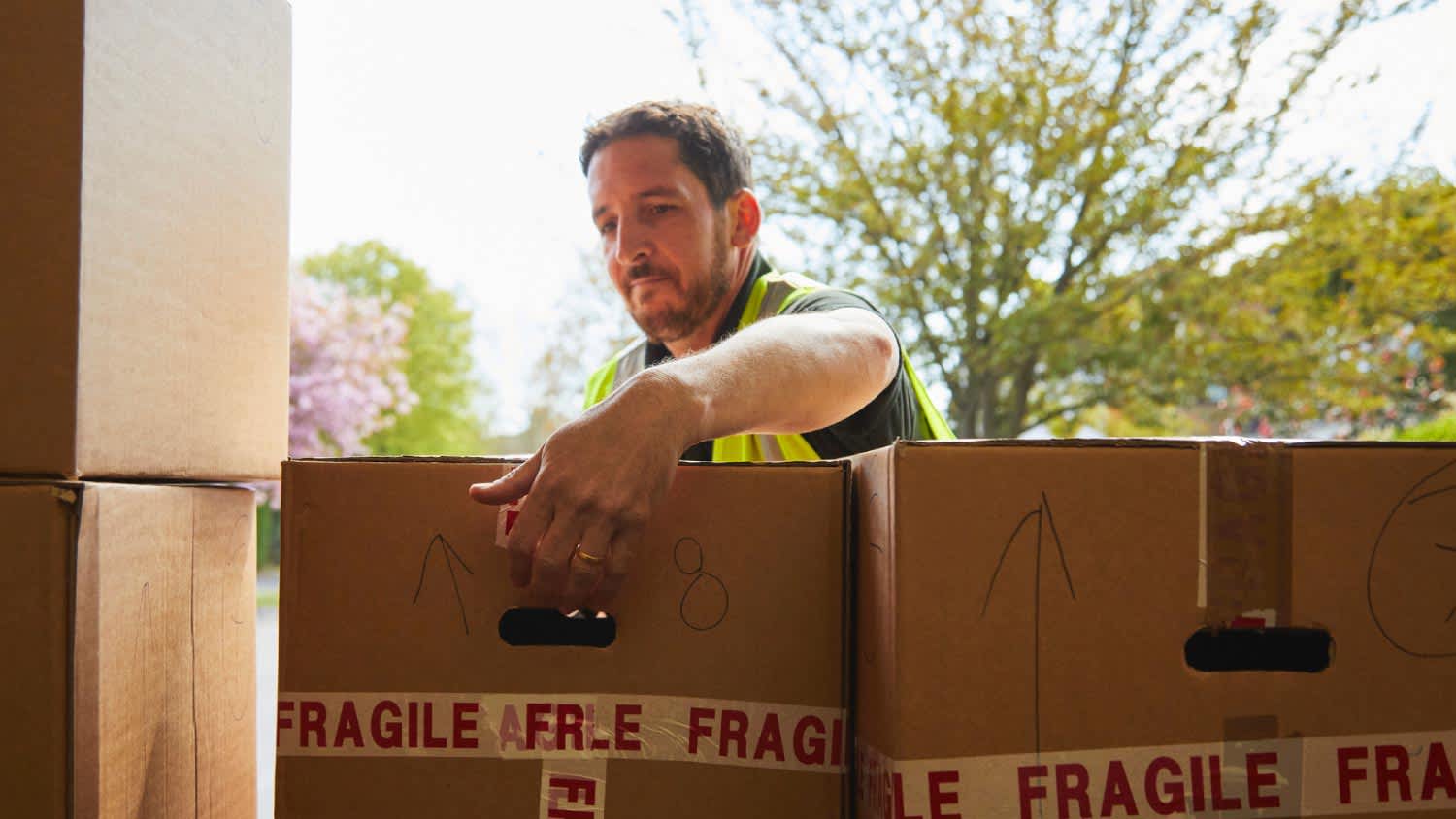
Learn about home items that are nearly impossible to move without movers, either because they are awkwardly shaped, too heavy, or require special equipment.
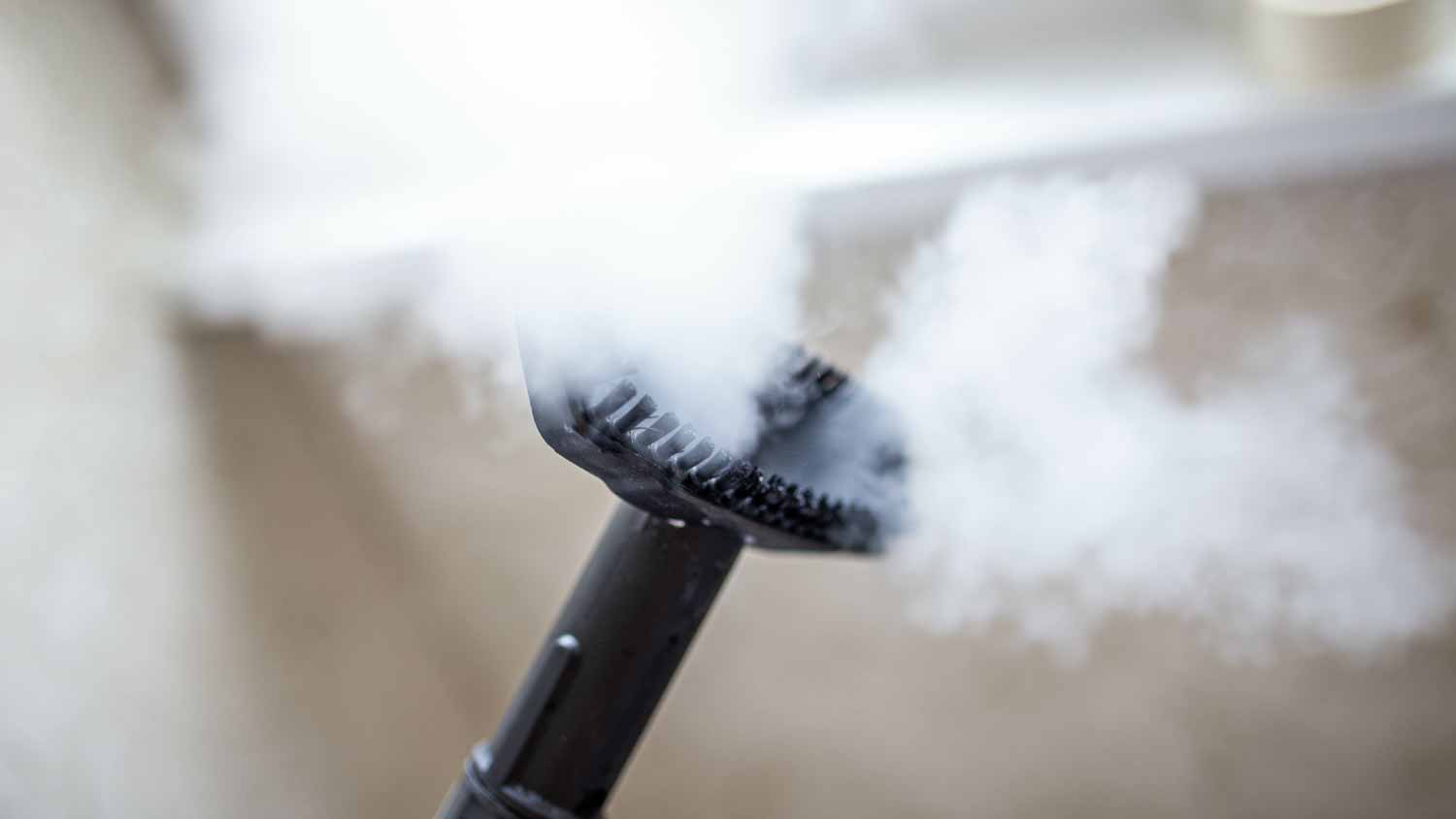
Steam cleaning makes your floors feel spotless without harsh chemicals. However, certain areas benefit from steam more than others. Here’s what you can clean with a steam cleaner.