




Hiring a house cleaner frees up your schedule and keeps your home spotless. The cost to hire a house cleaner depends on the size of your house, your schedule, and who you hire. Use this guide to understand typical house cleaning prices better.

*The Angi rating for Sonic Cleaning companies in Georgetown, CA is a rating based on verified reviews from our community of homeowners who have used these pros to meet their Sonic Cleaning needs.
*The HomeAdvisor rating for Sonic Cleaning companies in Georgetown, CA is a rating based on verified reviews from our community of homeowners who have used these pros to meet their Sonic Cleaning needs.
Last update on February 13, 2026
From average costs to expert advice, get all the answers you need to get your job done.
Hiring a house cleaner frees up your schedule and keeps your home spotless. The cost to hire a house cleaner depends on the size of your house, your schedule, and who you hire. Use this guide to understand typical house cleaning prices better.

Find out the average commercial cleaning cost, what factors impact pricing, and how to save—empowering you to make informed decisions for your business.

Apartment cleaning costs vary considerably depending on the cleaning frequency, the apartment's size, and its inhabitants' cleanliness.
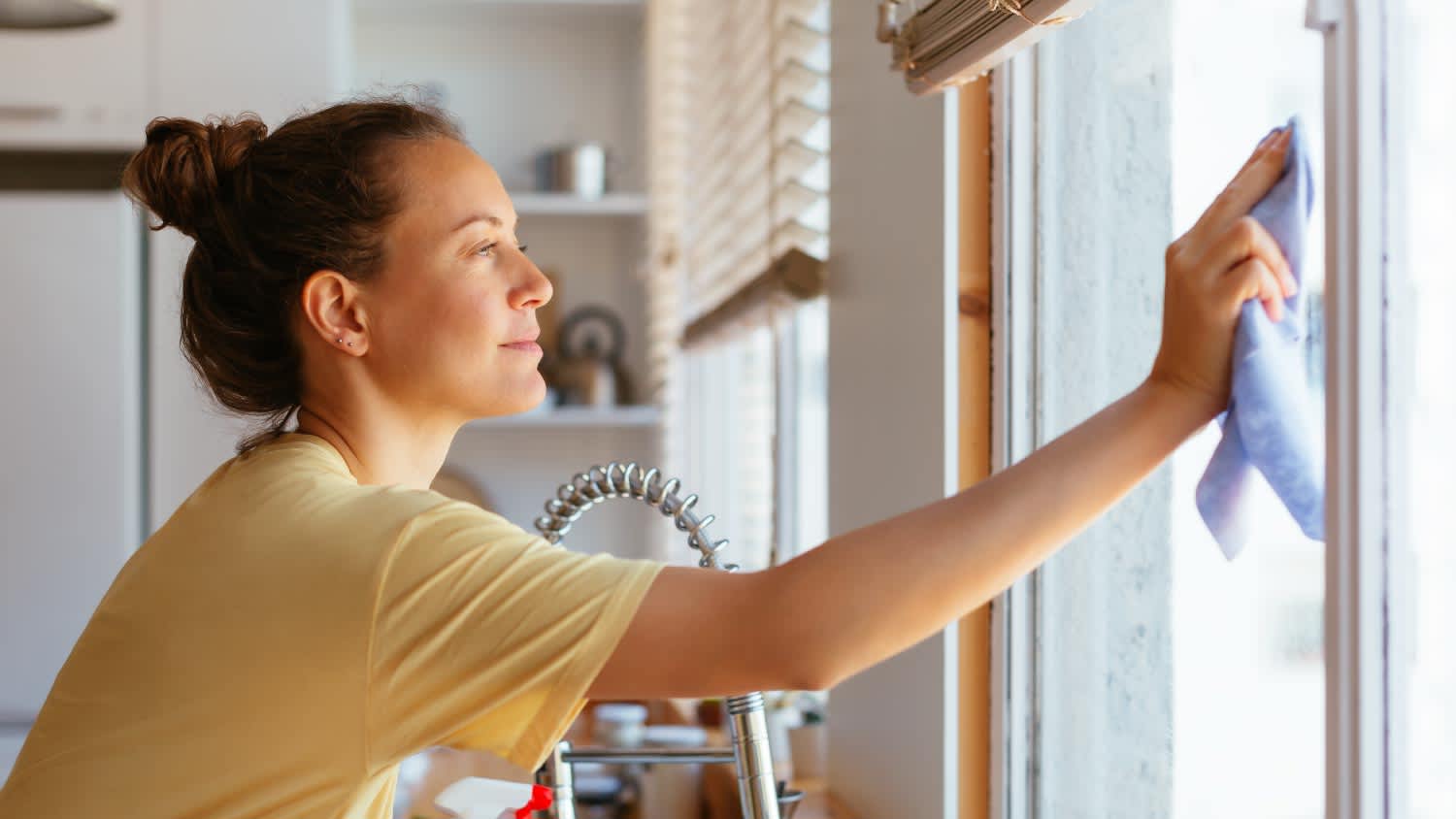
Cleaning with dirty cleaning supplies will only make your home dirtier. Follow these tips to clean your cleaning supplies and help them do their jobs perfectly.
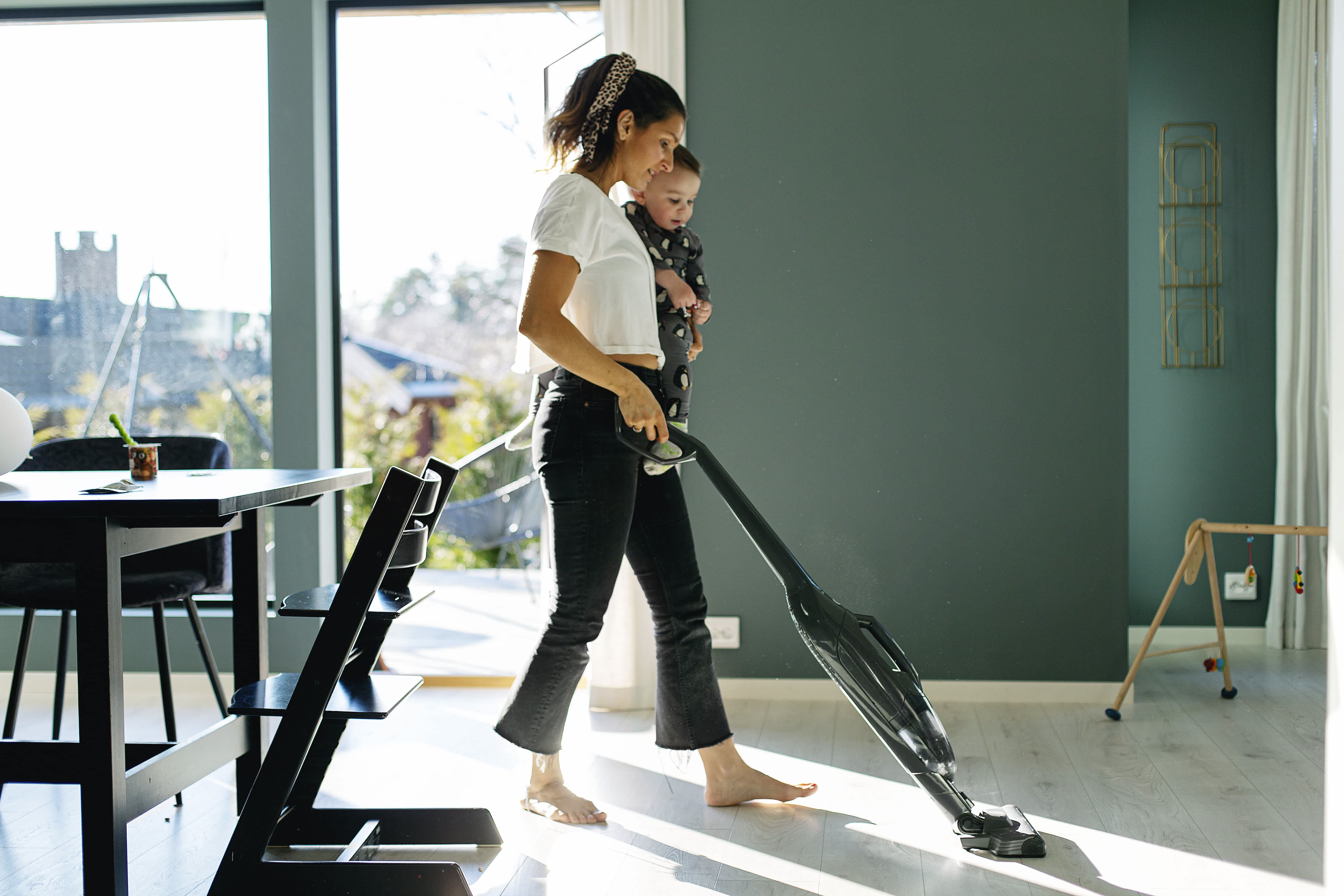
Ready for spring cleaning? Use our Ultimate Spring Cleaning Checklist to make sure you don’t miss a spot. Free printable checklist included to check off as you go!

Cleaning your house can be a feat, but these house cleaning tips can help you make the most of your cleaning without taking up all of your time.