







Top-rated fire pit installation pros.

Get matched with top fire pit installation pros in Belmont, CA

Enter your zip and get matched with up to 5 pros

Need a pro for your fire pit installation project in Belmont, CA?

Select your specific project to find the pro for you.

TRUSTED BY BELMONT, CA HOMEOWNERS

  • Average homeowner rating star icon4.4
    Average homeowner rating
  • Verified reviews icon469
    Verified fire pit installation services reviews

Find Fire pit installation pros in Belmont

No results for Fire pit installation pro in

Try adjusting your search criteria.
Fire Pit Installation questions, answered by experts

Chimneys should either be sealed or waterproofed, which is different from sealing off—closing at both ends—a chimney. Waterproofing and sealing are both crucial steps to take to prevent water damage and the chimney leaking inside the house. While waterproofing is more comprehensive, both help safeguard your chimney, extending its life span and preventing expensive repairs. 

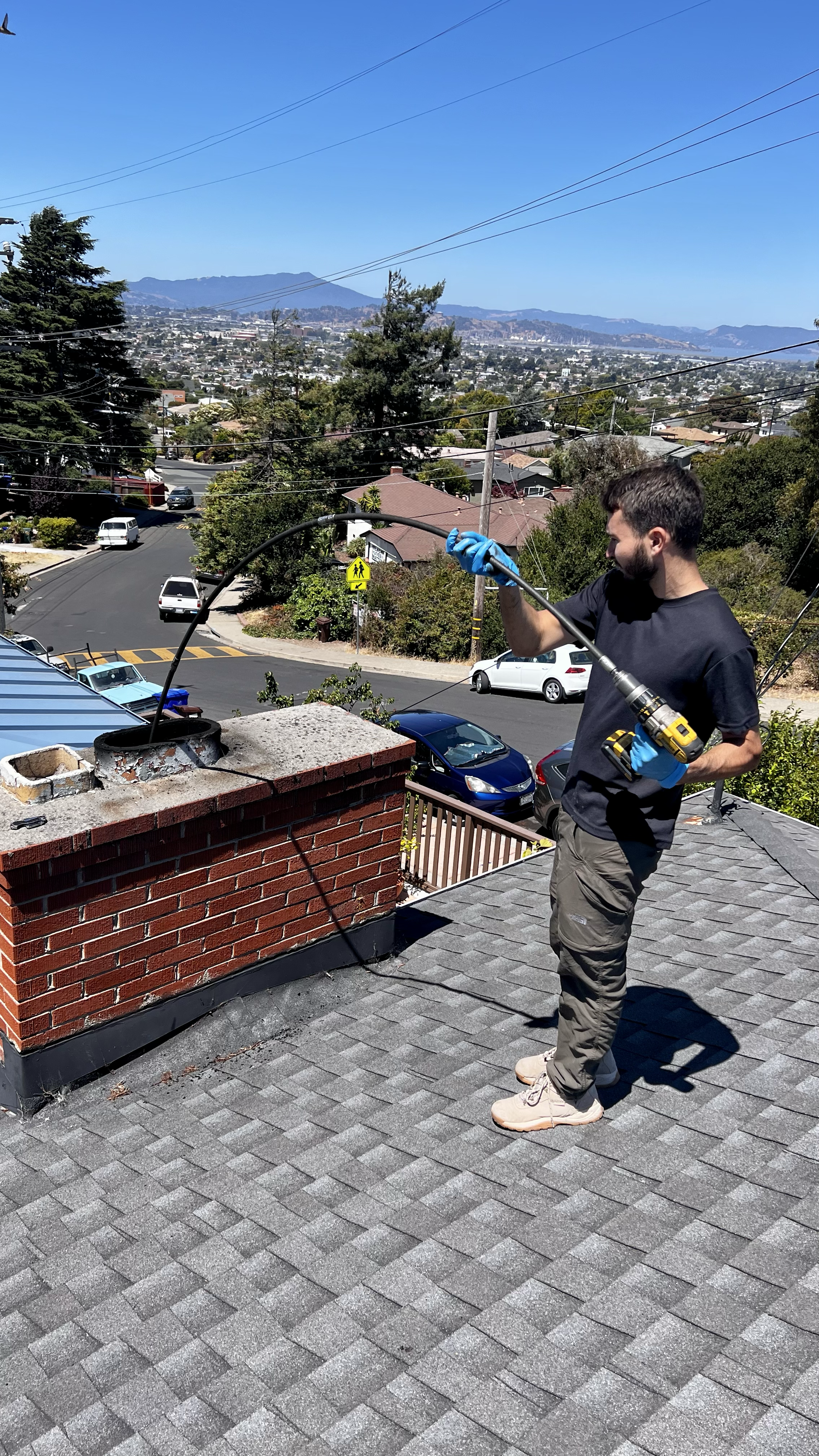
Beyond having an inspection, it’s important to do chimney maintenance at least annually to be certain the chimney is safe to use. Cleaning the flue of any built-up particles, creosote, and soot reduces the risk of fire. Fortunately, the cost of hiring a pro to do a chimney inspection often includes a chimney cleaning, so you may not have an extra expense for maintenance.

Baking soda is an effective fire reduction method. However, flour and baking powder are very dangerous around flames. Flour is flammable and it can also conduct electricity. The combination can cause serious injury from electrical shock and worsen the situation by adding fuel to the fire. Baking powder is also not an option as it's also highly flammable. 

Having a pellet stove can indeed raise your insurance rates since they're a relatively common cause of fires in the home. However, rate increases vary by insurance provider so you should reach out to yours to determine exactly how much your rates might increase with a new pellet stove install.

Generally, an oil furnace is considered safer than a gas furnace for several reasons. While both types of furnaces can produce carbon monoxide, a leak in an oil furnace is easier to detect due to the smell. Oil furnaces also don't connect to a gas pipeline, which reduces the chance of a fuel leak. Most importantly, heating oil is not combustible, whereas natural gas is highly flammable. This means there is a much lower risk of combustion or explosion with an oil furnace. However, an oil furnace can still pose a fire hazard if it tips over.

The Belmont, CA homeowners’ guide to fire pit installation services

From average costs to expert advice, get all the answers you need to get your job done.