

Top-rated aquarium service pros.

Best aquarium service pros near Arvin, CA

Enter your zip and get matched with up to 5 pros

Need a pro for your aquarium service project in Arvin, CA?

Select your specific project to find the pro for you.

TRUSTED BY ARVIN, CA HOMEOWNERS

  • Average homeowner rating star icon4.6
    Average homeowner rating
  • Verified reviews icon172
    Verified aquarium services reviews

Top-Rated Aquarium service pros in Arvin - Updated Nov 2026

Avatar for ELLIOTT'S SPRINKLER & LANDSCAPE
ELLIOTT'S SPRINKLER & LANDSCAPE
4.5(
66
)
Water Feature - Install a Pond

Serving Arvin, CA and surrounding areas

In business since 1976

Free estimates

Credit card accepted

"I am new to this house and not familiar with the irrigation system which was allowing a lot of water to run into the street. Also there was a constant puddle in one area. Mike Elliott came promptly after my call. He recommended replacing the heads to more water conservative models and his crew came out on the same day. Heads were replaced, a faulty valve was repaired and the system was programmed to operate under the new city rules on watering. The whole job took about 2 hours. The crew cleaned up the yard areas where they worked. This company was efficient and pleasant.
"
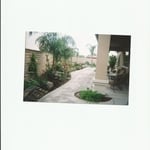
Additional Photos
Additional Photos
Additional Photos
Additional Photos
Additional Photos

+3

Recommended by92%of homeowners

Aquarium Services FAQs, answered by experts

The price you’ll pay for service from a septic tank company will depend on the specific service you need. Here are some common services, along with average pricing:

  • Anaerobic septic system installation: $3,000–$8,000

  • Aerobic septic system installation: $10,000–$20,000

  • Septic tank pumping: $250–$550

  • Percolation test: $700–$2,000

  • Leach field installation: $2,000–$10,000

These numbers vary based on your septic system size, property layout, and more, so the best way to get an accurate estimate is to contact a septic tank professional for a custom quote.

A two-way cleanout can help if there’s already a clog, but the best strategy to prevent one is by not rinsing grease, oil, or fat down your drains, not flushing or rinsing coffee grounds or egg shells down your drains, flushing only human waste and toilet paper (so no diapers, period products, bathroom wipes, or paper towels), and using drain guards on all of your drains.

You could be smelling sewer gas in your kitchen because of a dry P-trap, clogged vent pipe, or leaking plumbing seals. If you smell a rotten egg odor, check your sink’s P-trap and plumbing connections first. A clogged or damaged vent pipe can trap sewer gas and push it back into your kitchen through the plumbing pipes. Loose or deteriorated seals around drainpipes can also allow sewer gas to leak out. If you can’t find the source, call a local plumber for expert help.

Using less toilet paper is the easiest way to prevent future clogs. Also, avoid flushing sanitary products, thick paper towels, or hair down the toilet. If you’ve been using a brick in the tank to reduce the water used to flush the toilet, take it out immediately. Bricks will eventually fall apart and clog your toilet drain. Keeping your toilet lid closed also helps avoid future clogs.

A septic system's lifespan typically ranges from 15 to 40 years, with a common average of 20 to 30 years. The longevity heavily depends on the tank's material, maintenance diligence, and usage habits. With proper care, lifespans can reach the upper end of this range.

Lifespan by Tank Material:

  • Concrete: 20 to 40 years

  • Plastic or Fiberglass: 30 to 40 years

  • Steel: 15 to 20 years

To maximize your system's lifespan, follow these maintenance best practices:

  • Regular Pumping and Inspections: Have the tank pumped every three to five years and schedule professional inspections regularly.

  • Mindful Usage: Only flush human waste and toilet paper. Avoid putting items like cat litter, paper towels, cigarette butts, fats, grease, oils, or coffee grounds down your drains.

  • Avoid Chemicals: Do not pour harsh chemicals into the system.

  • Water Conservation: Reduce the amount of wastewater your system has to process.

  • Protect the Drain Field: Avoid driving or building heavy structures over the drain field area.

The Arvin, CA homeowners’ guide to aquarium services

From average costs to expert advice, get all the answers you need to get your job done.