



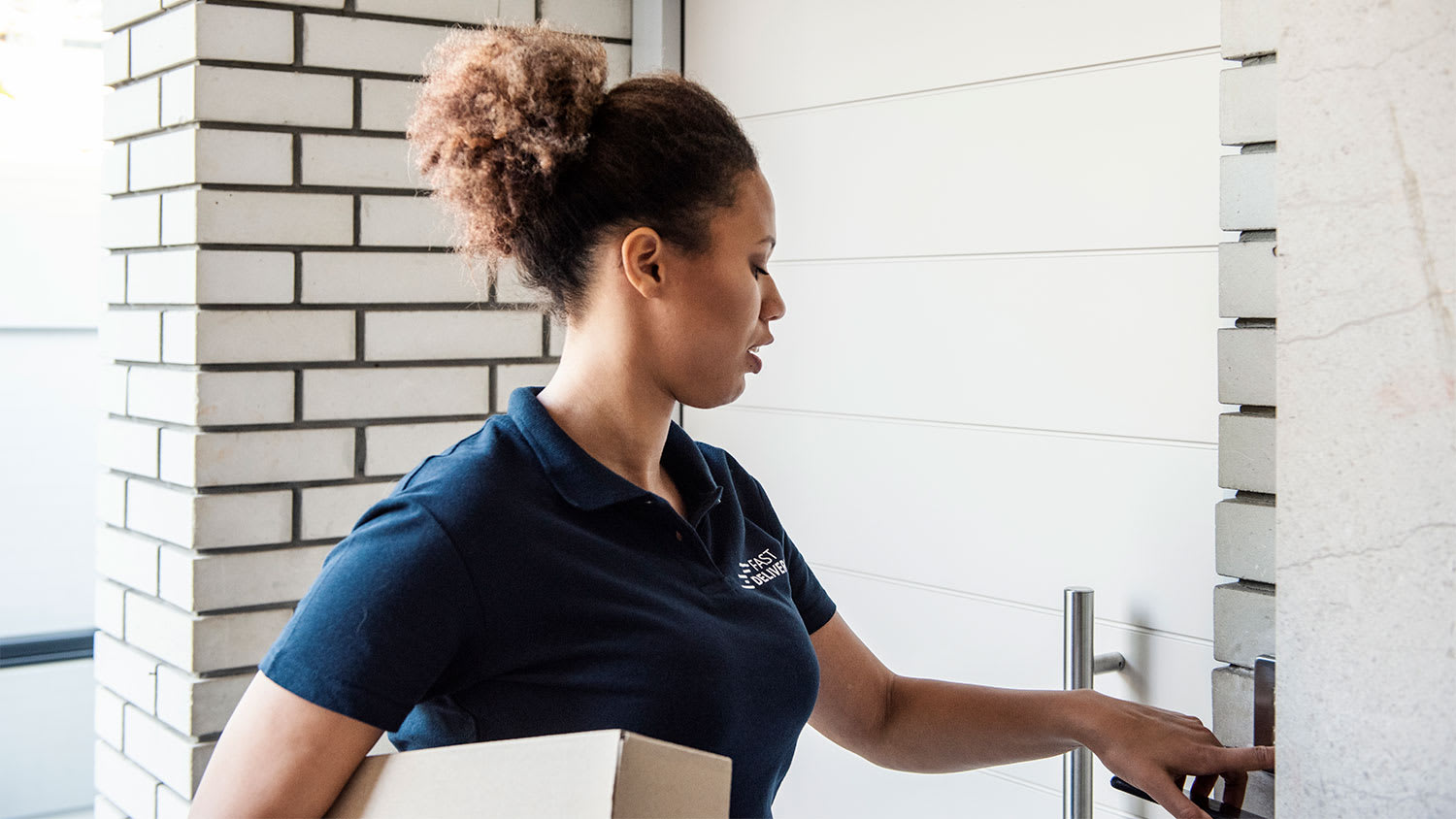
Doorbell Installation questions, answered by experts
While insulation is required for all exterior walls in a house, it is not typically required for interior walls. Local and state building codes mandate that new construction homes have adequate insulation in exterior walls and ceilings to suit the local climate.
However, there are several benefits to adding insulation to interior walls. It is excellent for sound-dampening between rooms and can help with temperature control by maintaining a regulated temperature in specific rooms and lowering heat transfer between adjacent areas. Insulating interior walls can also contribute to the overall energy efficiency of your home.
The most insulative type of insulation for behind drywall is spray foam insulation, but this is the most expensive insulation available. The most common insulation—sometimes considered the best for the value you get for the money—is fiberglass roll or fiberglass batt insulation, which is significantly more affordable but also far less insulative. The best kind of insulation for your house will also vary based on the climate in your area, your budget, and more. A professional insulation company can help you decide which type is best for your home.
Blown-in insulation works, but only for unfinished attics. Also, it isn’t the longest-lasting nor the most effective option. For better options, look into spray foam insulation or natural fiber batts. They typically have a longer lifespan, better heat resistance, and stronger sound-proof abilities. Spray foam insulation costs about $1.25 to $1.50 per square foot, but can go up to more than $4 per square foot. Fiber batt pricing varies depending on the material.
Doubling the insulation in your home also doubles the R-value of said insulation. In other words, by adding more insulation, you can reduce the heat loss by half. Most homes benefit from increasing insulation. Older homes, in particular tend to have less insulation as is, so doubling your insulation could drastically reduce your energy bills, keep your home more comfortable, and take the strain off your HVAC system.
When it comes to fiberglass insulation versus foam board, there are a few notable differences, both aesthetically and functionally. Fiberglass insulation is soft and flexible, meaning it can be squeezed into tight spaces more easily than foam board. Fiberglass insulation also has a higher R-value, making it a better pick for colder climates. However, foam board insulation can resist moisture and pest damage much better than fiberglass.
The Willcox, AZ homeowners’ guide to doorbell installation services
From average costs to expert advice, get all the answers you need to get your job done.
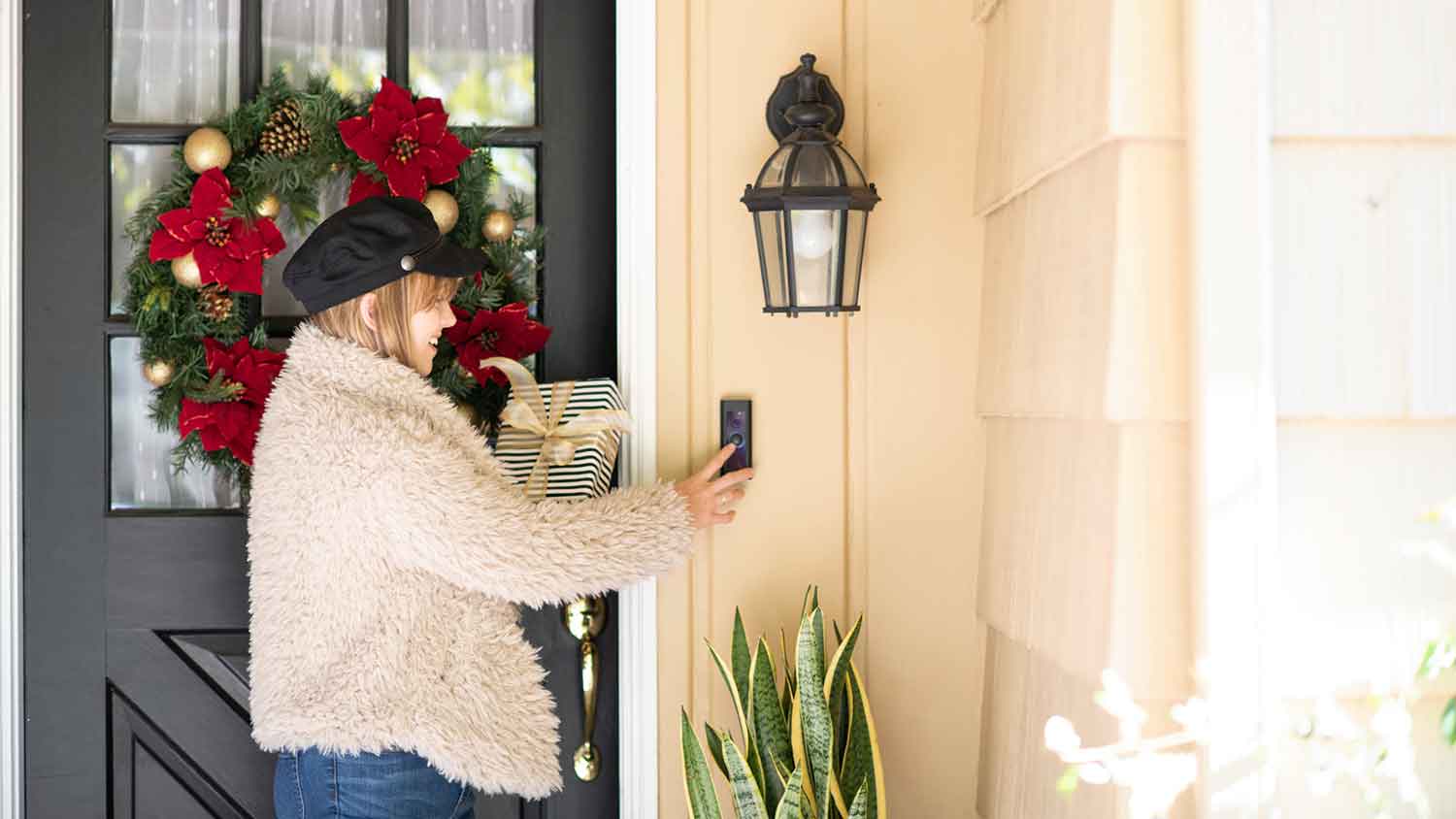
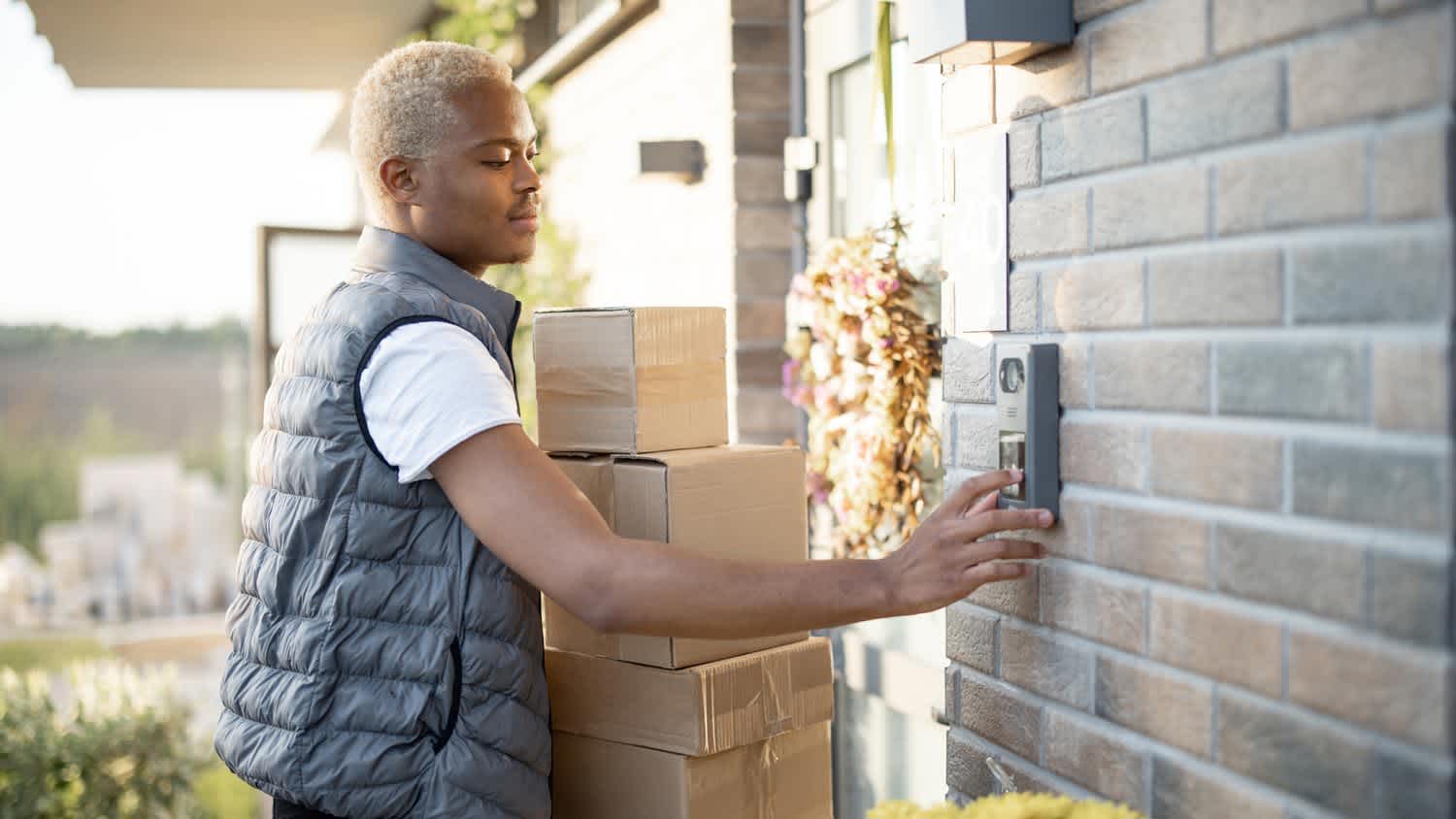
Ring a bell? From replacing a wired doorbell to setting up a smart home system, learn about typical doorbell installation costs, including materials and labor.
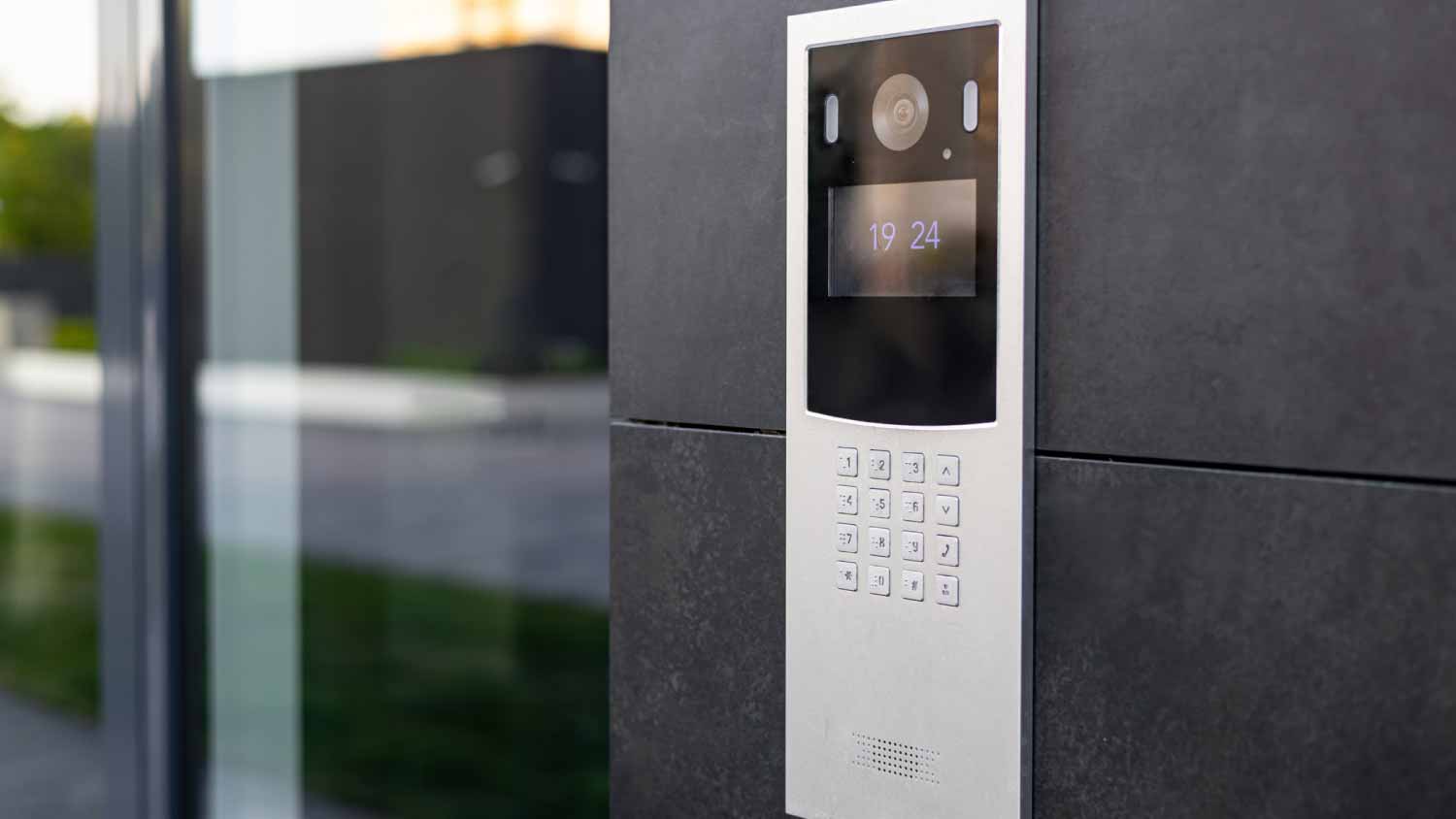
How much does it cost to install a doorbell camera? It depends on whether you plan to DIY or hire a pro. Learn about different models and their power sources, too.
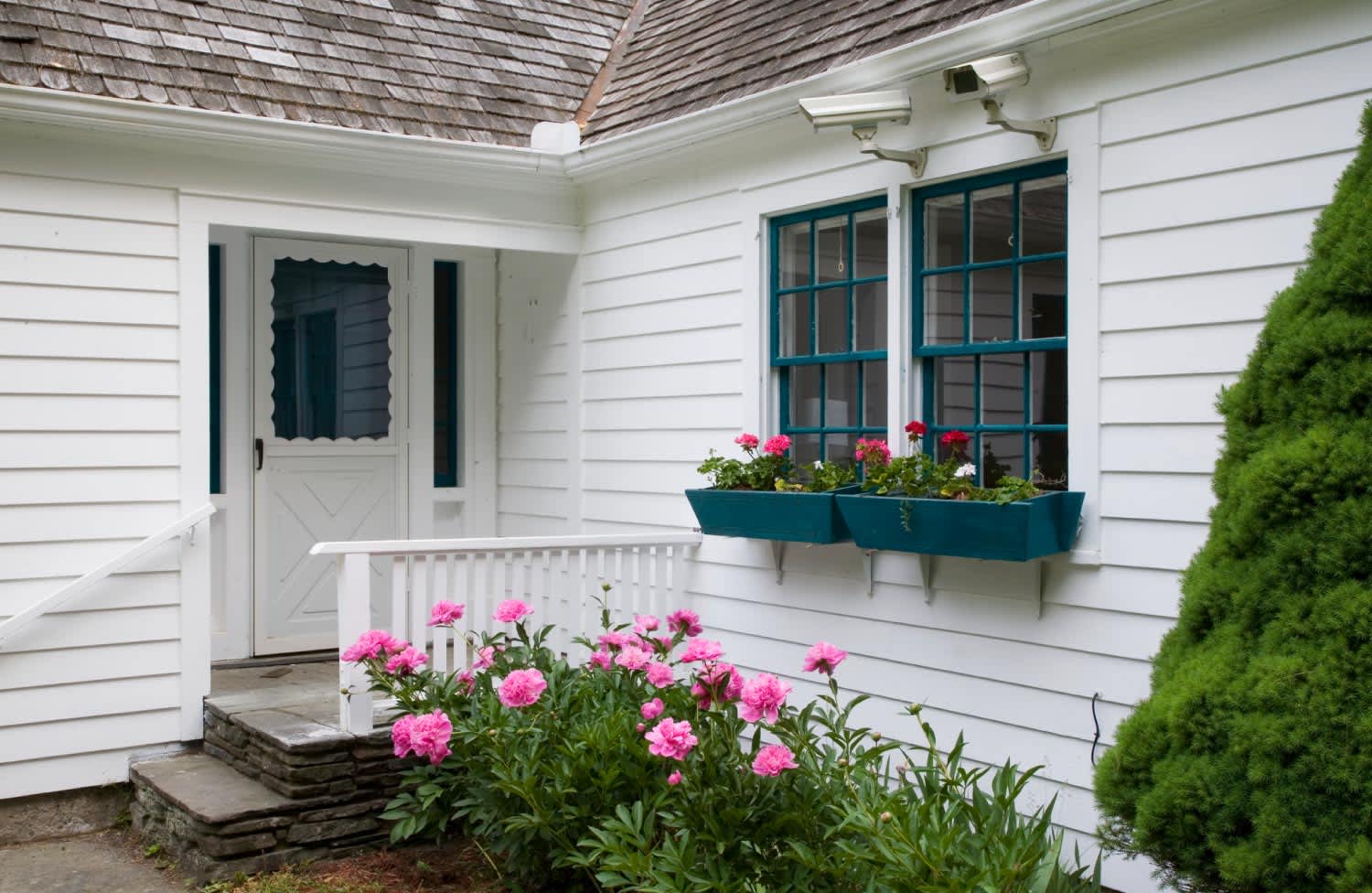
Doorbell wiring is a project you can DIY. This guide covers everything you need to know, from different types of doorbells to wiring, and how to remove an old doorbell.
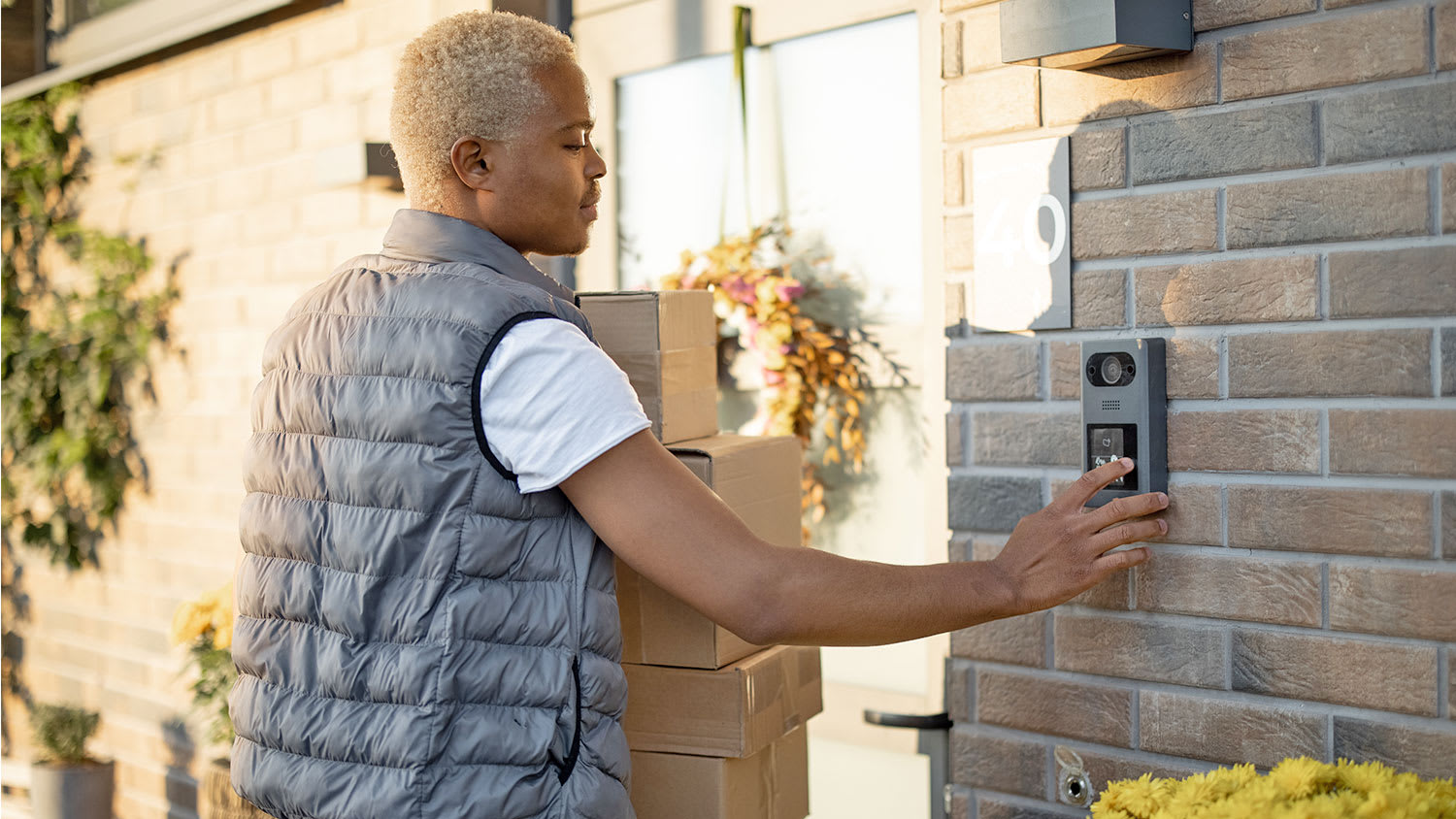
Learn how to install a doorbell camera—whether it’s wired or wireless—with this guide. Know the steps so you can decide whether to DIY the job or hire a pro.