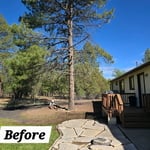
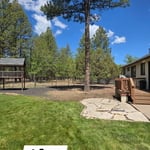
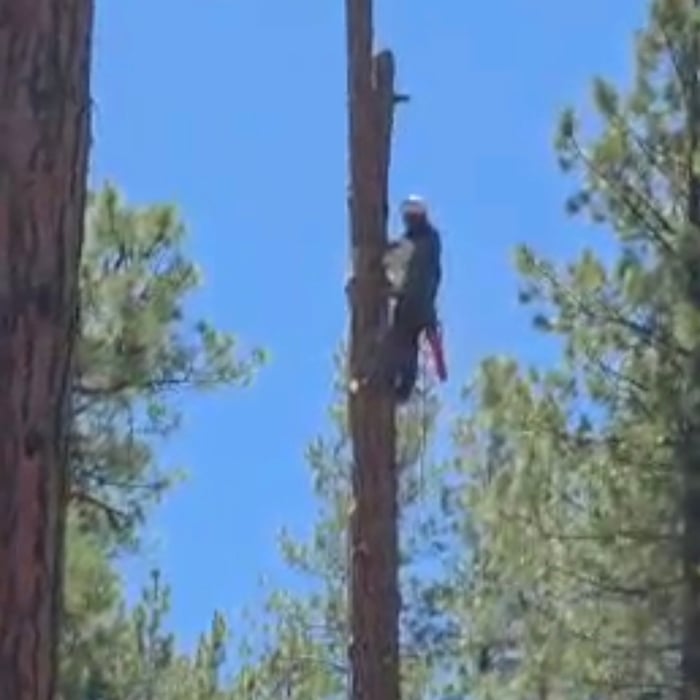
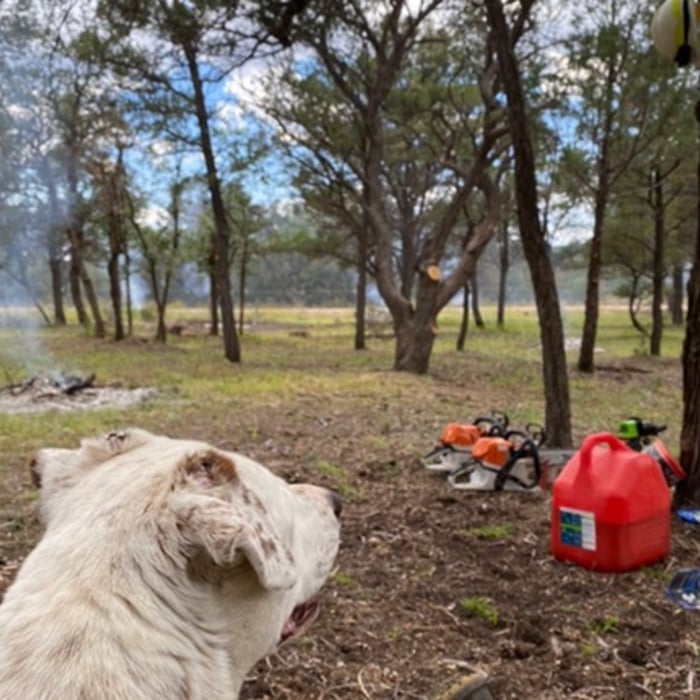
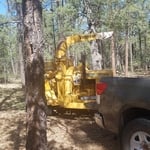
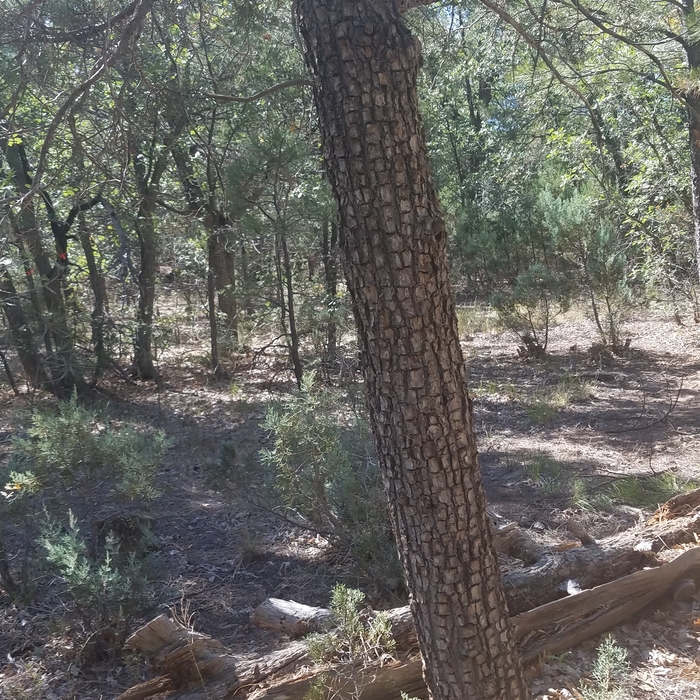
"I needed 2 dead pine trees taken down on my property. Craig was quick to respond to my requests. They came the next morning, gave me a very fair quote, and had the trees down in 2 hours. These were some of the biggest trees.... leaning the wrong way, close to the fence......they assured me it would be done correctly. They dropped those trees exactly where they said. I was so thankful it was done and don't have to worry about them falling anymore. These men are true professionals. They know their job. Highly recommended."
"Really enjoyed working with Steve he was able to meet my time frame and did an excellent job.from cutting the trees to clean up.. definitely would recommend him. And his price is fair for the job I had. I will call him in the future if I need more trees taken down"
"They did an amazing job cleaning up our yard. Very affordable, great communication, and professional. I would definitely recommend them and I will use their services again!"
"They came by 1st day and did the basic trimming of the trees and smaller things. Next day came and had 4 trees removed in no time while it was snowing and cleaned up. Nice and did what they said they'd do."
We are committed to excellence in every aspect of our business. We uphold a standard of integrity bound by fairness, honesty, and personal responsibility. Our distinction is the quality of service we bring to our customers. Accurate knowledge of our trade combined with ability is what makes us true professionals. Above all, we are watchful of our customers' interests and make their concerns the basis of our business.
\n
In the short term, you’ll have a lot of fallen trees to deal with. Tree removal services costs typically start at $200 per tree and increase based on species and size. Then, you’ll have to deal with the loss of trees: That means a loss of shade and a greater risk of rain runoff and erosion. Also, you’ll miss out on the health and aesthetic benefits of having trees on your property, which could even affect the resale value of your home.
That being said, cutting down a tree it’s not always a bad idea. Trees growing too close to rooftops can present fire hazards or debris problems. You may need to remove diseased or dying trees to prevent future issues.
Once you confirm a tree is dead, you should remove it. Dead trees eventually fall, and larger trees in particular can cause damage to rooftops, fencing, flowers, and other objects. As we mentioned, letting decayed wood stay in your yard also invites risks to the surrounding landscaping and vegetation.
Generally, avoid trimming trees in the summer (with the exception of pruning fruit trees as needed). Trees use a lot of energy in the summer, most of which is relegated to new growth. If you chop it too early, you could stunt the next season's growth. Again, when in doubt, do some research based on the specific tree type.
A chainsaw is the best tool to cut down a tree, but you may also use a handsaw or ax. You may also want to use a lopper or pole saw to remove limbs before cutting down the tree. Wear chainsaw chaps and protective gear, including eyewear and earplugs if you use a chainsaw. Again, if you’re unsure about how to use this tool, this project may be one to skip.
Any cutting of tree roots can hurt or kill a tree, which is why it's recommended you don’t do it unless the roots are damaging or invasive on a nearby structure like your home. You should never cut more than 15 percent of above-ground tree roots at one time. If you have any questions about cutting tree roots, contact your local arborist.
The Whiteriver, AZ homeowners’ guide to arboricultural services
From average costs to expert advice, get all the answers you need to get your job done.
How much does an arborist cost? This guide explains the cost of different services, ongoing expenses, and other factors to consider when hiring an arborist.
Tree inspections can ensure your trees stay healthy and safe, preventing costly damage. Learn how much tree inspections cost and what can affect the price.
Arborists are specialized tree care experts. This guide will help you hire an arborist with all the qualifications to give your trees the best care possible.