
Top-rated radon detection and reduction specialists.

Get matched with top radon detection and reduction specialists in Sells, AZ

Enter your zip and get matched with up to 5 pros

Need a pro for your radon detection and reduction project in Sells, AZ?

Select your specific project to find the pro for you.

Find Radon detection and reduction specialists in Sells

Avatar for California Restoration Of Tuscon
California Restoration Of Tuscon
4.9(
12
)

Serving Sells, AZ and surrounding areas

In business since 2020

Free estimates

Emergency services offered

"I had water damage at my home early this year. I called California Restoration for an estimate and service. The majority of the work was completed satisfactorily, however there were some tasks that took longer than expected. Overall they did a decent job."
Recommended by100%of homeowners
Radon Detection and Reduction questions, answered by experts

No level of radon is technically safe, but since it is present everywhere, complete avoidance is impossible. The average radon level in homes across the United States is 1.3 picocuries per liter (pCi/L). The Environmental Protection Agency (EPA) recommends taking preventative measures if your home's radon levels are between 2 and 4 pCi/L or higher.

The natural breakdown of uranium in soil, rock, and water can cause radon to appear in a home. The gas seeps into homes through cracks in foundations, walls, or floors, as well as through gaps around pipes or construction joints. Radon levels are influenced by soil composition, building materials, and ventilation. Poorly sealed or airtight homes can trap radon, allowing it to accumulate.

Radon enters your home when warm air begins to rise and exits through the roof, creating a vacuum that pulls cooler air from under the foundation. Part of that air is radon, which is an invisible, odorless gas that develops naturally when radioactive particles are deep within the ground. Those particles usually come from decaying matter in soil and rocks.

Ideally, no one will live in a house with elevated radon levels, as prolonged exposure increases the risk of serious health issues like lung cancer. However, homes with radon can be made safe through mitigation systems, such as active soil depressurization. Testing for radon regularly and addressing high levels helps ensure a safe living environment.

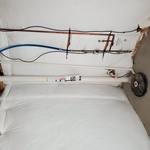
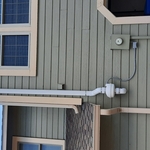
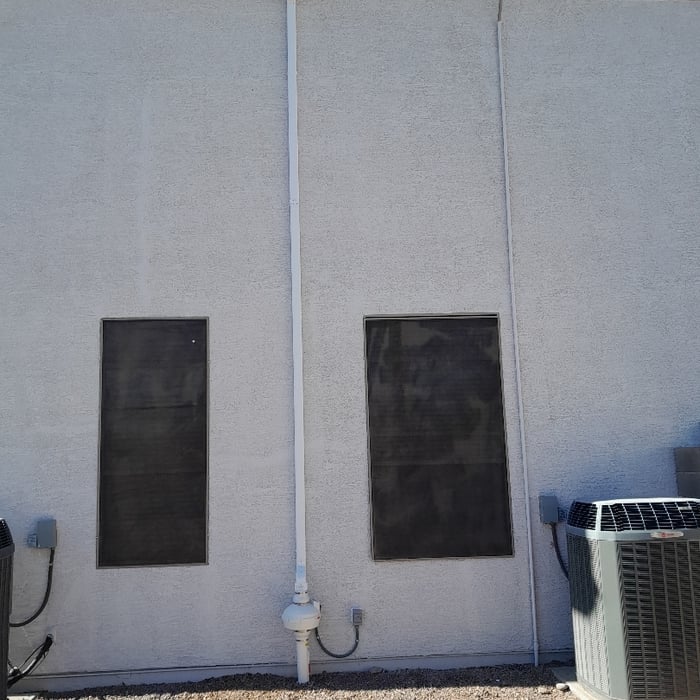
Your radon fan needs to operate 24/7 to be effective. The only time the fan isn't operating is during its replacement. Radon levels in the home can increase within hours if the fan stops working or something obstructs the stack vent. Fortunately, radon systems require no downtime maintenance between fan changes.

The Sells, AZ homeowners’ guide to radon detection and reduction services

From average costs to expert advice, get all the answers you need to get your job done.

What do you need done? We’ll find top pros.
  • 🌱 "Mow a small front yard"
  • 🛠 "Fix a leaking pipe under the sink"
  • 🏠 "Repair shingles on an asphalt roof"