"It's a pretty decent system, I think. They send you the pieces and you install them yourself, which is pretty easy. The only real problem I have is that one sensor is too far away from the panel...or there's some interference, and they haven't been able to fix that. It's an interior door, so it's not the end of the world, just a little annoying. Their customer service is pretty good though. Nice, smart customer service people on the other end, very polite and helpful."
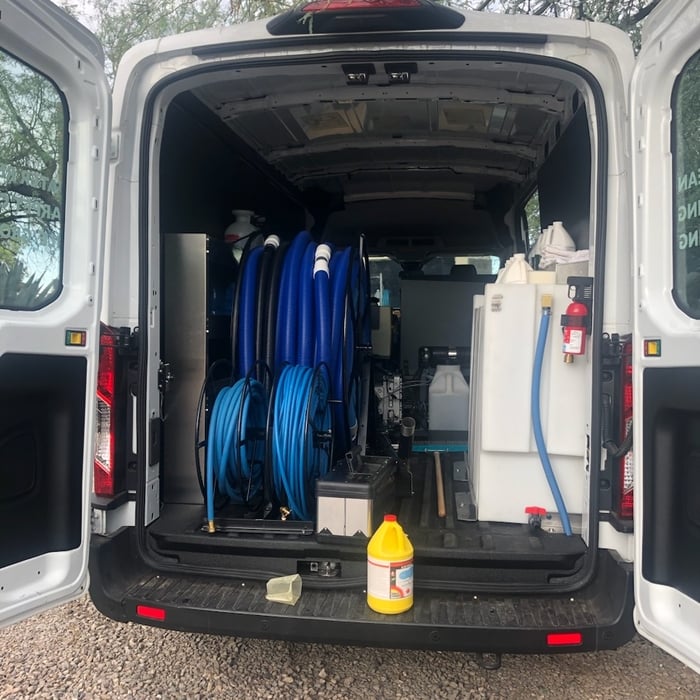
"Juan & Art cleaned our bedroom carpets. They were professional & personable. They wanted to make sure I was satisfied with their work. They arrived late, but called right away to let me know. Very satisfied."
The height of the chimney for your outdoor fireplace depends on where the fireplace is located. Ideally, the chimney should be 2 to 3 feet higher than surrounding structures; this allows smoke to ventilate properly without endangering anyone or anything.
Note: Your municipality may have strict requirements regarding chimney heights, so it’s always a good idea to check local building codes.
Replacing older chimneys or fireplaces, like wood-burning stoves, with something more eco-friendly can actually increase the value of your home. Some homeowners opt to remove chimneys as they pursue LEED certification, which may also increase the value of your home. But in general, many potential buyers actually look for operational fireplaces in homes, so removing a chimney and fireplace could decrease your home’s value by up to $5,000.
The time it takes for creosote to build up in a chimney can vary depending on how often you use your fireplace and the wood you burn. Creosote can start accumulating after just a few fires, especially if you burn unseasoned wood or allow fires to smolder. Regularly using the fireplace without proper maintenance can lead to significant creosote buildup within a few months. To prevent hazardous buildup, have your chimney inspected and cleaned at least once a year.
Knowing who to hire to install your fireplace is important when it comes to having a safe place to burn a fire in your home. The best person to contact for installing fireplaces is a mason or general contractor who has a National Fireplace Institute (NFI) specialist certification. If you’re installing wood paneling, then it’s a good idea to also find a pro who is Wood Energy Technology Transfer (WETT)-certified.
Both of these certifications show that your pro is well-equipped to install fireplaces and inspect your home for the utmost safety.
Yes, if your gas fireplace has a flue, you typically need to open it when using the fireplace. Although gas fireplaces don’t produce the type of smoke and soot that wood-burning ones do, they still release combustion gasses like carbon monoxide. Opening the flue ensures these gasses safely exit your home through the chimney. Not all gas fireplaces need a chimney, however. Always check the manufacturer’s instructions for your specific gas fireplace model, as some newer models may have different ventilation requirements.
The Sanders, AZ homeowners’ guide to fireplace services
From average costs to expert advice, get all the answers you need to get your job done.
The average fireplace installation cost is $2,438, but prices vary depending on the type and size of the fireplace. Calculate your costs with our guide.
Did you know fireplaces are a profitable home feature? From cozy indoor retreats to trendy outdoor designs, these fireplace ideas are sure to inspire you.
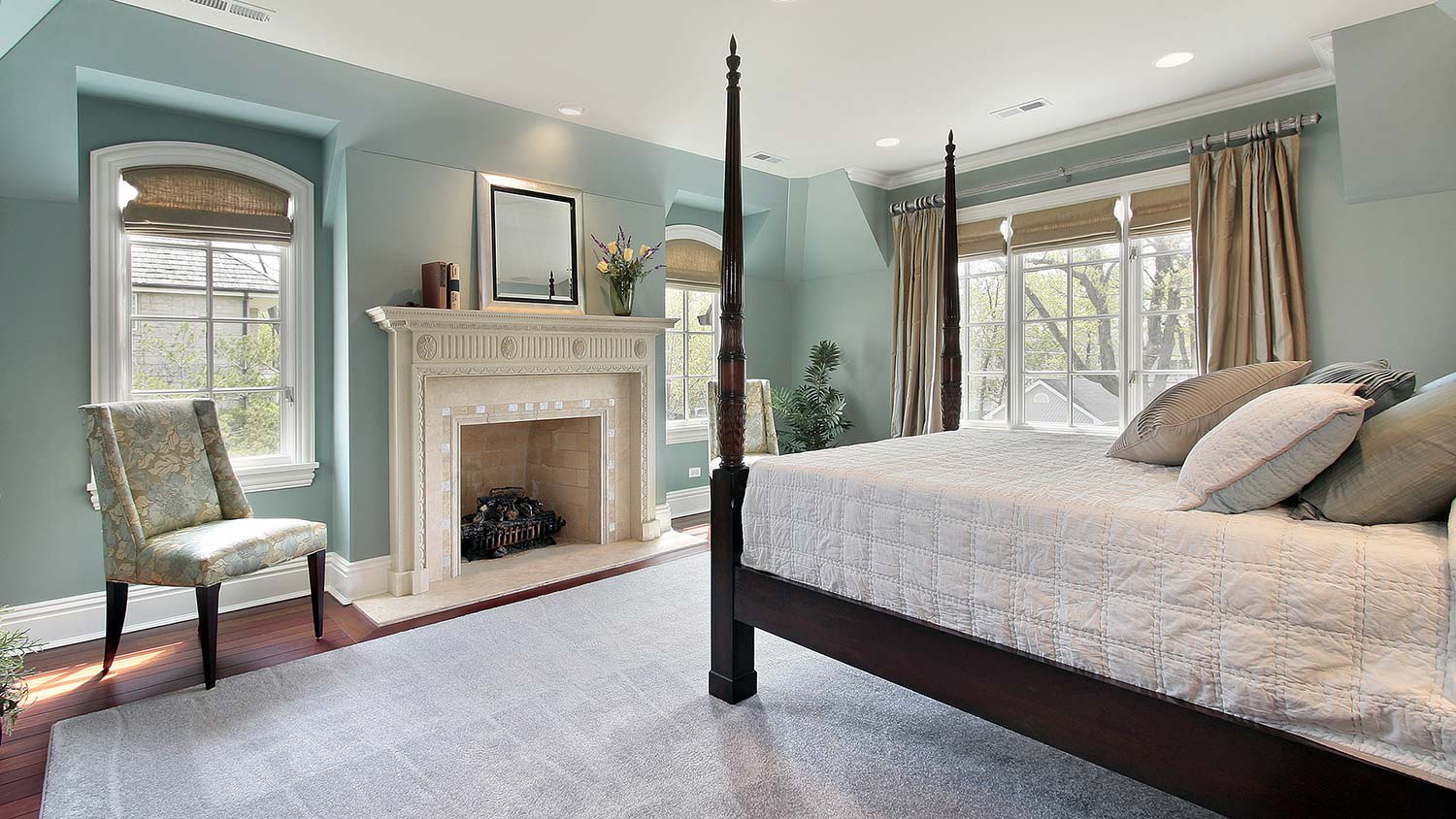
With a few easy decorating tips, you can make your bedroom fireplace the stylish focal point of your room. Up the cozy aesthetic of your bedroom with these 12 ideas.