





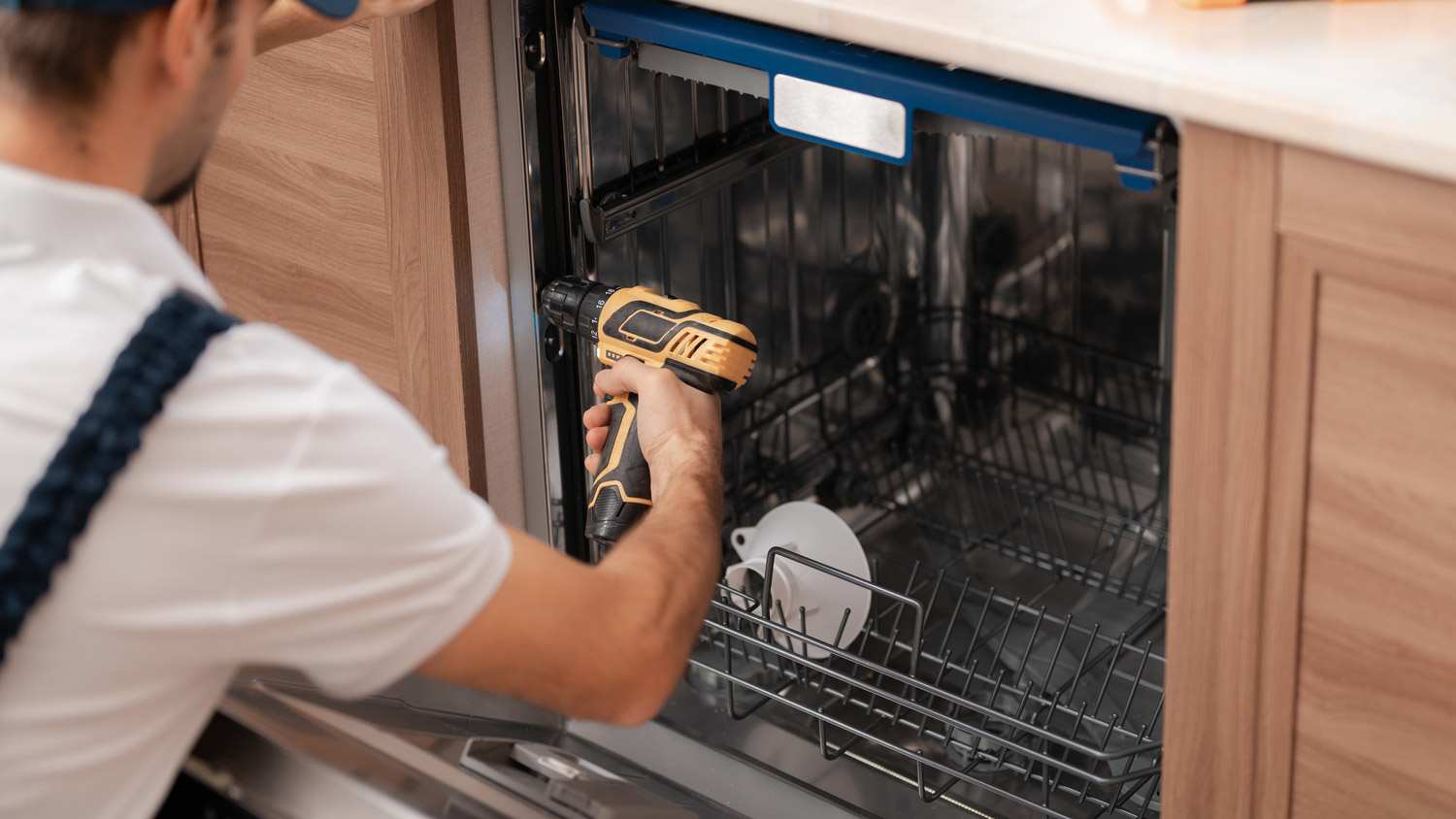
Top-rated dishwasher installation pros.

Get matched with top dishwasher installation pros in Phoenix, AZ

Enter your zip and get matched with up to 5 pros

Need a pro for your dishwasher installation project in Phoenix, AZ?

Select your specific project to find the pro for you.

TRUSTED BY PHOENIX, AZ HOMEOWNERS

  • Average homeowner rating star icon4.4
    Average homeowner rating
  • Verified reviews icon147
    Verified dishwasher installation services reviews

Find Dishwasher installation pros in Phoenix

No results for Dishwasher installation pro in

Try adjusting your search criteria.
Dishwasher Installation questions, answered by experts

Several signs can tip you off to a clogged dishwasher drain. At first, you may notice that it’s taking longer than usual for the dishwasher to drain, or you may hear gurgling sounds during the draining part of the cycle. You might also notice water backing up into your sink or excess food at the bottom of the dishwasher after a load. The most obvious sign, though, is seeing standing water at the bottom of your dishwasher after the cycle has finished.

If the dishwasher is in working condition, start and run a complete cycle with nothing inside. Let it drain and sit overnight before removing the hoses. In theory, it should effectively drain. You may find residual water in the hoses, but you can plug them. If the dishwasher breaks down midcycle it can sometimes be full of water. You’ll need to manually remove the water with a plastic cup before removing the dishwasher.

If your dishwasher keeps filling with water at the bottom but doesn’t fill into the sink, the issue is likely due to a blockage within the dishwasher or drain. Regularly clean your dishwasher filter basket to ensure it’s not clogged with food, and run a vinegar rinse periodically if you have hard water to remove limescale buildup.

You should avoid using a pressure washer on any surface or item that could be damaged by the high-pressure spray, as some materials are too delicate to withstand the force.

Key items and surfaces to avoid include:

  • Electrical Components: Never pressure wash electrical systems, as water can cause short-circuits and create a safety hazard. This includes utility meters, breaker boxes, electrical outlets, generators, and HVAC or air conditioner units.

  • Delicate and Fragile Materials: Fragile items can crack, shatter, or be stripped by the pressure. Avoid pressure washing windows, glass, light fixtures, shingled roofs (especially asphalt), and stucco.

  • Painted, Stained, or Sealed Surfaces: Unless your goal is to strip the finish, do not pressure wash painted surfaces, stained wood (like decks), or anything with a protective seal that could be stripped away. Be especially cautious with older surfaces that may contain lead paint.

  • Soft Woods and Certain Decking: Delicate surfaces like softwood, composite decking, and antique or wooden patio furniture can be etched or damaged. If you must wash wood, use a lower-powered pressure washer with a wide-angle nozzle to prevent damage.

  • Living Things: Never use a pressure washer on people, pets, or plants. The force can cause serious injury and will destroy landscaping.

If your dishwasher isn’t draining, some common causes include a clogged drain filter, drain hose, or air gap. Also, if you have a garbage disposal, a clog in the disposal can back up your dishwasher since they share plumbing, as can a clog in your kitchen sink’s plumbing. A handy DIYer may be able to figure out how to unclog a dishwasher, but you may need to call in a plumber if you can’t locate and clear the clog yourself.

The Phoenix, AZ homeowners’ guide to dishwasher installation services

From average costs to expert advice, get all the answers you need to get your job done.