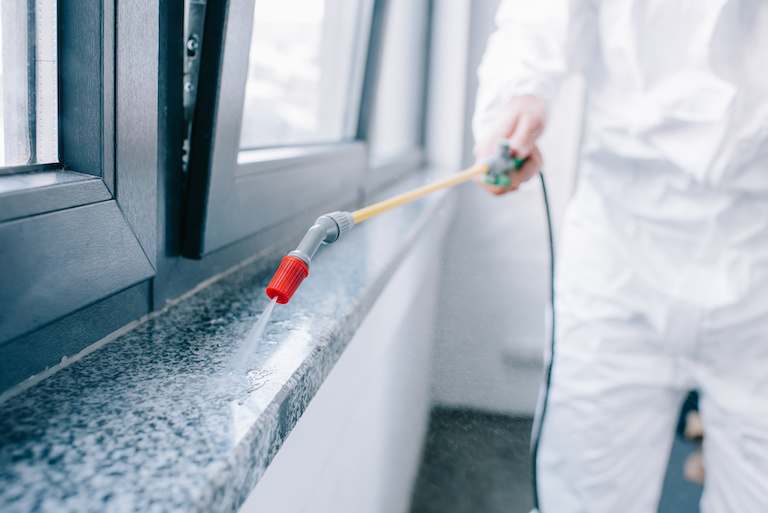
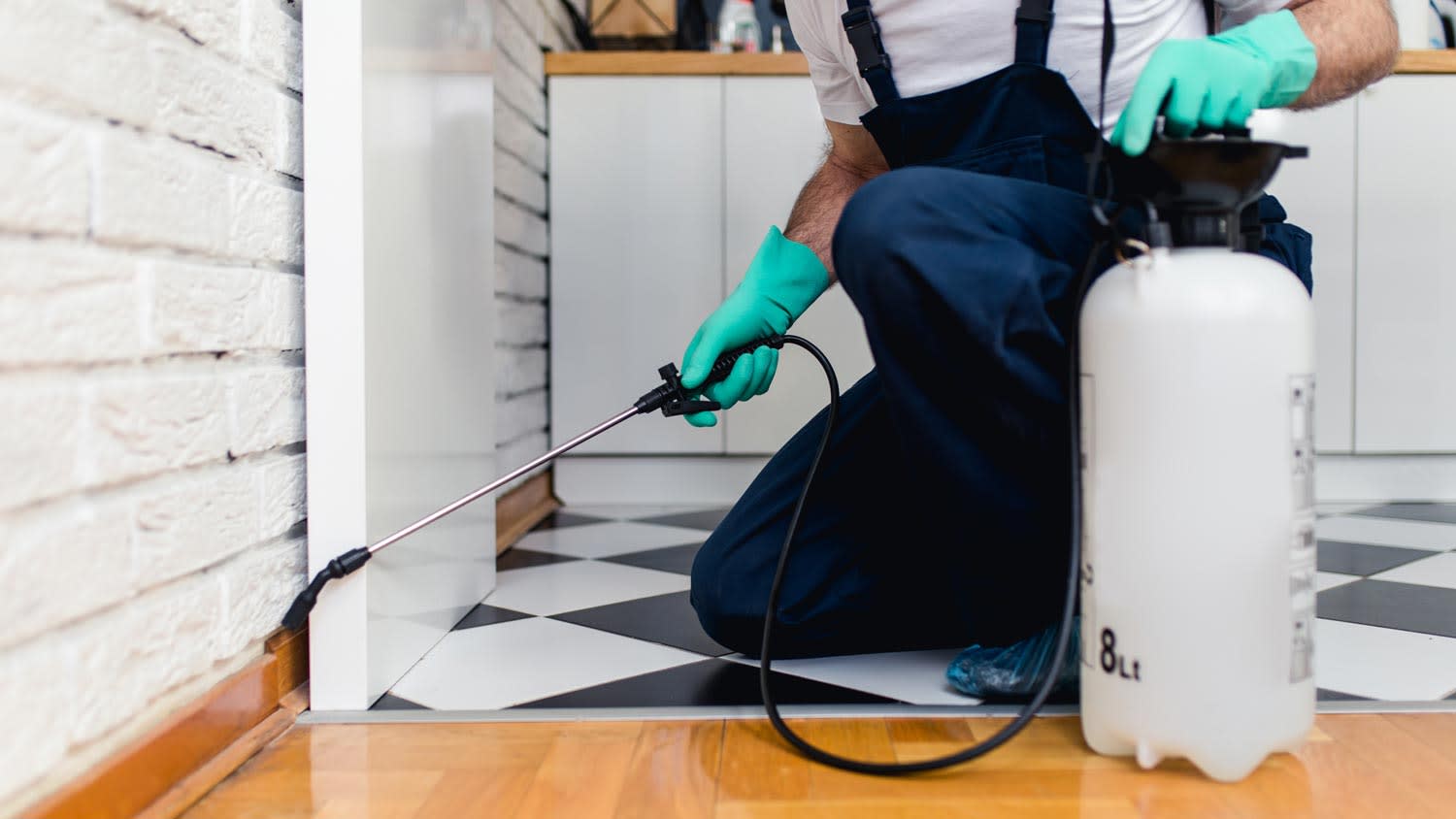
"Very knowledgeable guy who seem to know what he’s doing. Don’t know results of spraying. Have had much rain since. Will have to see if it worked. Terminex will spray again the beginning of next month."
"It's been one week, since we got the pest control for roaches done. The roaches have certainly decreased, but not completely wiped out. Still waiting for that to happen."
When it comes to protecting homes, Terminix has satisfied more customers than any other insect and pest control company in the industry, with more than 15 million service visits annually.
Clean your drains with either a bleach solution or a mixture of apple cider vinegar, baking soda, and boiling water. Repeat the process several times in one week to ensure you've killed the whole nest.
They can have a deterrent effect on birds to some extent. The reflective surfaces of these objects, such as aluminum foil strips, CDs, or reflective tape, create flashes of light and movement that can startle or confuse birds temporarily. However, some birds can become accustomed to these visual disturbances over time and might adapt their behavior accordingly. For a more sustained solution, combining shiny objects with other deterrent methods shared here is often beneficial for creating a more comprehensive and effective strategy for bird control.
If you’ve ruled out small cockroaches, some other bugs you might mistake for bed bugs are carpet beetles, bat bugs, and booklice. However, they’re usually found in different parts of the home. Carpet beetles are found in fabrics and carpets, bat bugs live in attics, and booklice dwell around books and damp areas.
If you spot a wasp nest on your property, call a professional exterminator as quickly as possible. The longer you wait to call a pro to remove the wasps, the more you risk a painful sting. The concern is elevated if you or any family members are allergic to wasps or bees—the sooner you remove the threat, the better.
Flea eggs can’t take heat, so use that information to your advantage. Take any affected clothes and linens and wash them on a hot setting (140℉ or higher) to kill them off. You can also rid carpets and furniture using heat. After vacuuming all surfaces thoroughly, use a steam mop or cleaner to get rid of the remaining flea eggs and residue.
Flea eggs also can’t handle extreme cold. You could seal affected linens and store them in a freezer.
The Peridot, AZ homeowners’ guide to pest control services
From average costs to expert advice, get all the answers you need to get your job done.