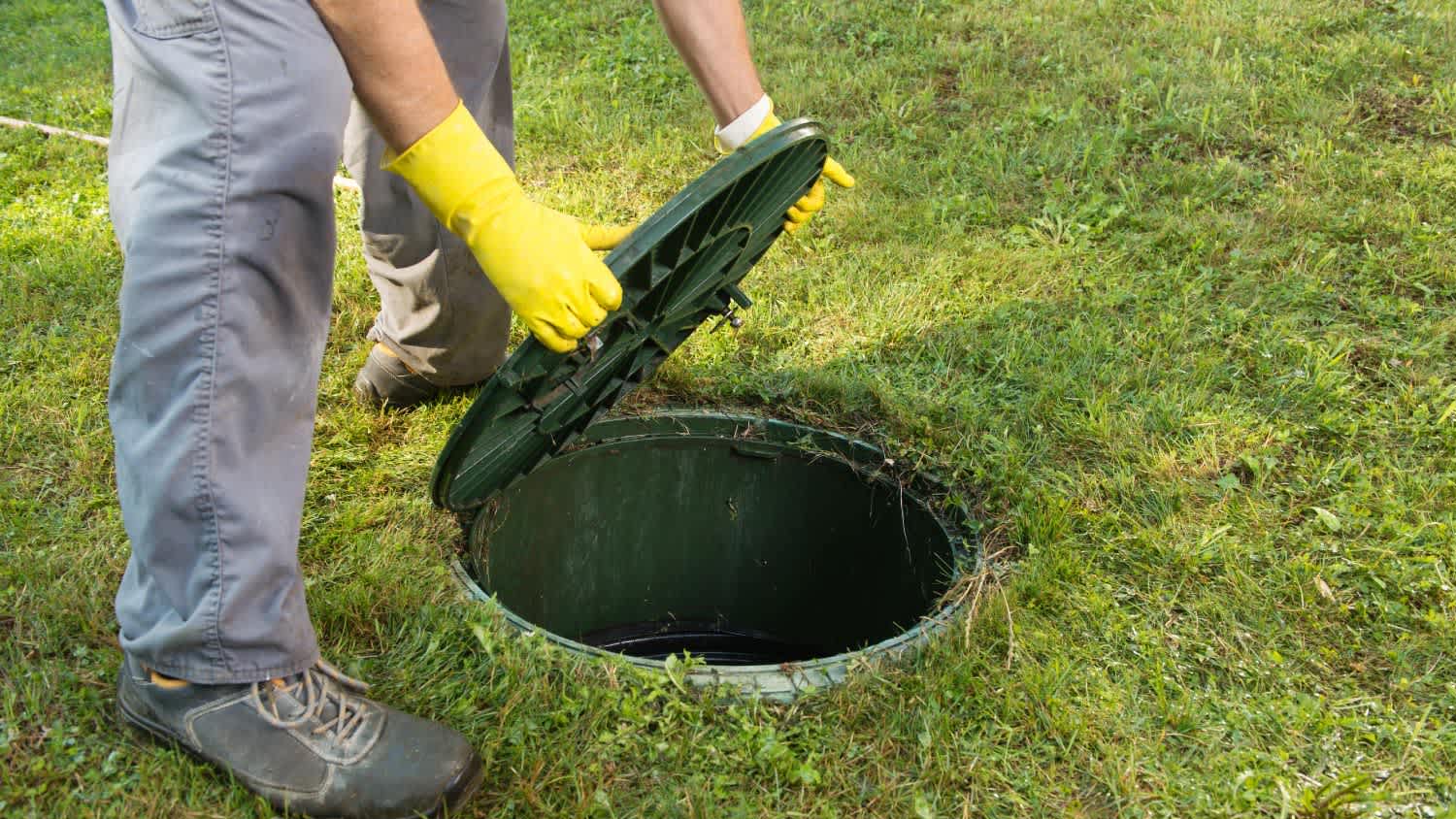
Common areas include insulation, flooring, ceilings, and siding in older buildings. Professionals identify potential risks.
Yes. Gutting a house to the studs may actually be a good option if you believe a home contains toxic materials like asbestos, mold, or lead paint. However, this must be done under the supervision of licensed remediation experts.
Depending on the size of your home, the inspection process could take a few hours or a few days. While inspecting your home, the asbestos specialist will take small sections of the potentially contaminated material. They will then send the sample to an accredited laboratory or the local health department for testing.
The cost of asbestos testing depends on your location, the home's size, and the testing area's complexity. Plan to spend between $230 and $800 for testing. During testing and while handling potential asbestos, the specialist may wear protective gear, including gloves, overalls, appropriate footwear, and respiratory equipment.
Asbestos has many beneficial properties, including fire resistance, strength, and chemical resistance. It is also an excellent insulator, which is why it was used in pipe insulation and other building materials for decades. For all its benefits, asbestos is dangerous for human health, which is why it was eventually banned from use in certain products.
Yes, even a single, one-time exposure to asbestos can be harmful and increase the risk of future illness, including certain diseases and cancers. The level of risk depends on several factors, such as the concentration and intensity of the exposure. A small, brief exposure is less likely to cause significant damage than an exposure to a high concentration of asbestos fibers.
The likelihood of developing severe health issues increases with repeated or prolonged exposure. Individual reactions to asbestos vary; some people may have multiple exposures without harm, while others are more susceptible. Asbestos-related illnesses may not manifest for 10 to 40 years after inhalation.
Due to these risks, it is crucial to take precautions. Personal protective equipment (PPE) may not offer complete protection, as fibers can get through small gaps. The EPA recommends hiring a professional for testing and removal if you suspect the presence of asbestos in your home. If you are concerned about a potential exposure, consult your doctor.
The Chilchinbito, AZ homeowners’ guide to percolation testing services
From average costs to expert advice, get all the answers you need to get your job done.
Most building projects and septic installations require soil testing to ensure proper drainage. Learn how much a perc test costs and what affects costs.
A perc test for septic analyzes the absorption rate of the soil where a tank is going to be installed. Learn more about the test, cost, and passing grades.