"Repairman, Juan, did an awesome job of repairing my toilet. He was very polite and pleasant to be around. I would highly recommend Juan from Home Defense Plumbing. He was awesome!!!!"
2012 Maricopa Business of the Year. Arizona's premier home inspection company. Thermal imaging certified, no extra charges for pools. Statewide service. We schedule termite Inspections as part of our Inspections. A Rated BBB. 6 month warranty included with every inspection. 7 day per week service. \nwww.arizonainspections.com\nOffice 520-208-2590
After flushing the toilet, you should have about half a tank full of water. While the exact amount of water you’ll have will vary, you want to make sure you have enough to cover the bottom of the bowl and enough to sit above the P-trap drain. While low water in your toilet bowl can indicate a problem, too much water can also be cause for concern.
To test for toilet leaks, use water coloring in the water tank and see if the water slips into the bowl from the tank. This test will indicate if there’s a problem with the flapper or refill tube. You can also put water coloring in the bowl of the toilet to see if there is a leak there. If there is, you should see the colored water on the outside of the toilet bowl or on the floor.
Some of the most common plumbing repairs are certainly no small issues. The good news is that plumbers typically deal with these problems frequently and have the parts and tools ready to take care of them quickly and efficiently.
These common problems include:
If you need to repair part of your plumbing, it will cost an average of $330. The cost of plumbing repairs is influenced by several factors, including the type of drain and the specific repair needed.
First, check that you have cut off the water supply to your toilet. This is a project that can only be done safely if running water cannot reach your toilet fixture. If you're seeing water trickle out after you've confirmed that the water supply is shut off, you can probably rest assured that what you're seeing isn't a problem. It's common for leftover water to spill out when you're removing your toilet's fill valve. If something goes wrong while you're working on your toilet, you'll need to look at your home's policy to see if your homeowner insurance covers water damage.
The Chambers, AZ homeowners’ guide to toilet services
From average costs to expert advice, get all the answers you need to get your job done.
Everyone can relate to having toilet issues—we’ve all been there. There are several reasons why your toilet might need repairs, and the cost varies based on the damage.
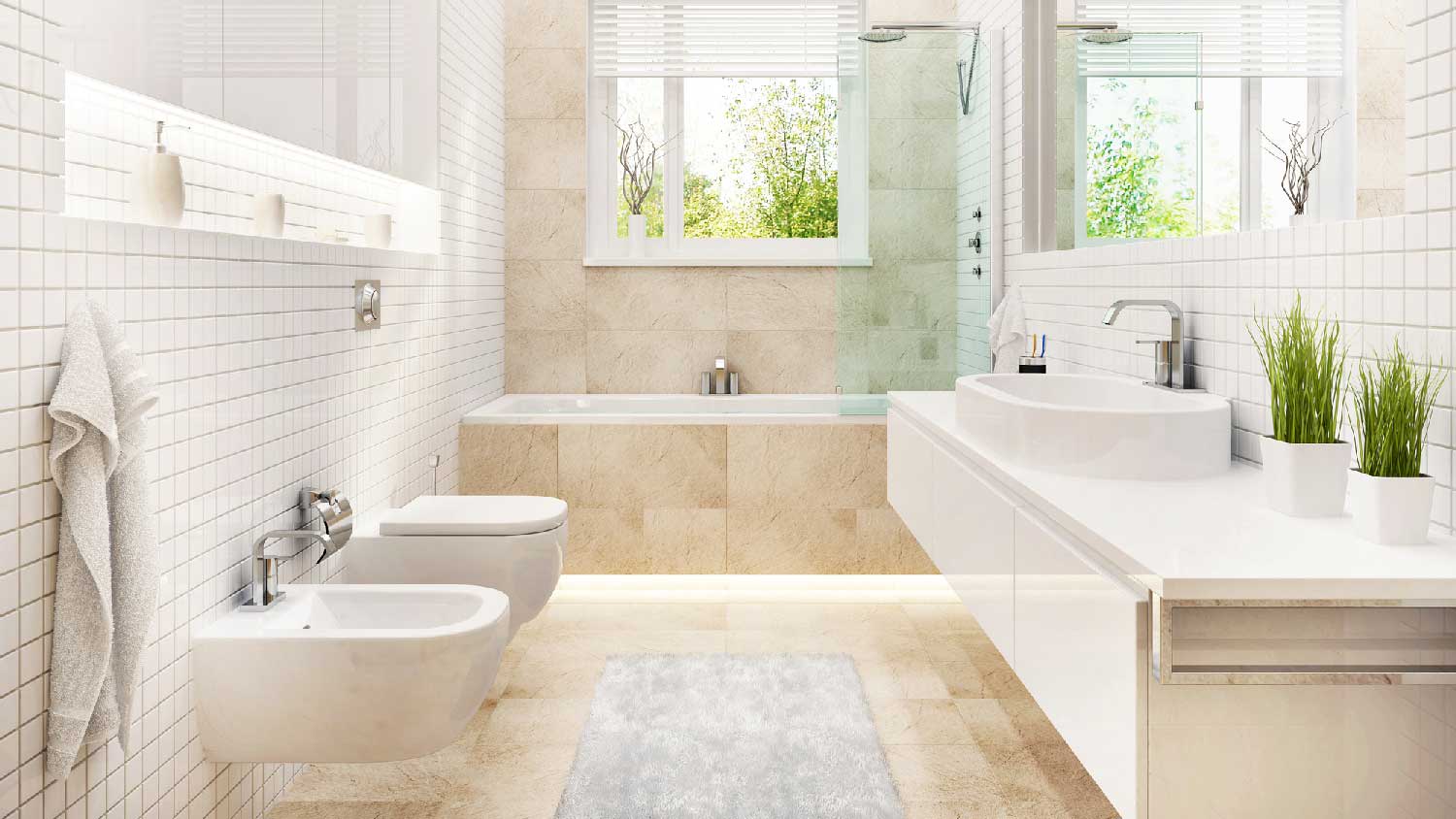
Toilets are a mainstay of American bathrooms, but is it time for a bidet? Before you decide, here’s everything you need to know about bidets versus toilets.
Remodeling a bathroom? Toilet dimensions matter more than you think. This guide will tell you everything you need to know—from seat height to clearance.
Understanding the types of toilets you can install in your bathroom is essential. You don’t have to stick to traditional two-piece gravity-flush toilets.
Before purchasing and installing a new toilet, you need to know the toilet rough-in measurement to ensure proper integration. Here’s how to get it done.