
Everyone can relate to having toilet issues—we’ve all been there. There are several reasons why your toilet might need repairs, and the cost varies based on the damage.
Don’t let toilet tank leaks cause a flap

Standard toilet flapper sizes are 2 inches for 80% of toilets and 3 inches for the remaining 20%, with your toilet's age helping narrow down which size you need.
Three-inch flappers fit toilets made after 2000, while 2-inch flappers work for models made between 1950 and 2000, so checking your toilet's manufacturing date helps you choose correctly.
Your toilet flapper size depends on the flush valve drain diameter, toilet age, flush capacity rating, and whether your model has dual flush capabilities or standard flushing.
Hiring a local toilet professional takes the guesswork out of measuring and matching the right flapper to your toilet's flush valve, keeping your bathroom running smoothly.
Toilet flappers are rubber or plastic discs inside your toilet tank that let water flow out of the tank and into the toilet bowl when you flush. They have to fit securely to keep water from continuously leaking into the bowl between flushes. That’s why finding the right size toilet flapper for your toilet is essential to keeping it in working order. Here, we explain how to tell the difference between flapper options and how to measure for one.
Now that you know what a toilet flapper is, it’s time to talk about size. Toilet flappers come in two sizes: 2 inches and 3 inches. Of the two, the most common flapper is the 2-inch diameter, which is also referred to as the standard size. Approximately 80% of toilets use a standard flapper. Three-inch flappers, or large flappers, fit the remaining 20% of toilets.
The size of the toilet flapper is determined by the diameter (measured distance across the widest part) of the ball that fits into the flush valve opening at the bottom of your toilet tank. Since that ball fits securely inside the drain valve opening, you can also calculate the size you need by measuring the diameter of that flush valve hole.

With just two sizes to choose from, identifying the toilet flapper size your toilet uses is easier than many other home repair jobs. Fixing a leaky toilet flapper is also a fairly easy task. You can find the size you need and replace the flapper yourself if you’re even just a little bit handy, or you can call a toilet repair pro near you for help.
| Size of Toilet Flapper | Diameter |
|---|---|
| Standard | 2 inches |
| Large | 3 inches |
The standard toilet flapper measures 2 inches across at the ball or sealing surface, and it fits toilets that have 2-inch flush valve drains. This type of toilet flapper fits 80% of toilets and those made after 1950.
Large toilet flappers measure 3 inches across at the ball or sealing surface, and they fit toilet valve drains that are 3 inches in diameter. These fit 20% of toilets and those made after 2000.
Measuring for the size of your toilet flapper is easy: all you need to do is measure the diameter of the drain hole your flapper will cover. If it’s 2 inches in diameter, which most drain holes are, you need a standard-sized, 2-inch flapper. If the drain hole measures 3 inches across, you’re in the market for a large, 3-inch flapper.
In many cases, you can look at the existing flapper and visually determine the size. If the flapper is the size of a baseball or an average orange, it’s almost certainly a 2-inch, standard flapper. If it’s the size of a softball or the average grapefruit, it’s a 3-inch, or large, flapper. Eyeballing it is a great way to estimate the size you need, but always measure to be sure you’re buying the right size and to prevent a return trip to the hardware store or home improvement center.
Some brands of flappers also have the size printed on the top, so looking at your old flapper can tell you what you need to know. And when you get to the store, you’ll find that most manufacturers clearly mark the packaging with the measurement to avoid confusion.

There’s really only one thing you need to know when choosing a toilet flapper to make sure you get the right size, and that’s the size of your toilet valve.
Since the flapper must completely cover and seal the toilet tank valve that allows water into the bowl, the size of your toilet’s tank valve is all that matters. Get this right and buy the right flapper, and you’ll get the watertight fit your tank needs to keep the water where it should be and let it flow out on demand.
Along with flapper size, there are a few other things you’ll want to keep in mind when choosing a new toilet flapper.
You might be surprised to learn that the age of your toilet can indicate which size flapper it takes. Toilets made between 1950 and 2000 all take a standard 2-inch toilet flapper. Toilets made in or after 2000 may take the standard 2-inch flapper or require a large 3-inch flapper. If you have a newer toilet, especially if it has dual flush capabilities, be sure to measure for the right fit.
Toilet flappers come in different materials, and that can impact how they fit and function, and which toilets they’ll fit in. There are two common flapper materials: rubber and hard plastic.
All-rubber flappers, also called flexible frame flappers, fit most flush valve drains and can stretch to fit angled seated flush valves, odd-sized flush valves, and flush valves that don’t have an area to mount a fixed flapper attachment.
Hard plastic frames, also called solid-frame flappers, can stop toilets from leaking for longer than flexible flappers, which can deteriorate faster. They don’t work with all toilets, though, so only buy them as a replacement for toilets that came with solid- or plastic-framed flappers or that the manufacturer has specified are compatible with solid-frame flapper use.
Flappers fit into two types: adjustable and nonadjustable. The types aren’t interchangeable, as they’re designed for specific flush capacities. Toilets with lower water needs often use adjustable flappers; toilets that use more water per flush need nonadjustable flappers.
The best way to determine your toilet’s flapper type is to know the flush capacity. There are four flush capacities sold in the United States: 5 gallons per flush (GPF) and higher, 3.5 GPF, 1.6 GPF, and 1.28 GPF. The flush capacity is marked on household toilets, often at the back of the bowl near where the water tank sits or inside the tank.
The age of your toilet can also be an indicator. Toilets made before 1994 are almost all high-gallon-per-flush toilets, so you’ll want to choose a nonadjustable flapper. Toilets made in or after 1994 can come in both categories, so you’ll want to verify flush capacity by comparing the date and the flush valve system. Toilets manufactured in or after 2005 are generally high-efficiency, low-flow toilets and almost exclusively require adjustable flappers.
If your toilet flapper doesn’t completely seal up the valve hole, you’ll notice it or hear about it.
Flushing problems: If you don’t get enough water to clear the bowl when you flush once or if you’re noticing your toilet never quite completely flushes, you may have the wrong size toilet flapper. If it doesn’t let in enough water, you can find yourself flushing multiple times instead of just once.
Running toilet tank: Is your toilet tank constantly letting a steady stream of water into your toilet bowl? This is a sure sign your flapper isn’t properly sealing. It could be due to flapper damage or deterioration, an old or worn flapper, or a problem with the seal, but this can also signal that the flapper is the wrong size.
If you experience these issues or similar problems, consider replacing the existing flapper or calling a pro to advise you on the cause.
Having the correct-sized toilet flapper is important. Incorrectly sized toilet flappers lead to wasted water from multiple flushes and toilet tanks that run all of the time, resulting in higher water bills. For these reasons, you need a flapper that fits right and completely seals.
If you’ve bought the wrong-sized toilet flapper or the flapper in your toilet doesn’t fit snuggly anymore due to age and deterioration, buy one that is the correct size. While it can be frustrating to replace a flapper that isn’t worn out, flappers are quite affordable, and you’ll save more money by not wasting water than you’ll spend to get the right-sized flapper.
Positive experience. As previously stated, the replacement/repair could not be completed (no fault of the plumbing tech) b/c misinformation was rec?d by property management maintenance. Thanks to the plumbing tech for your efforts. Appreciate you!
 The Waterworks
If you want to pay the most exorbitant prices possible for your job, this is the company for you. “By the job” pricing is a rip-off, at least how these people use it. Every job is plugged into a category and prices are set by category. You might have a job that takes half an hour or one that...
 Benjamin Franklin Plumbing
Cole has been handling plumbing and general contracting for our four properties over the past three years, and he’s always done a great job. Most recently, he installed a sink and countertop in our retail store where none existed before, and it turned out exactly how we needed. He’s...
 ANB Renovations LLC
Matt is a consummate professional. The work turned out to be far more difficult than expected and rather than turn the job down, Matt rose to the occasion and completed a near impossible task. I can not recommend Greene's Plumbing Service more highly. On a scale of 1-5 I would give Matt a...
 Greene's Plumbing Service
Involved an extensive bathroom remodel, including removing tub & installing walk in shower, new drywall, custome tile work to ceiling, plumbing, etc. Overall, job was done on time and on budget. Nick & his team were very professional and had high attention to detail. Quality was great. Highly...
 Stamos Flooring and Remodeling LLC
Awesome company. Had a jacuzzi tub taken out and replaced with huge walk in shower with partial glass enclosure. Onyx to the ceiling with a decorative border, moved plumbing and installed hand held shower, new ceiling, flooring, and paint. Replaced window with glass block. Everything was done...
 Columbus Bath Design
The initial quoted price from a walk-through seemed high, but we discussed that the quote represented worst case scenario (re-wiring to two floors) and we were excited about the opportunity to have the work done in a timely manner with closing for fire safety reasons, etc. When the job was...
Initially, I called the Service People to have a leaking garbage disposal replaced. I had purchased a special deal through Angie's List: $79 for $200-worth of plumbing services. <br /> When I went to schedule the work, the earliest date I could get through Angie's List was after the upcoming...
This company did a very good job on the brick wall and it looks just amazing. The staff was always professional and was practically OCD on how the bricks were stacked and how they were laid. Although it took longer than expected, I am willing to sacrifice time over perfection anyday. The...
 My Handy Mate LLC Improvement & Remodeling
<p>I am so glad we called Rotor-Rooter. I was hesitant to call them because we usually prefer to give business to local providers. But when we had sewage back up in our basement on a Saturday evening, I had a hard time getting a hold of someone, not to mention the high weekend/evening rate...
 Roto-Rooter Plumbing & Water Cleanup
From average costs to expert advice, get all the answers you need to get your job done.
Everyone can relate to having toilet issues—we’ve all been there. There are several reasons why your toilet might need repairs, and the cost varies based on the damage.
Find the right type of toilet tank flapper for your bathroom, including rubber, silicone, standard, adjustable, and dual flush.
What is a toilet flapper? Find out everything you need to know about this rubber piece in your toilet tank so you can troubleshoot common issues.

A running toilet may be the sign of a worn-out flapper. It’s not just annoying—the water waste is costly, too. Find out how to replace a toilet flapper.
Most toilets use a 3-inch drainpipe, but certain toilets may deviate from the norm. This guide will help you understand toilet drainpipe sizes to avoid clogs.
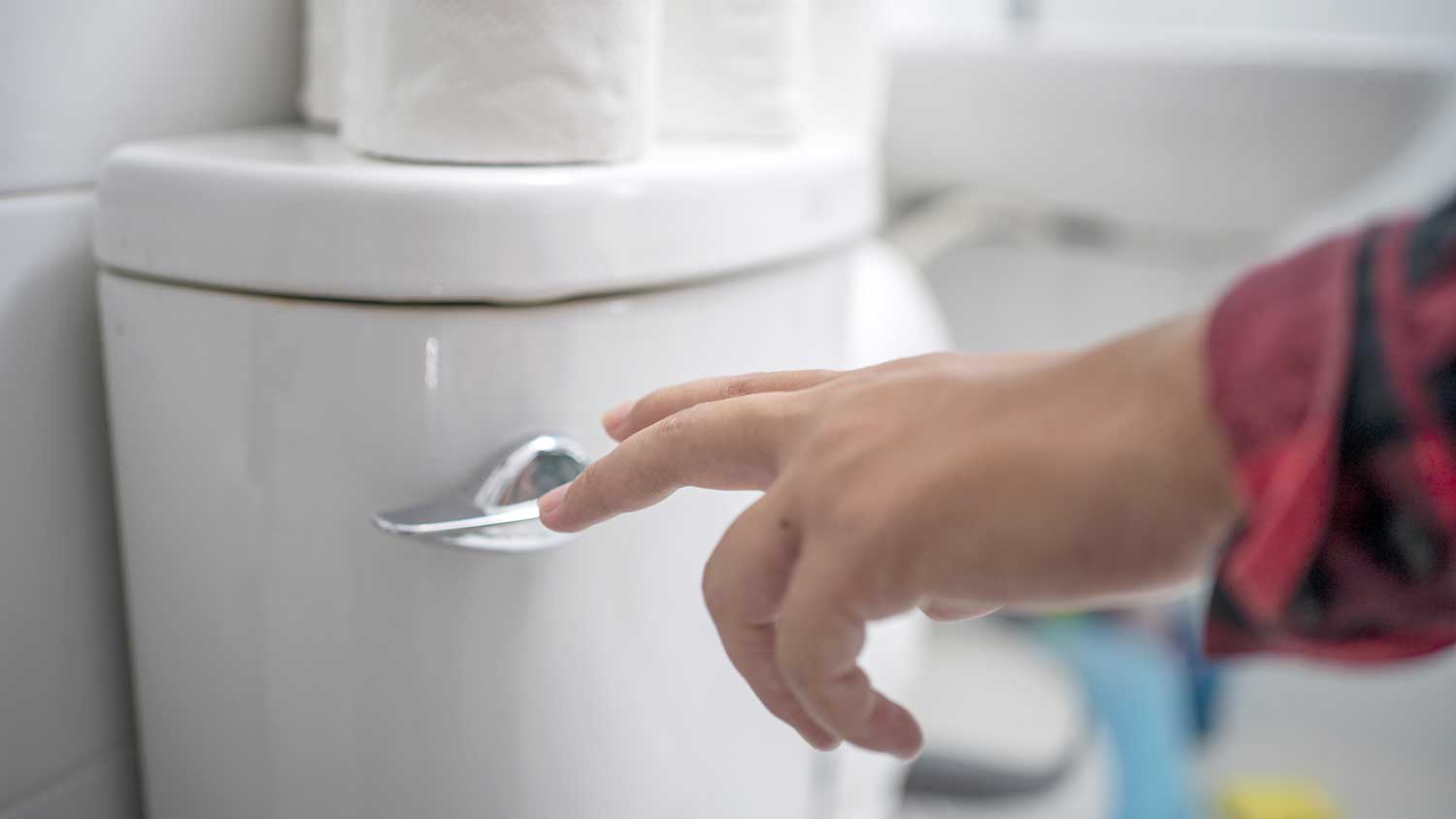
Wondering how long a toilet flapper lasts? This toilet part lasts up to five years, but you can extend its life if you keep an eye out for a few issues.