






Top-rated generator install pros.

Get matched with top generator install pros in Rogers, AR

Enter your zip and get matched with up to 5 pros

Need a pro for your generator install project in Rogers, AR?

Select your specific project to find the pro for you.

Find Generator install pros in Rogers

Avatar for TOTAL BCY ELECTRIC LLC
TOTAL BCY ELECTRIC LLC
5.0(
5
)

Serving Rogers, AR and surrounding areas

Approved

In business since 2018

Free estimates

Credit card accepted

"Brian installed the panel and ran wiring at our hunting cabin. He did a great job, and was a a good sport about it being such a remote location. More recently, our lights and appliances were not working correctly. I called him and he was at our home in under 90 minutes, made sure everything was okay on our end, and stayed with me until the electric company arrived to fix the power lines outside our home. I definitely would recommend this company! They are the best!"
Generator installation
Service upgrade
5 neighbors recently requested a quote
Avatar for Tri-State Water, Power & Air
Tri-State Water, Power & Air
New to Angi

Serving Rogers, AR and surrounding areas

Approved (Corporate)

In business since 1992

Free estimates

Emergency services offered

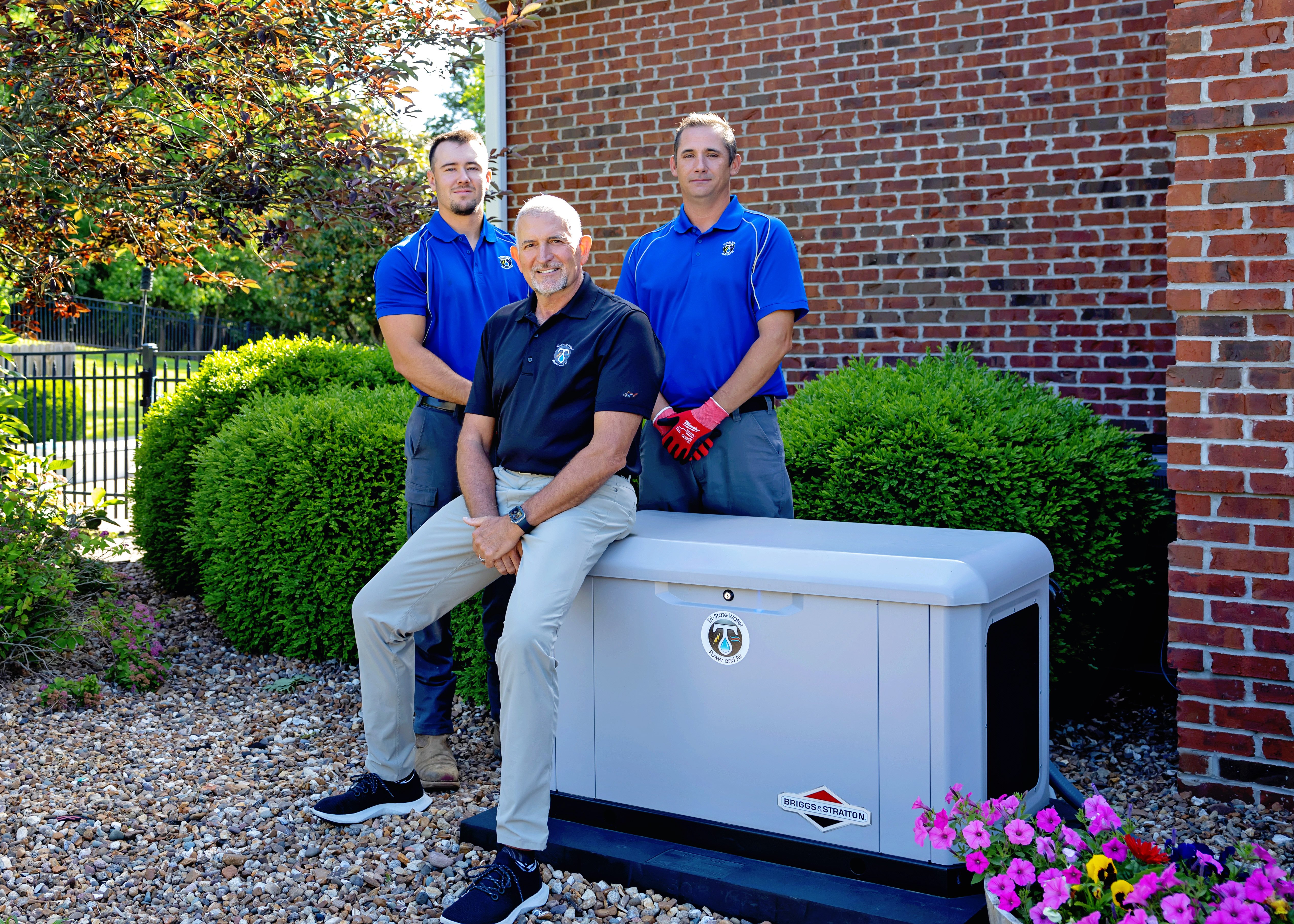
We are the experts in the field of Whole Home Generator Sales and Installation, with over 20 years of experience in the game.\nWe provide turn-key installation by licensed professionals - 24 hour emergency service - Remote Monitoring - Long term maintenance and service by factory trained technicians.

Response time1 day
Response rate100%
52 neighbors recently requested a quote

Atlas Electric LLC
5.0(
1
)

Serving Rogers, AR and surrounding areas

Approved

In business since 2016

Free estimates

Credit card accepted

We are extremely passionate about the work that we do. You can depend on us to provide a high quality service at a fair and honest price. We understand that the future of our business depends upon our reputation and that is why customer service is by far our highest priority. If you are looking for a professional you can trust, please call today to schedule a no-obligation estimate!

Response time1 hour
1 neighbors recently requested a quote

Recommended by100%of homeowners
Showing 1-10 of 41
Generator Install questions, answered by experts

No, you should never plug a generator directly into a wall outlet in your house. This practice is extremely dangerous, often illegal, and can cause "back-feeding," where power from the generator flows back into utility lines, creating a life-threatening hazard for utility workers. It can also damage your home's electrical system, including appliances like pumps and HVAC fans. If the main power is restored while the generator is connected, it can destroy the generator and cause an electrical fire. To safely connect a generator, you must use a professionally installed transfer switch or an interlocking kit, which prevents back-feeding by disconnecting your home from the utility grid before the generator provides power.

Most homeowners won't be able to claim a home generator as a tax write-off. However, a whole-house generator may be tax-deductible in certain situations depending on its purpose. For instance, if it's needed to power essential medical equipment, it may qualify as a medical expense deduction. Also, in some cases, businesses can deduct a generator as a business expense if it supports operations. Always consult a tax professional to determine eligibility based on your specific circumstances and the applicable IRS regulations.

To determine the right size generator for your house, you should calculate the total wattage of the appliances and devices you want to power during an outage. List all essential items, note their start-up wattages, and add them together.

Here are some typical wattage requirements for common appliances:

  • Refrigerator: 600 watts

  • Large dehumidifier: 700 watts

  • Large window air conditioner: 1,400 watts

  • Water heater: 3,000 to 4,500 watts

  • Electric furnace: 5,000 to 25,000 watts

A 7,500-watt generator might be sufficient for essentials like a refrigerator, freezer, well pump, and lighting circuits. However, for high-demand items like a water heater or furnace, a whole-home generator is a better choice. A portable generator may be enough if you only need to power a few critical items.

While home square footage can offer a rough estimate, it is not always a reliable indicator. For reference, here are some typical generator sizes based on square footage:

  • 1,000 sq ft: 6–9 kW

  • 1,500 sq ft: 7–10 kW

  • 2,000 sq ft: 10–14 kW

  • 2,500 sq ft: 12–16 kW

  • 3,000 sq ft: 16–20 kW+

For the most accurate sizing, consult a professional who can calculate your home's peak and average power consumption and recommend the optimal generator.

Portable generators provide backup power for essential appliances during outages and are easy to relocate.

In many cases, yes. There are models called dual-fuel generators and fuel switches, but only between certain types of fuel. For example, with the right setup you can convert a generator from natural gas to propane. Some allow switching between diesel and gasoline. There are even tri-fuel generators available in some cases, which adds a large layer of security if you are worried about fuel availability in times of crisis. Always check your generator capabilities and manual instructions before trying to switch fuels. Some generators can use another fuel but may need a fuel conversion kit to prep them first.

The Rogers, AR homeowners’ guide to generator installs

From average costs to expert advice, get all the answers you need to get your job done.