






Top-rated generator install pros.

Get matched with top generator install pros in Gravette, AR

Enter your zip and get matched with up to 5 pros

Need a pro for your generator install project in Gravette, AR?

Select your specific project to find the pro for you.

Find Generator install pros in Gravette

Avatar for Tri-State Water, Power & Air
Tri-State Water, Power & Air
New to Angi
Fixed Generator - InstallGenerator - InstallGenerator - Install - For Business

Serving Gravette, AR and surrounding areas

Approved (Corporate)

In business since 1992

Free estimates

Emergency services offered

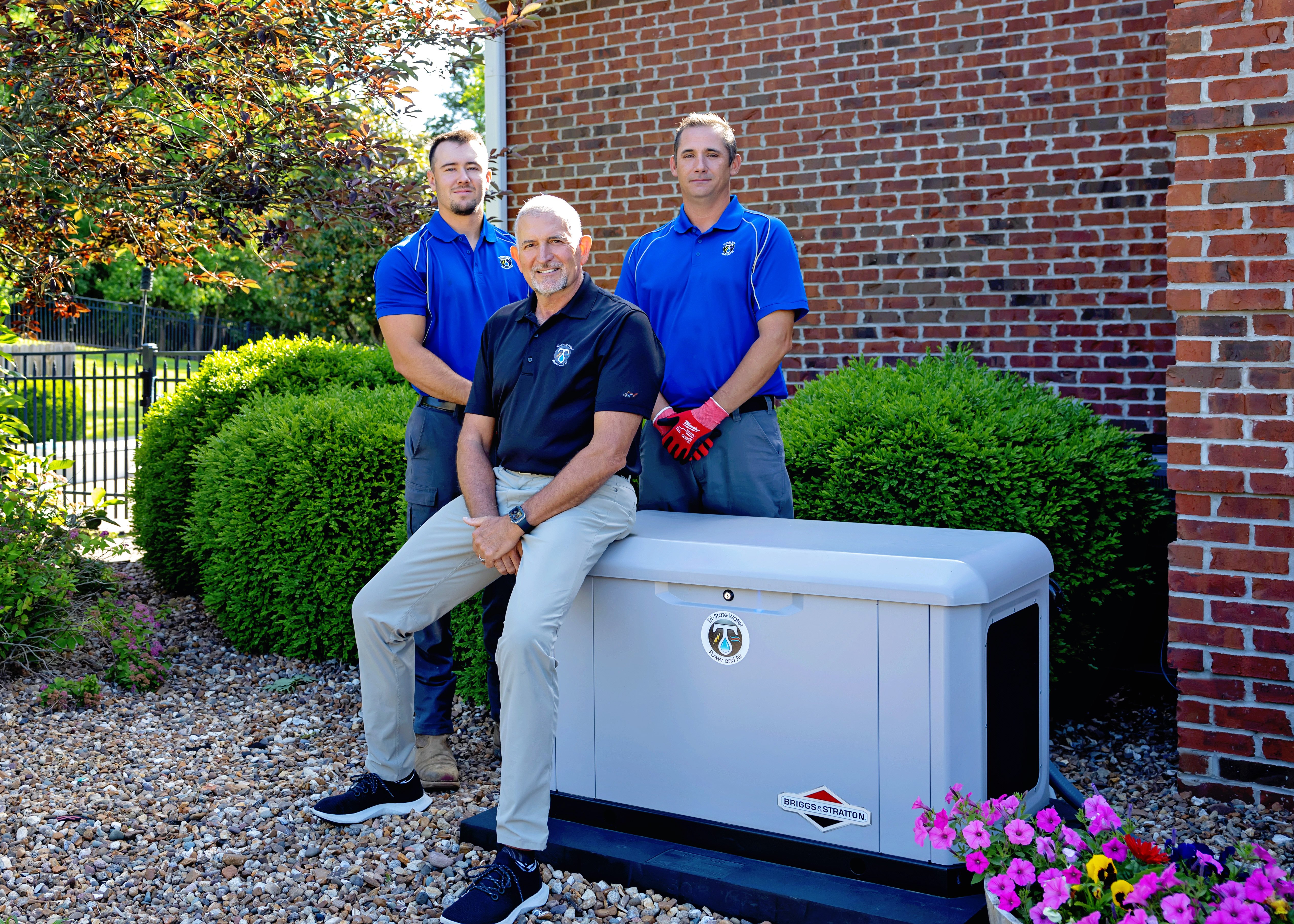
We are the experts in the field of Whole Home Standby Generators, with over 20 years of experience in the game. We provide turn-key installation by licensed professionals - 24 hour emergency service - Remote Monitoring - Long term maintenance and service by factory trained technicians. \nYou can trust our team, knowing that we have a Triple-A Rating with the Better Business Bureau and received the BBB Torch Award for Ethics. We look forward to discussing your needs and providing a recommendation and services you can rely on. \n

Response time1 day
Response rate100%
60 neighbors recently requested a quote

Twisted Wire Electric, LLC
4.3(
4
)
Fixed Generator - Install

Serving Gravette, AR and surrounding areas

Approved

In business since 2025

Free estimates

Emergency services offered

"Called company they showed up at the time they stated they would be here, actually they were early (awesome).  Installed a total of 4 ceiling fans with lights in about 2 hours time.  He was very friendly and answered all questions that I had.  Once installed he made sure everything was working great.  He left his card and said if I had any problems to please call him and he would come and check it out.  He was extremely professional and considerate of our property.
"
Recommended by75%of homeowners
Showing 1-10 of 27
Generator Install questions, answered by experts

Costs range from $500 to $2,500, depending on generator type and installation complexity.

Generators are safe to use as long as they are installed and operated correctly according to the manufacturer's recommendations. The most critical safety tips are to never use a portable or fuel-powered generator inside an enclosed space due to the risk of lethal carbon monoxide poisoning; always operate it outdoors where fumes can dissipate away from your home. Additionally, never attempt to connect a generator to your home’s electrical panel yourself—hire a professional to ensure the setup meets safety standards. Finally, avoid overloading the generator by not connecting more appliances than it is rated for, as this can damage your equipment or cause a fire.

In some situations, yes. Never try to put biofuel into any home generator without checking the specifics first. If a generator has the ability to run on diesel, it can also run pure biofuel (the clear kind made from seed oils, for example). But if you are using biofuel made from animal fats or vegetable oils, the generator will need significant modifications before it can handle a sludgier type of biofuel.

No, you should never plug a generator directly into a wall outlet in your house. This practice is extremely dangerous, often illegal, and can cause "back-feeding," where power from the generator flows back into utility lines, creating a life-threatening hazard for utility workers. It can also damage your home's electrical system, including appliances like pumps and HVAC fans. If the main power is restored while the generator is connected, it can destroy the generator and cause an electrical fire. To safely connect a generator, you must use a professionally installed transfer switch or an interlocking kit, which prevents back-feeding by disconnecting your home from the utility grid before the generator provides power.

Here’s what you can run with different wattages and types of generators:

Portable generator:

  • 2,000 watts can handle a large appliance like a freezer or refrigerator, plus a few smaller items like phones or computer chargers. 

  • 4,000 watts will keep two large appliances operating and a few smaller devices.

  • 8,000 watts should power most essential appliances and other devices, including a sump pump, well pump, or your dishwasher.

Partial to whole-house generator:

  • 20,000 watts and above will make it seem like your home’s power is still on.

The Gravette, AR homeowners’ guide to generator installs

From average costs to expert advice, get all the answers you need to get your job done.