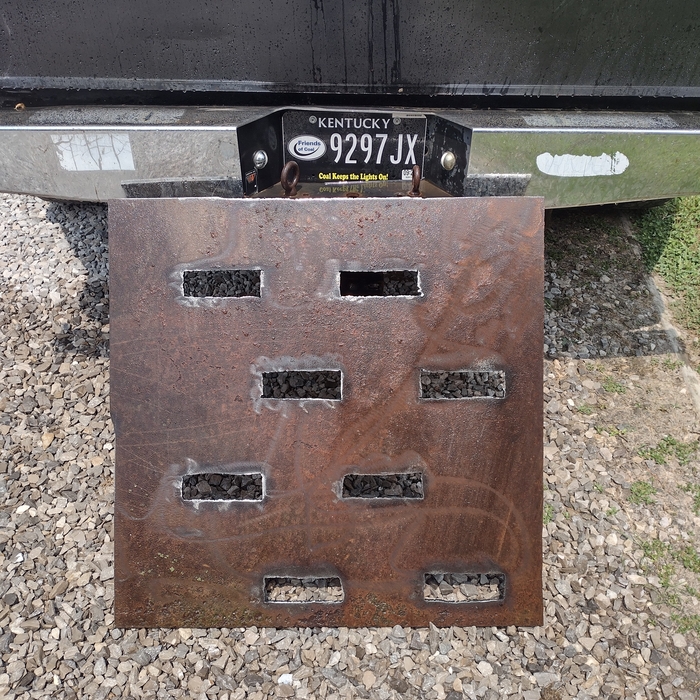
I pride my company on reliability, great communication, integrity, and quality work. I am expert in many trades but still value learning something new everyday! I will do my best to keep you as educated as I can on your particular task or project. I look forward to earning your business! Book with me online or feel free to give me a call today!\n\nSERVICING: LITTLE ROCK, FT. SMITH , HOT SPRING, FAYETTEVILLE AND EVERYTHING IN-BETWEEN.\n\n-electrical\n- plumbing \n-drywall\n-carpentry\n- demolition \n- picture hanging/ tv mounting\n-welding\n-fabrication\n- trailer repair\n- SO MUCH MORE!
Welcome to Bixler Fence! We have been proudly serving the Waldron and surrounding areas since 2009. With 6 years of experience, we take pride in our trustworthy and reliable work. Give us a call for your next fencing or deck project!
We pride ourselves on our extreme professionalism and attention to detail. Our customer satisfaction guarantee will assure you we will not leave your property until you are completely satisfied with our work. As a locally owned and operated business you can trust that we will treat your home as we would treat our own. Give us a call today, and we look forward to working with you!
With over 10 years of experience, JLM Mobile Welding, is your go to team of professionals for all of your needs. We work tirelessly to meet and exceed your expectations and constantly strive for perfection. Give us a call today and lets get started!
At Alta Iron Designs, LLC, we take great pride in our experience, expertise, quality, and customer service that we provide to meet the consumer's needs. It is our mission to provide excellent workmanship and complete customer satisfaction from start to completion of a project. In order to understand the needs and expectations of our customers, we take great care to work and communicate with every customer in a professional manner. Our reputation is based on service, safety, and quality, regardless of how large or small the job. Give us a call today!
We're a locally owned and operated company that values honesty and integrity and treats your home improvement project as if it were our own. We offer a wide range of welding services to meet the specific needs of our clients. We pride ourselves on the quality of our work as well as our commitment to outstanding results. We look forward to building lasting relationships and guarantee your satisfaction!
\n
\n
We're a locally owned and operated company that values honesty and integrity and treats your home as if it were our own. Our services are customized to the individual project, paying close attention to the details of each project that we're involved with. We pride ourselves on the quality of our work as well as our commitment to outstanding results. We look forward to building lasting relationships and guaranteeing your satisfaction!
We take great pride in our experience, expertise, quality, and customer service that we provide to meet the consumer's needs. It is our mission to provide excellent workmanship and complete customer satisfaction from start to completion of a project. In order to understand the needs and expectations of our customers, we take great care to work and communicate with every customer in a professional manner. Our reputation is based on service, safety, and quality, regardless of how large or small the job.
Welcome to Platinum Welding, proudly servicing Fort Smith and the surrounding areas. Our goal is to complete your project to perfection. We look forward to building long lasting relationships with the customers that we serve. We look forward to serving you. Call us today! You will not be disappointed.
G&C Construction and remolding is committed to excellence in every aspect of our business. We uphold a standard of integrity bound by fairness, honesty, and personal responsibility. Our distinction is the quality of service we bring to our customers. Accurate knowledge of our trade combined with ability is what makes us true professionals. Above all, we are watchful of our customers' interests, and make their concerns the basis of our business.
Posts for a horizontal fence should be no more than 6 feet apart. Wood pickets are not as strong when mounted horizontally as when mounted vertically. As such, the fence panels on a horizontal fence can’t cover the same span between posts as a vertical fence can. If you install the posts further apart on a horizontal fence, the fence will lose stability, making the boards more likely to sag.
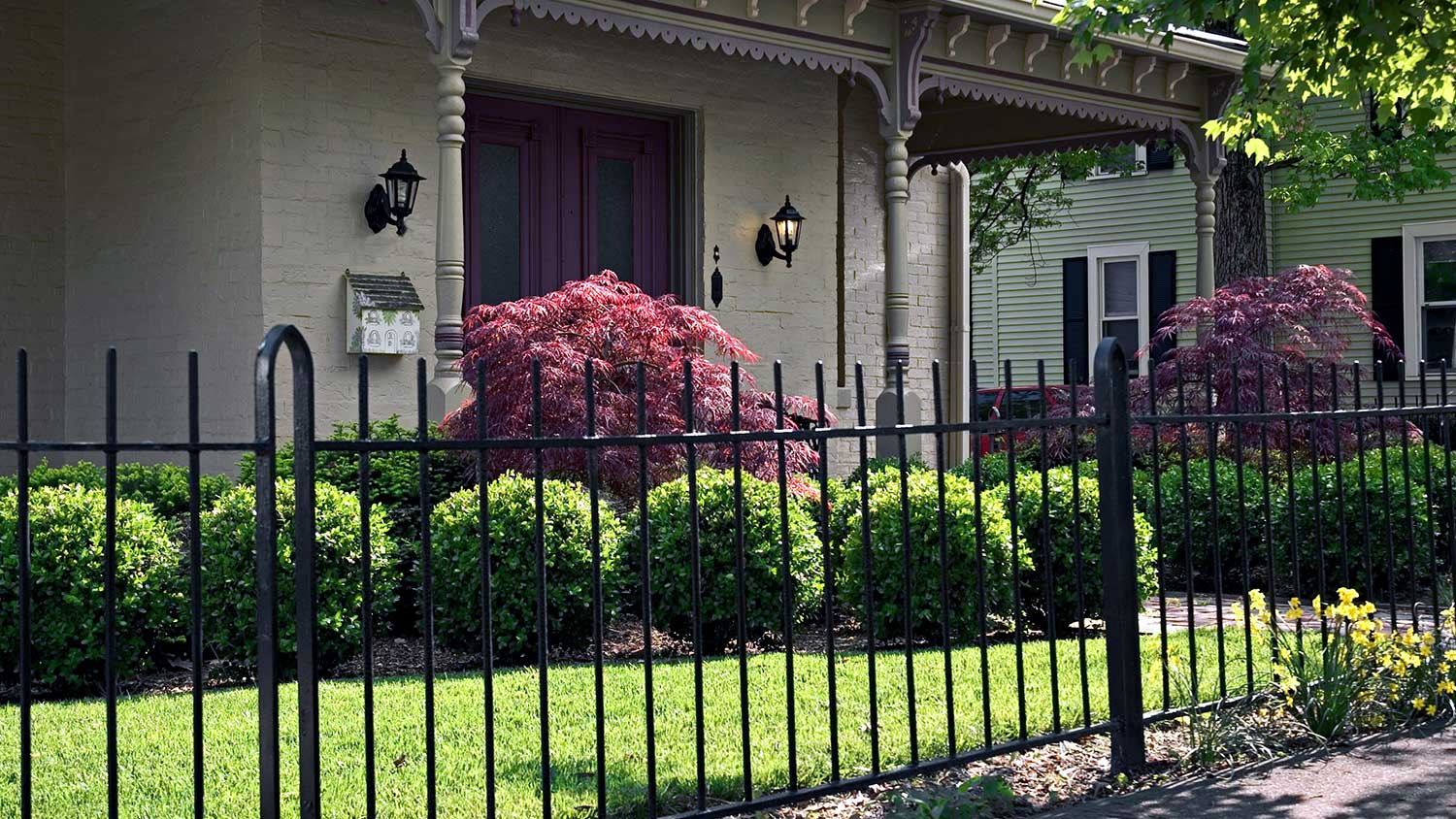
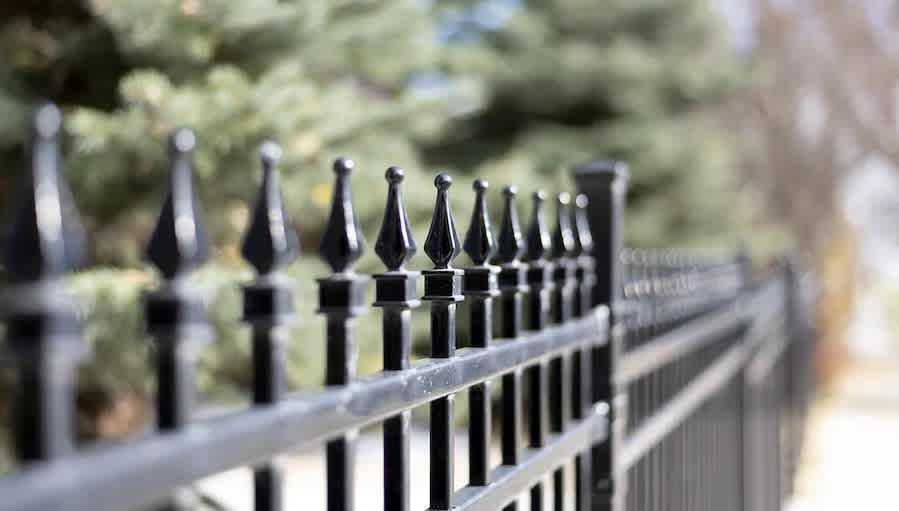
Rust, bent or broken bars, loose posts, and weakened welds are common problems that require repair to maintain security and appearance.
A living snow fence acts much like a man made snow fence, but is a windbreak of trees, shrubs, and native grasses. It acts much like any snow fence as it controls how snow drifts and blows into specific areas. The plants that make up a living snow fence are often seen along ditches, roads, farms and communities.
Metal fencing is one of the most expensive options and is certainly more expensive than vinyl and oftentimes, wood. Specialized electric fences and, in certain cases, concrete can be more expensive than metal, but wrought iron is one of the most expensive fencing options, which is why you see it most often on expensive estates and in affluent zip codes.
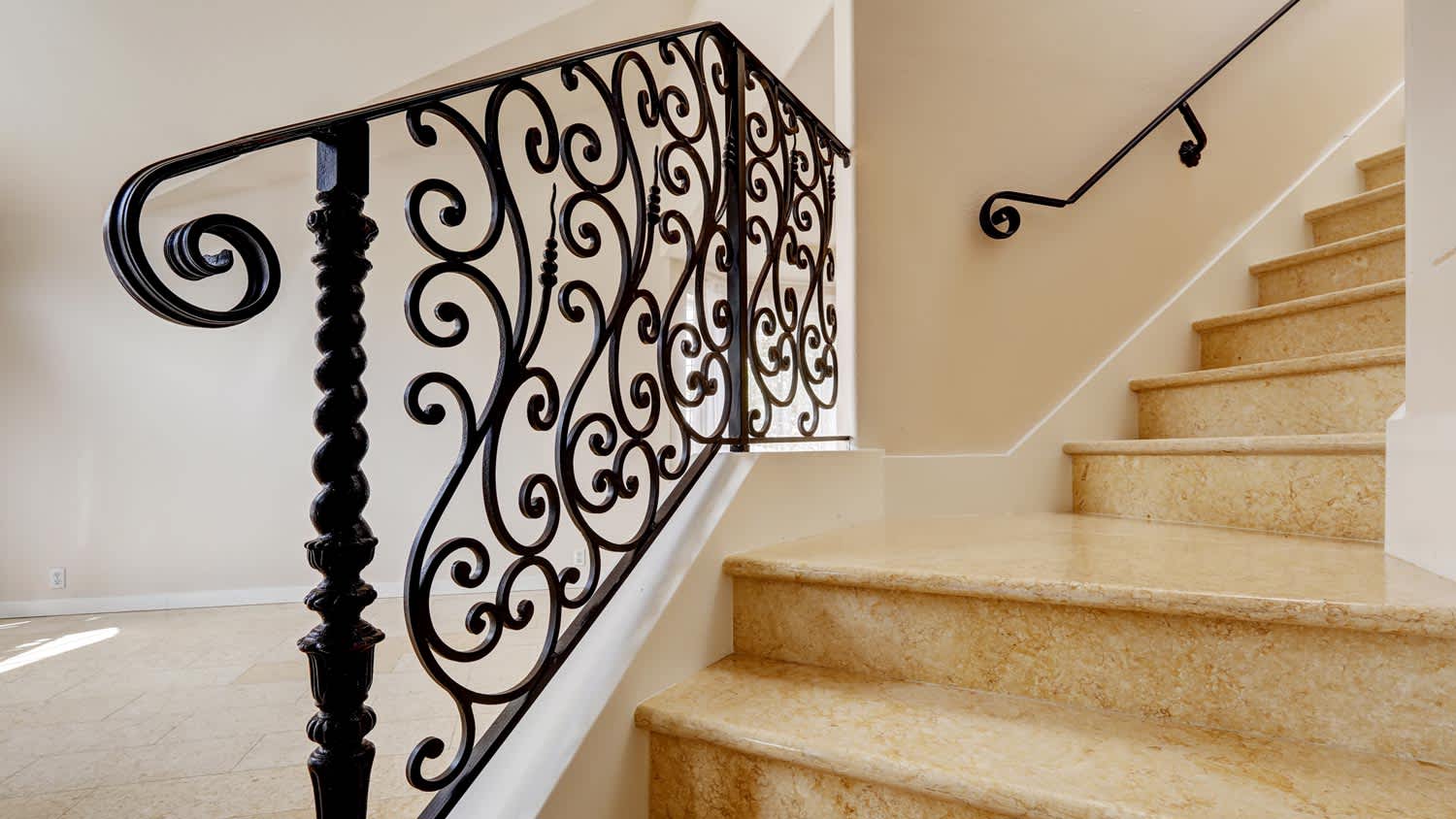
This depends on where you are placing the iron railing. If you are installing a railing along a staircase, it would be a good time to conduct any necessary repair or maintenance jobs to the staircase itself. If you are throwing the railing up surrounding a deck or porch, deal with any persistent issues with said deck or porch. If you or a loved one needs a bit of extra help getting in and out of your house, this could also be a good time to install a disability ramp.
The Plainview, AR homeowners’ guide to wrought iron services
From average costs to expert advice, get all the answers you need to get your job done.
Unsure who to hire to install a wrought iron fence? Compare fence contractors and ornamental iron pros, see how installation works, and choose confidently.