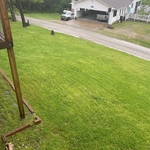
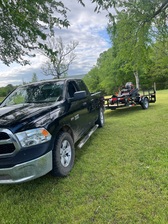
I have 25 years of experience mowing yards and trimming bushes. I worked mowing yards in the state of Massachusetts for 15 years and here in Arkansas I have been mowing yards for 10 years.
My name is Cody Hulberg I am trying to start up a lawn care business I have several years experience with landscaping from mowing grass trimming limbs, hedges, and planting flowers. I can also lay sod, mulch, put out pine straw and so much more !
I have 20+ years of combined experience in lawncare, facilities maintenance, welding/millwright, general repair, custom fabrication, and automotive service and repair. Exceptional customer service. [email protected]
With years of experience serving the area, we are your solution for all your landscaping needs. We take great pride in our extreme professionalism, timeliness and superior customer service on every job. We make sure to develop a lasting relationship so that the next time service is needed there will be no question on who to call. Check out our 5 star reviews from happy customers! Call us today so we can discuss your needs and make a plan that fits your budget. Satisfaction guaranteed!
\n
\n
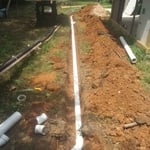
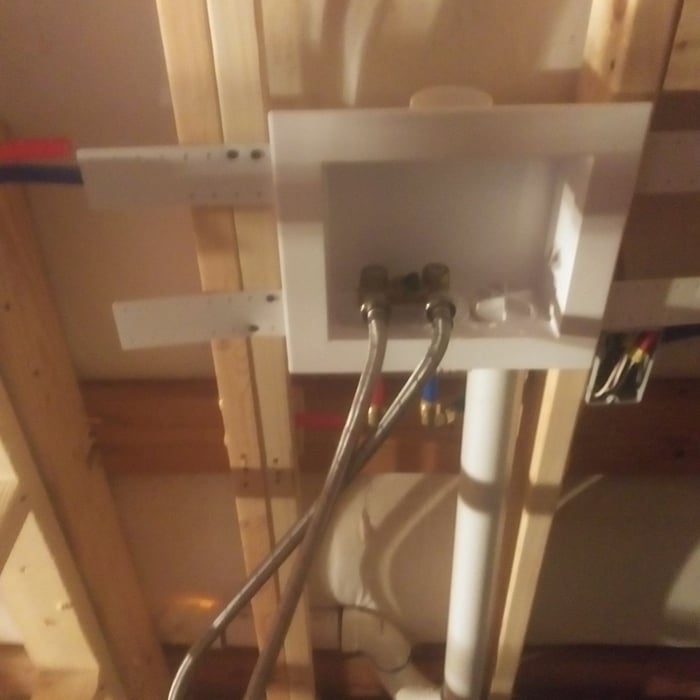
Hello my name is Caleb we specialize in comercial and residential plumbing repair from comercial water heaters to residential toilets there is nothing we can't repair I offer drain cleaning and camera services at a affordable rate I will beat the competitions price guaranteed I also offer discounts for seniors and vets on fixed income I have a 90 day workmanship warranty on all repairs this is a new business trying to make it in a very competitive field and we would love to have your business thanks and God bless!
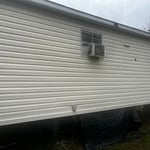
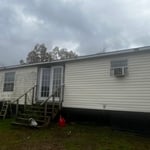
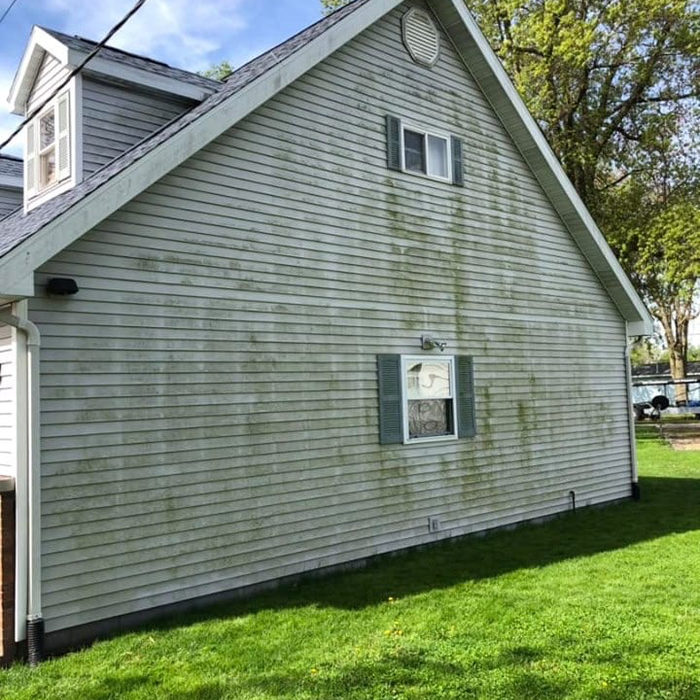
S&N Commercial and Residential Pressure Washing and Home Services is a Family Owned and Family Ran Business. \n\nHere at S&N we are dedicated to Hard Work and making sure our customers are satisfied. \n\nSomething you aren't happy with? Give us a Call and we will come right back! Think the price is a little much? Talk with us, we are very reasonable and are willing to work with you. \n\n\nWe will always go above and beyond to make sure you are 100% Happy with the completed work.
"Tru-Cut Lawns and Maintenance are prompt, tell me exactly when they're coming, and the do a good job. Their price is competitive, I like them, and I'm glad I hired them."
If you're looking for excellent service then you've come to the right place. At Coster Landscaping & Sprinkler, our ultimate goal is to serve you & make your experience with us a pleasant one.
Lawn mower blades should be sharp enough that you can feel the sharpened edge, but not sharp enough to cut you when you touch them. Over-sharpening blades to a fine, razor-edge poses a safety risk and decreases the blade's life because it causes extra wear; the thinner edge is sharper but weaker and will require more frequent sharpening.
Ticks prefer tall grass and seek out shady and moist areas. So, in some instances a no-mow lawn may increase tick population in your yard. This scenario is not ideal if you spend lots of time in your yard or if you have pets. If you spray pesticide then this can also harm the pollinators. However, you can make a DIY tick killer with more natural ingredients to avoid using toxic chemicals.
Ultimately, pulling weeds vs. spraying them depends on what’s happening in your yard and your personal preferences. Manual weed removal doesn’t introduce any chemicals into your landscape, targets specific problematic plants, produces immediate results, can be free if you go the DIY route, and is inexpensive with a weed service if you only have a handful of weeds. On the other hand, spraying is often preferable for severe weed infestations and situations involving difficult-to-pull weeds because it treats multiple weeds at once, is usually more effective long-term, is less time-consuming, and costs less when done by a pro.
The best hardiness zones for St. Augustine grass are USDA growing zones 8, 9, and 10. However, with a bit of extra attention, it'll also grow well in zones 7, 11, and 12.
There are several possible reasons why your Bermuda grass is not thick, with the biggest reasons being too little water, too much shade, compacted soil, drainage issues, and too few nutrients in the soil. Bermuda grass needs frequent and direct sunlight to stay thick, so thinning grass is likely the result of a lack of sun.
The Plainview, AR homeowners’ guide to lawn care services
From average costs to expert advice, get all the answers you need to get your job done.
Your total lawn care cost depends on several factors, including the type of service and lawn size. Our guide will cover what you can expect to pay for lawn care.
Not sure how to handle advertising for your lawn care business? From lead generation to hyper-local flyers, we’ve got some great marketing ideas for your landscaping company that’ll help you get more leads and new customers year-round.
Professional lawn care is one of the best things you can spend money on to maximize curb appeal. Ask these lawn care questions to make sure you get the services you need.