


Top-rated basement waterproofing pros.

Best basement waterproofing pros near Pearcy, AR

Enter your zip and get matched with up to 5 pros

Top-Rated Basement waterproofing pros in Pearcy - Updated Nov 2026

Avatar for Redeemers Structural Solutions
Redeemers Structural Solutions
3.8(
28
)
Foundation, Basement or Crawlspace - Waterproofing / Encapsulation

Serving Pearcy, AR and surrounding areas

Approved

In business since 2007

Free estimates

Emergency services offered

"They came when they said they would. The price was reasonable. Very nice and professional. The only The problem I had was they could have done a better job on the cracks. Other than that they did a good job. I would recommend them."
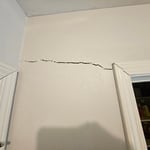
Interior Cracking
Crack Closed
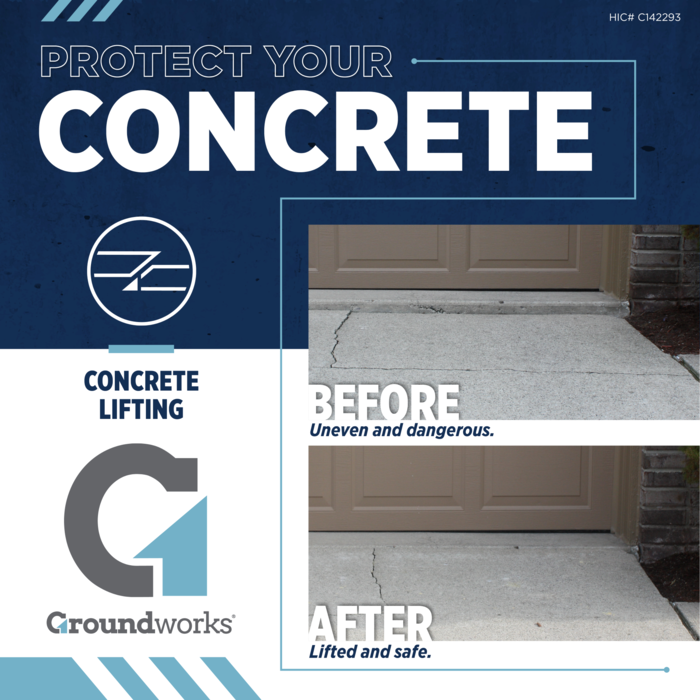
Uneven Concrete
Concrete Repaired
Wet Crawl Space

+7

Response time6 hrs
14 neighbors recently requested a quote
Recommended by64%of homeowners
Avatar for CRAWLSPACE RECOVERY LLC
CRAWLSPACE RECOVERY LLC
4.9(
9
)
Foundation, Basement or Crawlspace - Waterproofing / Encapsulation

Serving Pearcy, AR and surrounding areas

In business since 2023

Free estimates

Emergency services offered

"Noah is easy to work with and kept me in the loop throughout the project with good communication. They do a great job for a good price and made sure to clean up everything. I would definitely recommend him for getting this kind of work done."
What I Will Do For You

+6

Response time1 day
Response rate88%
Showing 1-10 of 18
Basement Waterproofing FAQs, answered by experts

The best basement waterproofing method depends on the specific issue causing the water intrusion. For minor problems, simple solutions like installing a properly functioning gutter system to direct runoff away and grading the soil to slope away from your foundation can be effective.

If you have more significant water problems, the solution will need to be more robust:

  • For standing water on the basement floor, a floor drain or a sump pump system may be the best solution.

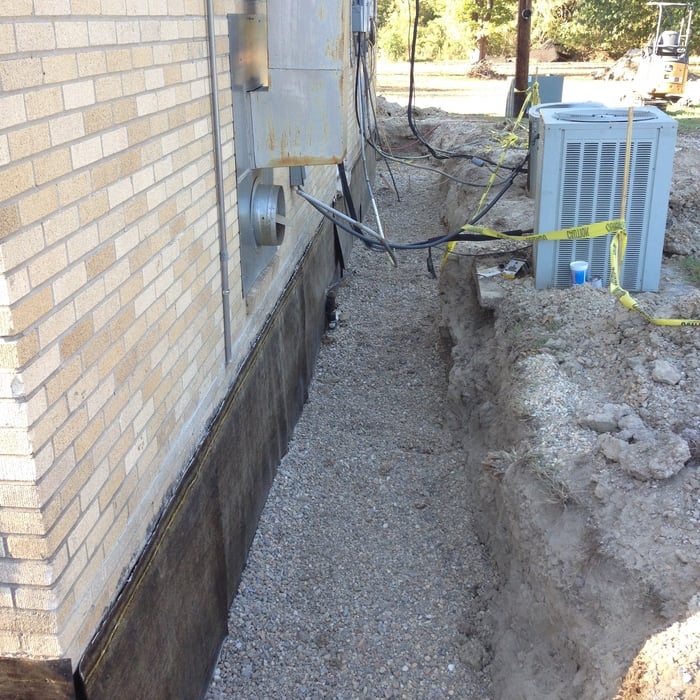
  • For water pooling around the foundation, installing an exterior French drain can intercept water before it reaches the basement walls.

Other effective waterproofing methods, which can be used depending on your home's specific needs, climate, and soil type, include sealing the interior walls, landscape alteration, installing interior drainage systems, and using a dehumidification system to control moisture levels.

Whether to waterproof your basement from the interior or exterior depends on several factors, including your budget.

Exterior waterproofing is generally considered the superior method because it stops water at the source, preventing it from seeping into and damaging your basement walls. This approach offers the most protection, making it ideal if you use your basement for storage.

By contrast, interior waterproofing is often less expensive and requires less labor because the area is more accessible.

For maximum protection against water leakage and moisture, applying waterproofing measures to both the inside and outside is the best solution. However, if you must choose only one, stopping water from the outside is the most effective approach to preserve your foundation and prevent damage.

Brick is designed to absorb moisture, but it is also designed to let it evaporate as well. So in general, the goal shouldn’t necessarily be keeping moisture out but making sure it has the room to breathe. If you have excess moisture getting through your brick wall, it’s more likely that you have a crack or other issue at play that a typical sealant won’t fix. So, instead of investing in sealant, try repairing your brick wall instead.

If your basement often leaks after heavy rain, it’s probably caused by hydrostatic pressure. When the ground is saturated with water, it can put pressure on the exterior of your home’s foundation, causing cracks in the basement wall and pushing water through any existing weak spots. Over time, hydrostatic pressure can cause structural damage to your home.

Ideal humidity conditions generally range from 30% to 50%, with 45% considered optimal humidity for most homes. If your humidity levels drop below that range, you can turn your dehumidifier off. Additionally, suppose the temperature where the dehumidifier is installed falls below 60 degrees Fahrenheit. In that case, it's best to turn it off and unplug it since cooler temperatures can cause the unit's coils to freeze.

The Pearcy, AR homeowners’ guide to basement waterproofing services

From average costs to expert advice, get all the answers you need to get your job done.