Top-rated asbestos removal specialists.

Best asbestos removal specialists near Mena, AR

Enter your zip and get matched with up to 5 pros

Need a pro for your asbestos abatement project in Mena, AR?

Select your specific project to find the pro for you.

Top-Rated Asbestos removal specialists in Mena - Updated Nov 2026

Asbestos Removal FAQs, answered by experts

If you have an older electrical system with fraying wires and other signs of damage, removal  may be the best course of action. When asbestos begins to break down, it's more likely to become airborne, increasing the risk of health issues when it's inhaled.

However, if the system is in good condition and doesn't have visible signs of wear or damage, leaving it alone may be the safest course of action. An asbestos abatement and removal professional can help you determine the best way to proceed.

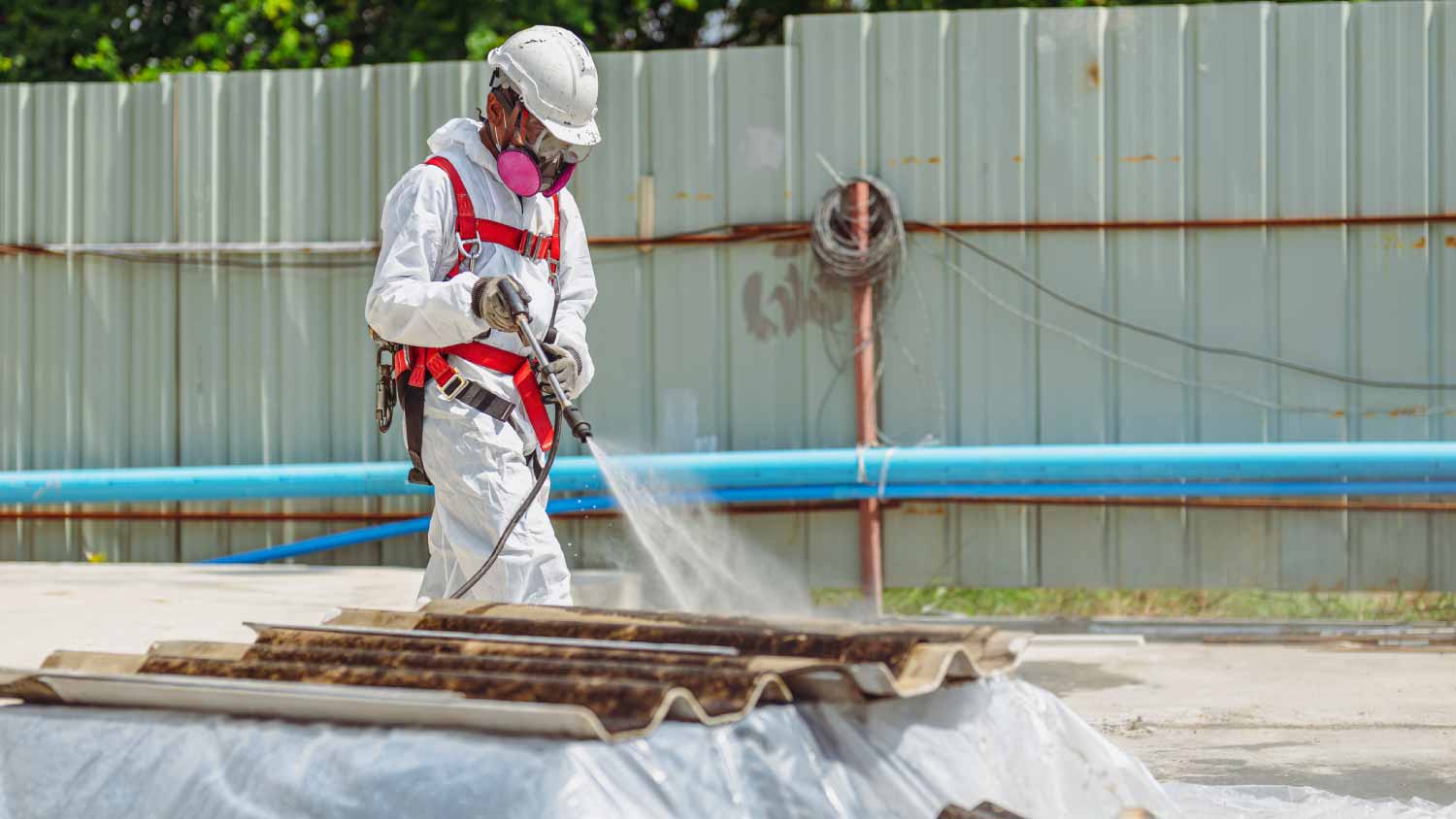
Asbestos-containing materials are not easily affected by water and do not disintegrate or dissolve when exposed to it. However, porous materials can deteriorate due to water exposure, leading to the release of asbestos fibers into the air. The settling of asbestos fibers can also occur as water makes them heavy, which reduces the risk of airborne exposure, though future disturbance of the materials could cause risk. Wetting asbestos-containing materials does not constitute safe removal, and the proper handling and disposal of asbestos materials should be left to professionals.

When asbestos damages the lungs it causes a condition called “asbestosis” which, unfortunately, can’t be cured once it’s damaged the lungs. This condition is chronic and any treatment is undertaken to improve quality of life. This usually involves quitting smoking, being prescribed oxygen, and undergoing lung rehab. Severe cases usually require a lung transplant.

According to the Environmental Protection Agency (EPA), hazardous waste is generally classified into four main categories:

1. Characteristic Wastes: These exhibit at least one of four hazardous traits: ignitability (flammable, like gasoline), corrosivity (can rust or decompose materials, like car batteries), reactivity (unstable and can explode, like aerosol cans), or toxicity (harmful when ingested, like lead-based paint).

2. Listed Wastes: These are specific wastes from manufacturing and industrial processes that the EPA has officially designated as hazardous. They include byproducts from processes that use solvents, pesticides, and other chemicals.

3. Universal Wastes: These are commonly generated hazardous items that are subject to streamlined regulations. Examples include batteries, pesticides, mercury-containing equipment (e.g., bulbs), and some lamps.

4. Mixed Wastes: This category includes waste that contains both hazardous and radioactive components, making it subject to regulation by both the EPA and the Nuclear Regulatory Commission.


Asbestos-containing materials, like duct wrap, should be encapsulated using a sealant specifically formulated for asbestos. These sealants work to bind with asbestos fibers and help further neutralize them as a health risk. Whenever you’re working near asbestos-containing materials, be sure to keep safety as a top priority and wear a P-100-rated respirator as well as protective clothing.

The Mena, AR homeowners’ guide to asbestos removal services

From average costs to expert advice, get all the answers you need to get your job done.