



Top-rated basement waterproofing pros.

Get matched with top basement waterproofing pros in Lavaca, AR

Enter your zip and get matched with up to 5 pros

Find Basement waterproofing pros in Lavaca

Avatar for Hudelle Construction, LLC
Hudelle Construction, LLC
5.0(
4
)
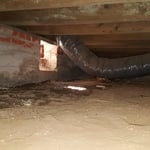
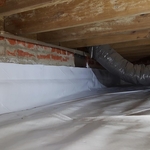
Foundation, Basement or Crawlspace - Waterproofing / Encapsulation

Serving Lavaca, AR and surrounding areas

Approved

In business since 2025

Free estimates

Credit card accepted

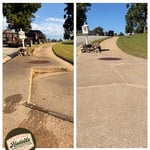
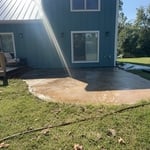
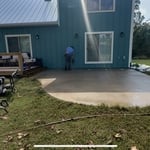
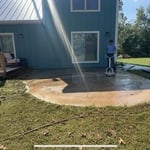
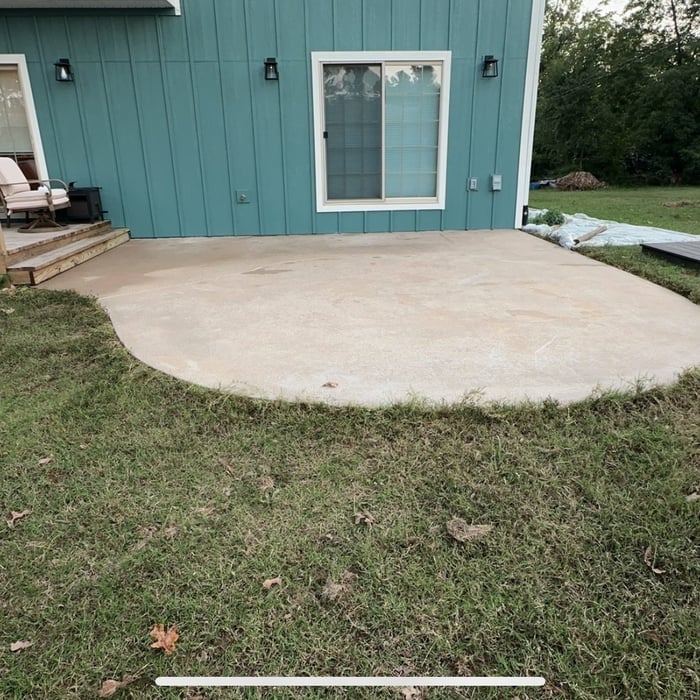
"I recently hired Hudelle Construction to resurface my driveway, and I’m extremely impressed with their work. They started by thoroughly power washing the driveway, which revealed many more cracks than I had noticed before. Their team expertly sealed these cracks, preventing future damage, and then resurfaced the driveway beautifully. The professionalism, attention to detail, and high-quality craftsmanship were outstanding. My driveway looks fantastic and feels built to last. I highly recommend Hudelle Construction for their thorough and excellent service!"
Sidewalk Repair
Concrete Repair
Concrete Repair
Concrete Repair
Concrete Repair

+2

Response time1 day
Response rate100%
4 neighbors recently requested a quote
Showing 1-10 of 11
Basement Waterproofing questions, answered by experts

One handy thing about whole-house dehumidifiers is, once installed, you don’t have to worry about placement or changing the dehumidifier’s position. But if you are using a portable dehumidifier, we suggest keeping it away from walls, vents, and furniture. It needs a central, unobstructed spot with access to lots of air to do its job.

Ductwork sweats due to a temperature difference between the air inside the ducts and the surrounding air, similar to how a cold drink develops condensation in the heat. This sweating is a sign that your HVAC system is not operating at peak efficiency. The best way to keep ductwork from sweating is to wrap it in proper insulation, which also improves your system's energy efficiency. Another option is to close off your crawl space and install a dehumidifier to dry the air and lower its dew point.

While a standard gutter system is widely considered the most effective way to prevent water damage to your home's foundation, several alternatives are available. These options can be used on their own in certain climates or as supplementary protection.

Common alternatives include:

  • Rain Chains: These are decorative chains that hang from the roof's edge, guiding rainwater to the ground.

  • Drip Edges: These metal strips are installed at the edge of the roof to direct water away from the fascia. While often used with gutters, they can be paired with a ground-level solution but are typically not sufficient on their own.

  • Rain Dispersal Systems: These systems work by breaking up the heavy sheet of water flowing off the roof, dispersing it over a wider area.

  • French Drains: This ground-level system uses a perforated pipe in a gravel-filled trench to collect and redirect water runoff away from the house.

  • Drip Paths: Placed directly below the roofline, these paths made of concrete, stone, or other materials prevent soil erosion and guide water away.

It's important to note that some alternatives like rain chains and dispersal systems may not be adequate in regions with heavy rainfall because they don't divert water away from the foundation as effectively as a full gutter system. Ground-based solutions like French drains can be very effective but are often more expensive and can affect your landscaping and curb appeal. Many experts recommend installing a full gutter system for maximum protection and using alternatives as supplementary measures.

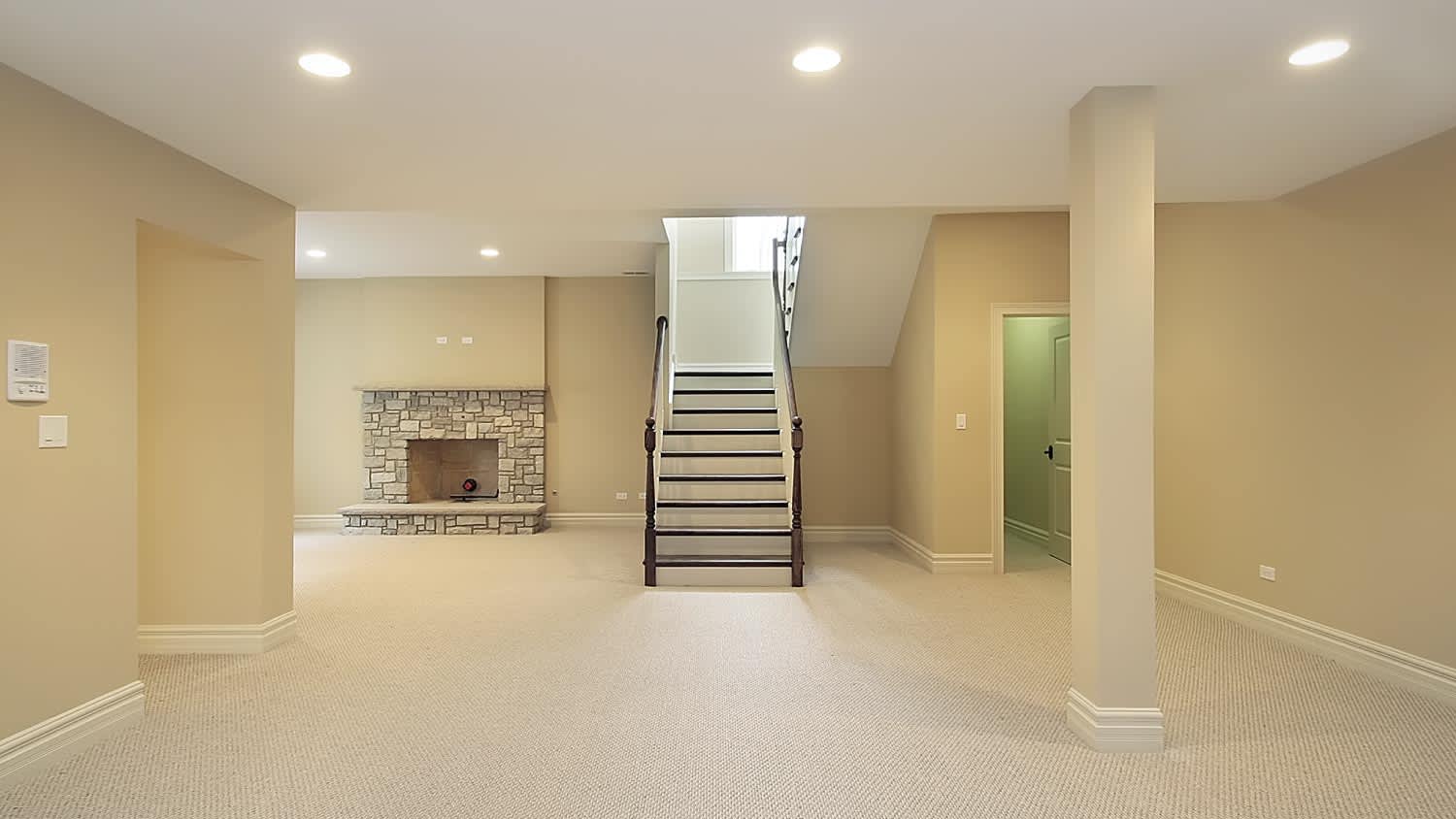
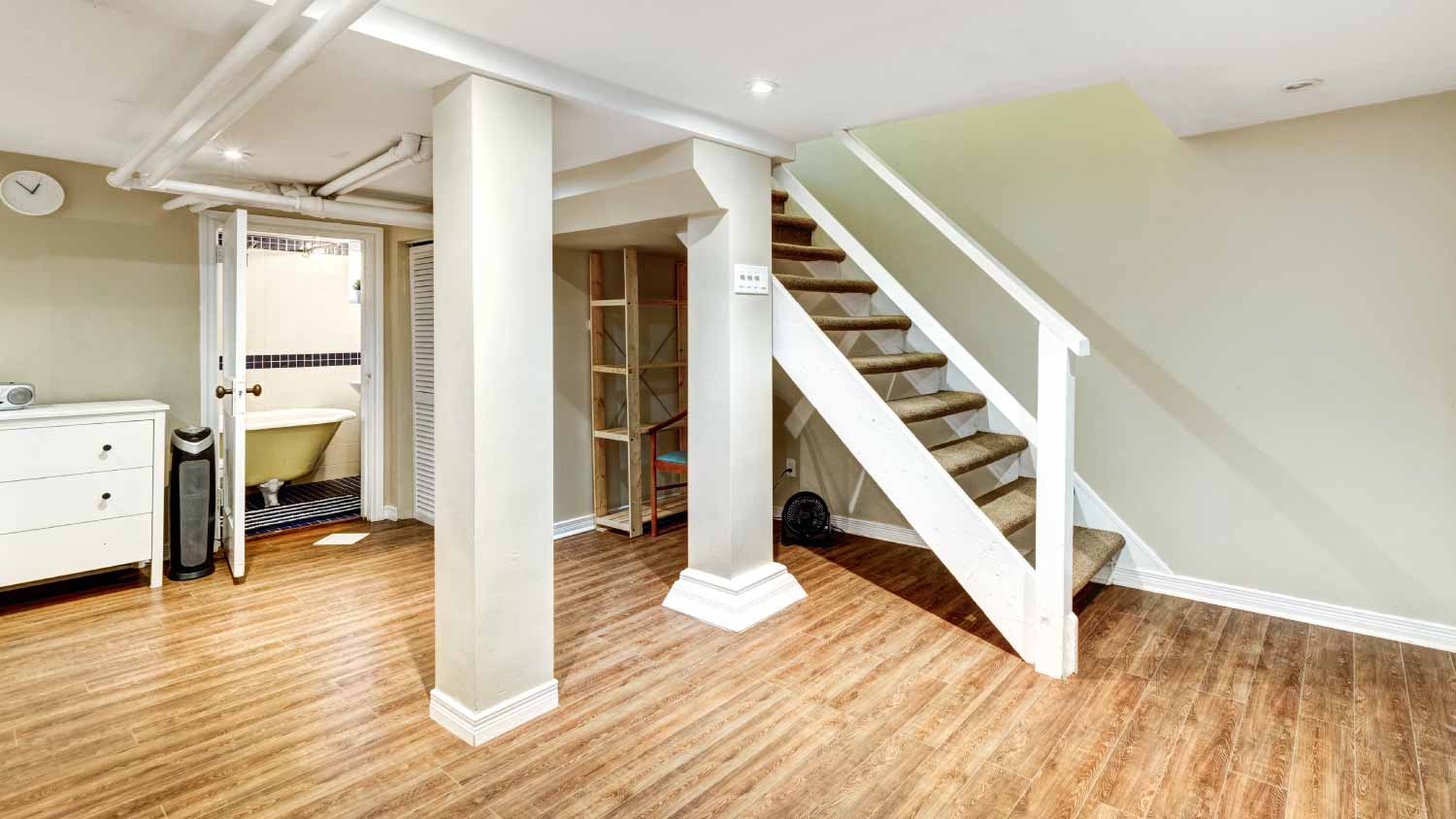
The most challenging part of finishing a basement is addressing moisture control. Basement waterproofing is an essential task that requires a professional’s skills and knowledge. If you don’t properly waterproof your finished basement, it’ll be vulnerable to dampness, water damage, and mold growth. Ensuring proper insulation and ventilation to combat these issues while meeting building codes adds complexity to your remodeling project.

Topical sealers adhere to the surface of concrete to create a protective layer. In many cases, this is all you need for concrete that sees light to moderate traffic, such as your basement. Penetrating sealers, on the other hand, bond with the free lime in the top layer of concrete to form calcium silicate, which prevents liquid from passing through. This type of sealer protects the surface from water, oil, and gasoline spills.
The Lavaca, AR homeowners’ guide to basement waterproofing services

From average costs to expert advice, get all the answers you need to get your job done.