
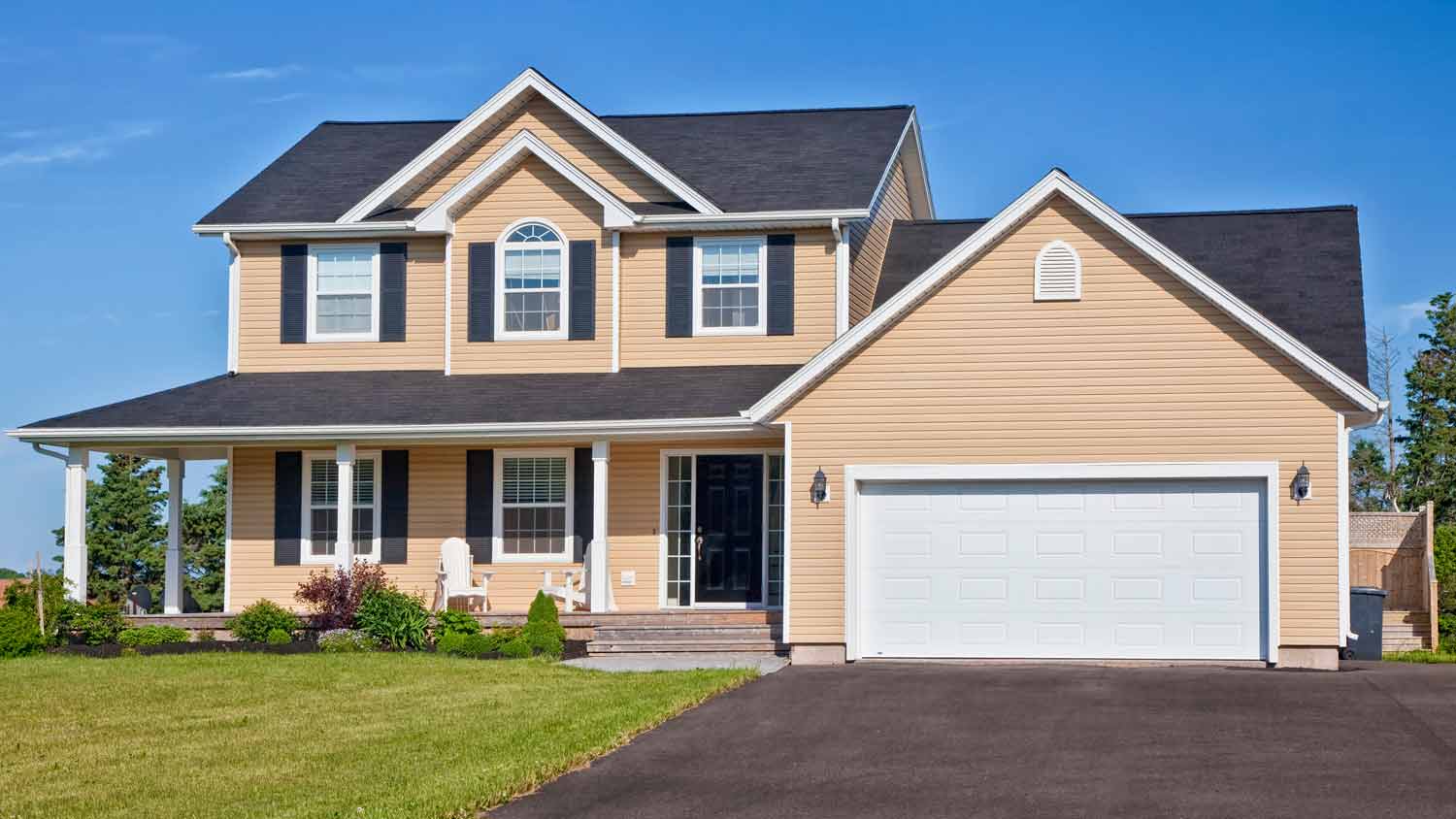
The cost to paint vinyl siding depends on the type of paint, square footage, labor, and more. Check out this guide to help you budget for painting vinyl siding.
Will your vinyl siding outlast your next move?

Your vinyl siding lifespan depends on climate and maintenance, lasting 30 to 40 years in mild conditions but closer to 20 in extreme heat or cold.
Expect to pay $4 to $11 per square foot for vinyl siding repairs, or $6,200 to $16,000 for full replacement when your siding reaches the end of its life.
Wash your vinyl siding once or twice a year to prevent excessive wear, and inspect it for damage after storms to catch small issues early.
Hiring a local vinyl siding repair professional provides reliable help with warping, water damage, and proper installation to keep your home protected and looking great.
Vinyl siding is relatively inexpensive, durable, and low-maintenance compared to other options, like wood siding. But like most construction materials, it doesn't last forever. This guide covers everything you need to know about the lifespan of vinyl siding, including maintenance steps you can take to prolong it. Read on if you’ve ever wondered how long vinyl siding lasts.
Vinyl siding can last between 30 and 40 years, depending on your climate and how well you maintain it. In some cases, homeowners living in mild climates who immaculately maintain their vinyl siding could allow it to last upward of 40 years. On the flip side, homeowners living in hotter or colder climates may have to replace their vinyl siding every 20 years.
How long your vinyl siding lasts depends on a few key factors, namely your local climate and maintenance practices.
Weather conditions and temperatures greatly affect vinyl siding’s longevity. If you experience lots of sunshine, UV rays are likely to wear out and fade your siding quicker than in other locations. If you experience heavy rain, snowstorms, or hail, your siding can weaken, crack, or take on excess moisture, causing mildew and mold.
Extreme heat can melt, peel, or fade your siding, while freezing temperatures can cause your siding to warp and crack. If you live in a moderate climate with moderate temperatures, your vinyl siding is likely to last longer, just like your roof.
Regular cleaning and maintenance keep your vinyl siding in top-performing shape. Checking your vinyl siding at least once a year for holes and damage allows you to repair smaller issues before they become bigger problems. Cleaning your vinyl siding once or twice a year prevents excessive wear and discoloration.
Proper vinyl siding installation prevents buckling, warping, and water leaks. If your siding was improperly installed, you may have to repair or replace it sooner. While you can learn how to replace vinyl siding, consider hiring a local siding pro instead of doing it yourself.
Not sure whether your vinyl siding needs to be maintained or replaced? Look out for signs of damage, like fading, cracks, or water. Additionally, if your vinyl siding is nearing its 30 year mark, it’ll be more cost effective to replace it.
If you’re unsure of how old your existing siding is, check for the severity of any damage. Newer siding is strong enough to withstand the environment, but older siding is much weaker. Check to see if any new damage appears soon after heavy rainfall or periods of bright sun—in those cases, your siding is likely on the older end of its lifespan.

Waterproof vinyl siding usually helps keep most of the water away from the exterior of your home. However, even the smallest of gaps can allow water to seep through. If you observe the growth of fungus, mildew, or mold on your siding panels, it's a sign that moisture is penetrating your boards and possibly hiding further underlying damage. Such growth usually appears in the more shaded and damp parts of the exterior of your home.
While it is quite normal for a couple of the siding boards to come loose during strong storms, if several of them are cracked, missing, or unsecured, this can be another indicator of water damage. Once the moisture seeps into the boards, it weakens them and makes them more susceptible to destruction.
Vinyl siding is quite durable, but is still prone to damage from pests, insects, or severe weather. Insects such as carpenter ants and termites, or rodents like squirrels and mice, are known to feast on the siding in an effort to seek food or shelter. When this happens, it can result in holes in your siding. If you have a woodpecker problem, you want to learn how to stop woodpeckers from pecking your house so you aren't continuously trying to fix the damage.
While typical wear and tear can result in broken, cracked, dented siding, your home is more susceptible to damage following severe weather. Hail storms, high winds, or direct hits to your home can leave the siding in shambles.
If you find your siding damaged, you want to address the problem quickly. Exposing your home's structure to the elements can cause increased challenges, so avoid any further problems from occurring by repairing or replacing the siding.
UV rays and outdoor elements such as rain and snow fade vinyl siding over time. Even the highest quality types of vinyl siding are more susceptible to fading than other vinyl siding alternatives. Sunlight causes fading by breaking down the resins in the color, which is why lighter-colored siding is often recommended, as it won't be as noticeable.
Rain and snow cause damage by stripping the protective layer from the vinyl, which leaves the color siding more susceptible to fading. Sunlight will still cause the siding to fade more quickly, but prolonged exposure to these elements only speeds up the process. While fading is inevitable, you can learn how to restore faded vinyl siding to boost the siding's appearance.
Most houses experience some form of settling in the few years after they're built. Settling can occur when the soil or clay beneath the home shifts and moves under the house's weight. This process is normal, and siding is typically nailed on loosely so that it can safely expand or contract as the house settles. However, if the vinyl siding was nailed on too tightly, then when the house settles, the siding can warp or buckle.
If you haven't changed anything about your daily energy usage but your utility bills are increasing, it may be due to your siding. Check for any loose boards and cracks in your siding, which can cause outdoor air to make its way into your home, ultimately raising your energy bills. Insulated vinyl siding can help reduce energy loss and keep your utility bills down, so you may want to consider it when it comes time to replace your siding.
The best way to prolong vinyl siding's lifespan is to monitor it for any of the signs mentioned above and perform maintenance as needed. Because vinyl is scratch-resistant, remains colorfast over time, and doesn't rot, it's very easy to maintain.
Typically, all you need to do to keep vinyl siding looking great is wash it once or twice per year. You can clean your vinyl siding using a bucket of warm, soapy water and a soft bristle brush. Use a garden hose to rinse it clean. For a more powerful cleaning, you can use a pressure water set on a low-pressure setting to blast away dirt and debris. Don’t use a high-pressure setting because the water could get behind the siding and lead to moisture problems.
In addition to cleaning your vinyl siding, you should regularly inspect it for holes, warping, and any other signs of damage or wear. Addressing these issues early on can save you from more costly repairs down the line. If you aren’t sure what to look for or if you have areas of siding that are hard to reach, hire a siding contractor to assess your siding’s condition.
You can expand the life of your vinyl by making immediate repairs to small—or extensive—damage as soon as you notice it. For instance, repairing your vinyl after an intense storm leaves holes and scratches will keep your siding from deterioration and prevent mildew and mold growth. Vinyl siding repair cost ranges between $4 to $11 per square foot.
In some cases, you may be able to save on replacement siding costs by repairing your vinyl siding instead. If your siding is less than 20 years old, damage is limited to specific areas and not widespread, or the cost to repair the siding is less than half of the replacement cost, it may be more cost-effective to repair the damaged sections rather than replace all of it.
The guys at PaveWay are top notch. From the estimate to the job being completed,all was done in a timely and professional manner. I myself was a DOT Engineer Inspector(know what to look for) and got to talking with Cameron and he himself was a Contract inspector for a few years,same job as...
 All Star Paving and Sealing
I highly recommend KTM construction! I will look no where else for anything that needs to be done, in or out side of our property. The level of craftsmanship is 5 star service across the board! The level of detail, knowledge and professionalism is 5 star service across the board! Ken is a...
 KTM Construction, LLC
I purchased the "Big Deal": $199.00 for exterior pressure-washing of one- or two-story home up to 2,000 square feet. They cleaned the siding only. I wasn't aware when I bought the Big Deal that they would not do any other surfaces other than the siding (i.e. sides of the gutters or stucco). I...
 Complete Home Services
This brownstone is historical and the carpentry work is very detailed. I was very happy to secure a company in NY and living in OH to complete the request. Wood work on this brownstone has been existing since approximately 1888 and West side did a GREAT JOB. I will not be able to...
 Westside Home Improvement
Nice group of workers, very friendly. Day 1 covered everything before starting, seemed very organized. Things seemed to be going great. Day 2 they didn't show up until around 10:00a.m. and work crew was cut in half, was told they had another job. Day 3 they didn't show up until around...
 CertaPro Painters of Columbus
The work went great! Couldn't ask for better. Joel set a work start date. About the time of the storms that may have been associated with Sandy. He was half a day late. They set up on a Thursday. On Friday they had a full crew at work. By Monday they were finishing up. Now, the best...
 NJW Construction
A few months ago, a tree branch fell across my car, leaving a series of dents across the hood and driver's side fender. I took it to Rife's after reading the Angie's List reviews. Rife's did a great job! My car looks like new. And they made the process as easy as possible. When I came in...
 Rife's Autobody Inc
I received an email from Angie's List offering Car Detailing 4 U's services for $99. Coming from Angie's List, I expected this to be a highly dependable and qualified company that was known for doing exceptional work. I set the appointment for them to come to my home. They were arrive at...
We first had Mark fix the back patio and liked his work so much we had him make a brick patio on the side of the house. When we decided to change our concrete walkway to brick, we wanted Mark to do the job because his prices were fair and he did such good work on t he other two projects.
 Mark Monnette Masonry
I was very pleased with the cost and end result. I truly expected this job to cost me 50% more than it did. When you factor quality and cost, I would highly recommend Mark's services and plan to use him in the future. The best part was, I asked Mark to match the paint color in one section...
 Fresh Touch Custom Painting Inc.
From average costs to expert advice, get all the answers you need to get your job done.
The cost to paint vinyl siding depends on the type of paint, square footage, labor, and more. Check out this guide to help you budget for painting vinyl siding.
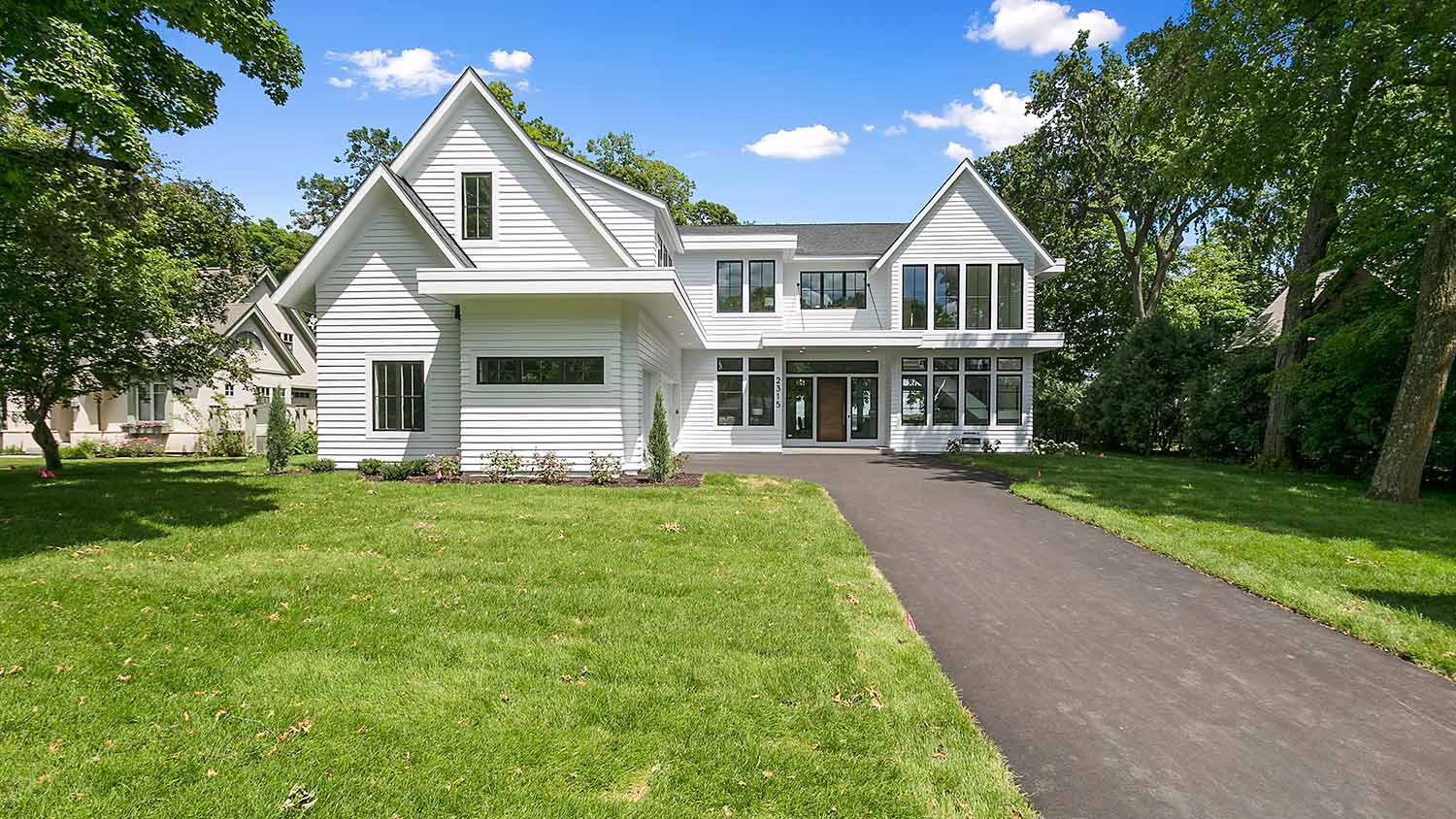
Not sure how much vinyl siding costs? To prepare your budget for an upcoming siding project, read on to learn about average supply and labor costs.
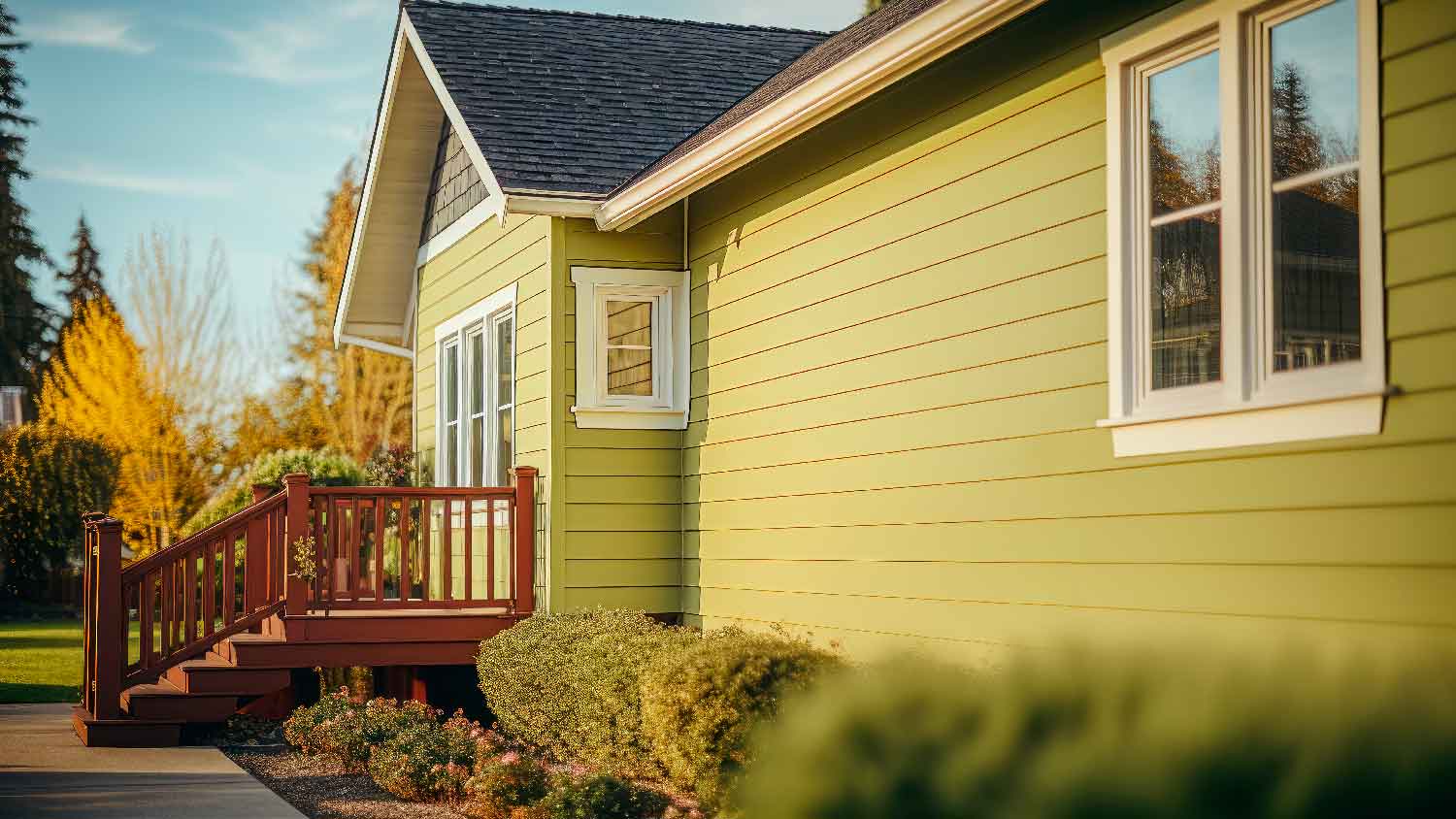
Insulated vinyl siding costs are about double traditional vinyl siding—but the energy savings are more than worth the investment. Learn more in our guide.
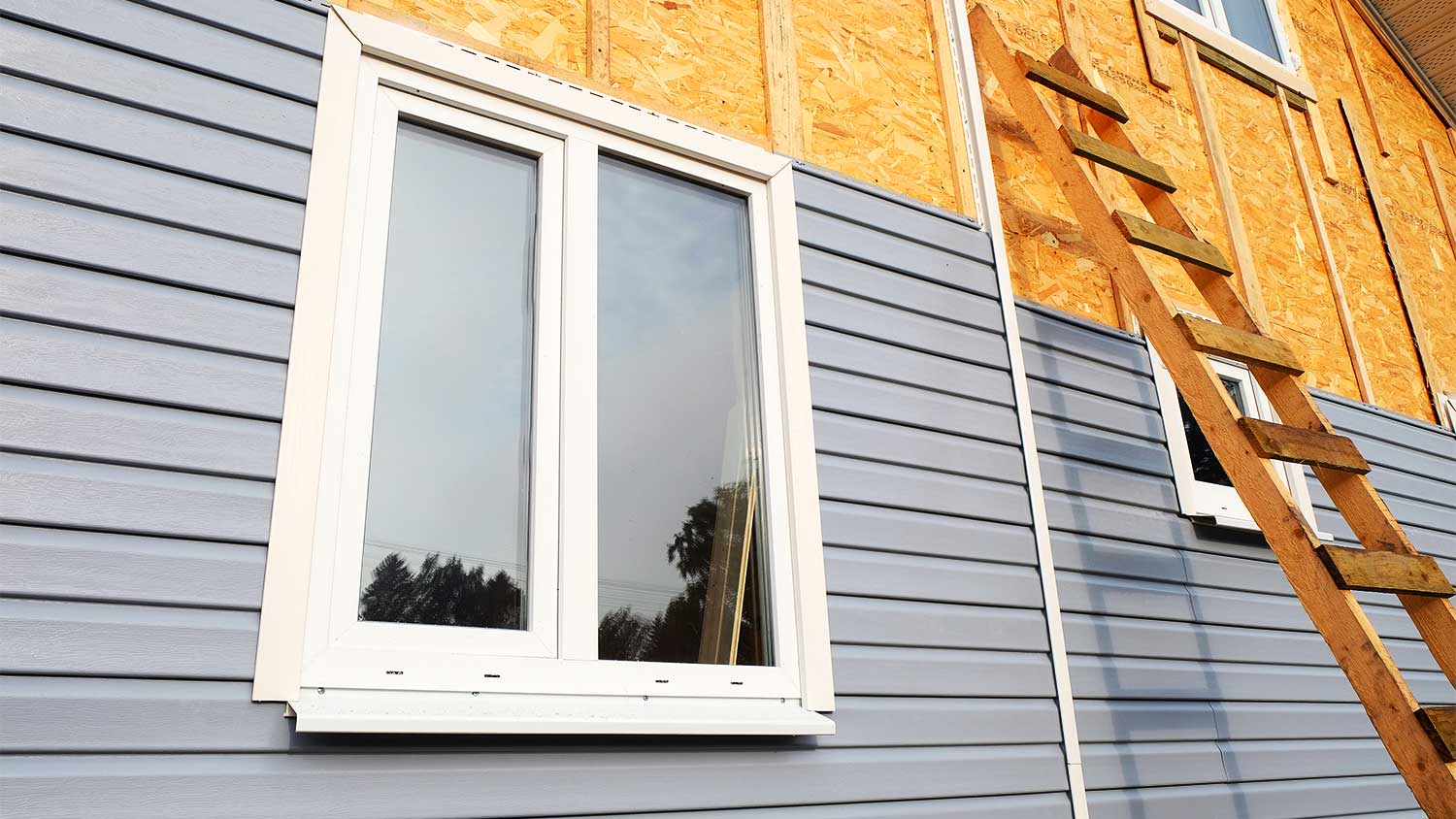
In this guide, we break down the strengths and weaknesses of the two most popular materials for home exteriors to help you choose the best one for your needs.
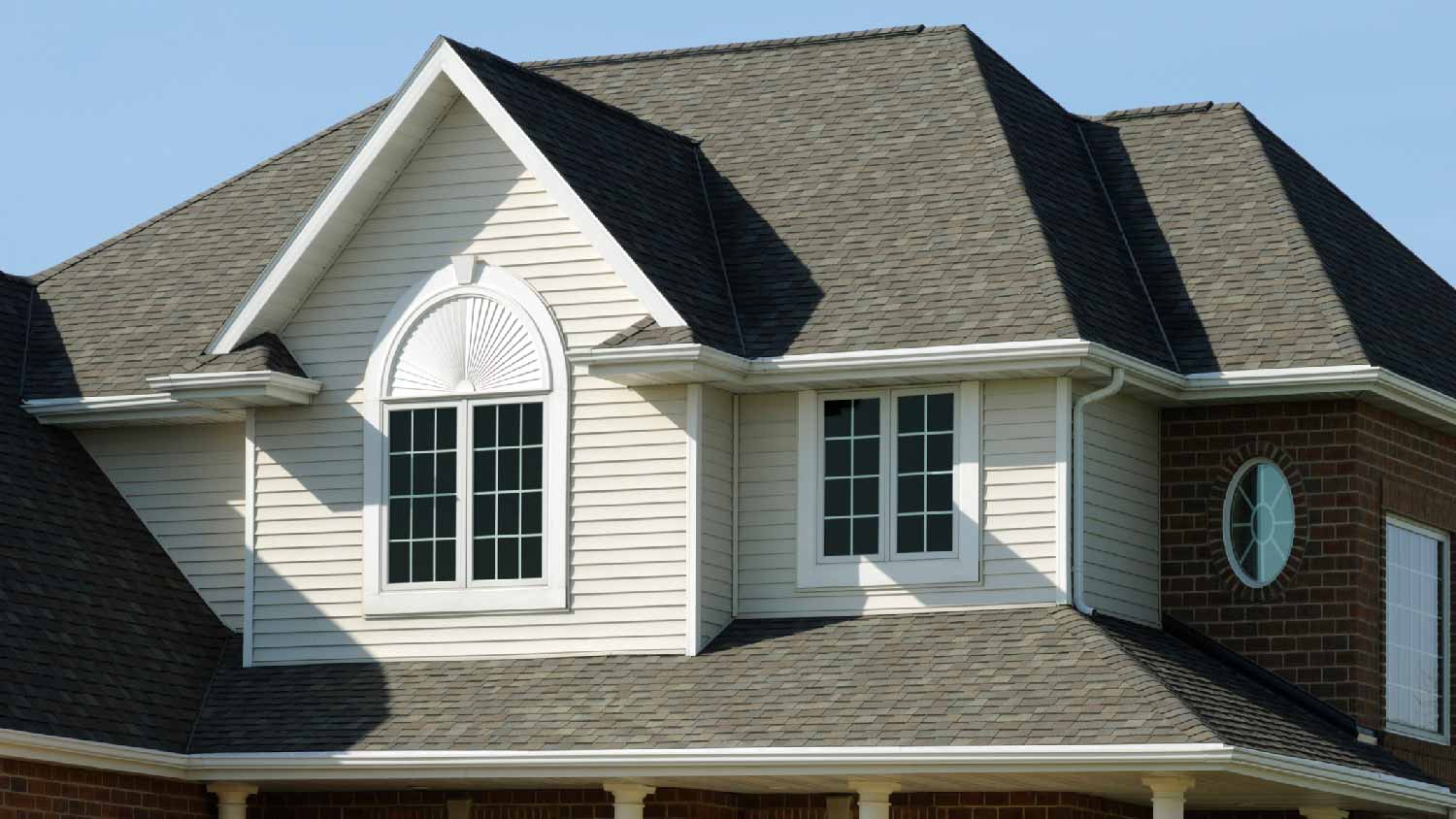
Not sure if it’s time to reface your home? Learn how long siding lasts, how to maximize the value you get, and signs you should replace it.
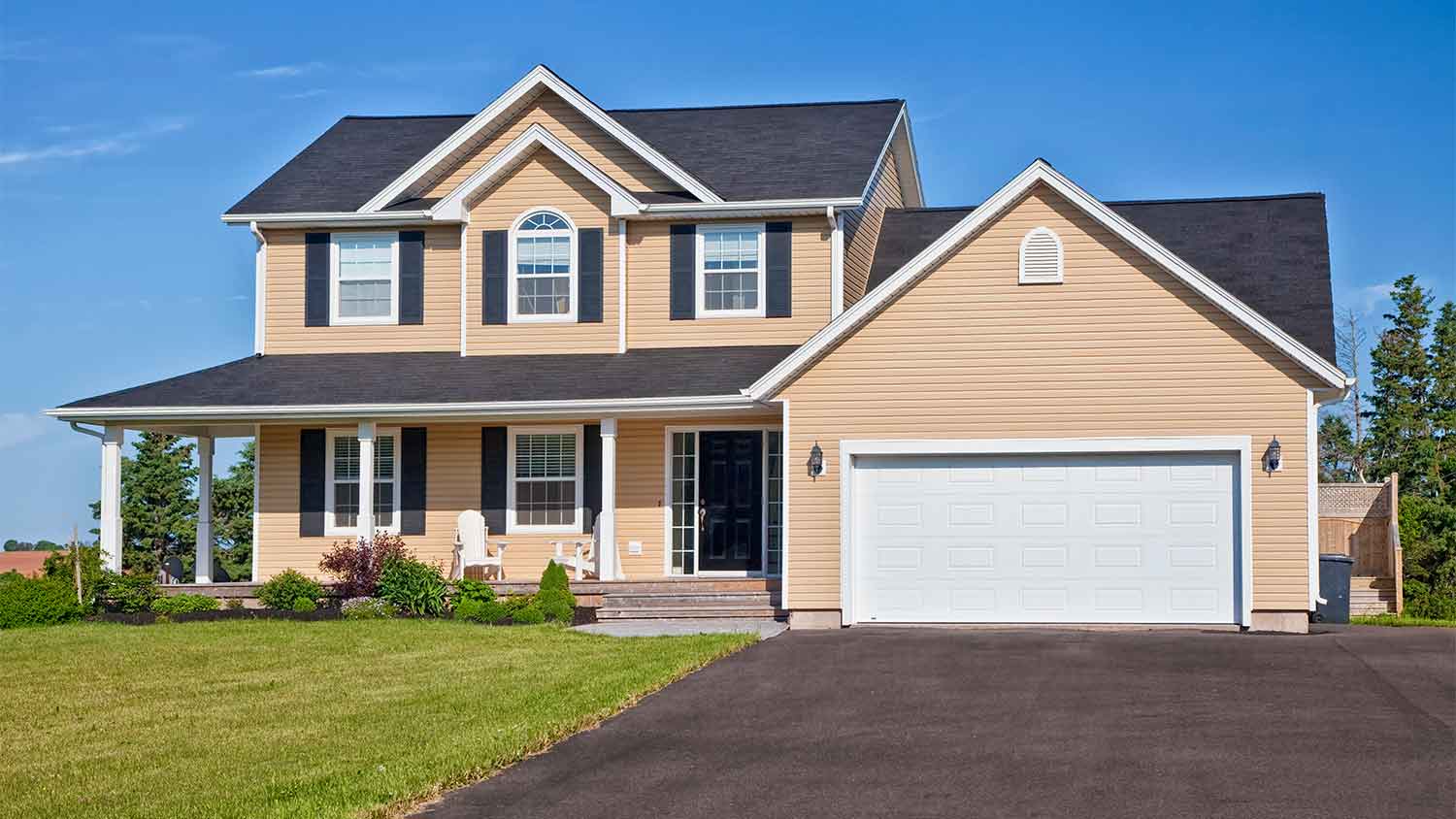
Knowing the differences between fiber cement and vinyl siding can help you choose the right one for your home. Our guide explores these two siding choices.