




Top-rated woodworkers.

Best woodworkers near Hope, AR

Enter your zip and get matched with up to 5 pros

Need a pro for your woodworking project in Hope, AR?

Select your specific project to find the pro for you.

Top-Rated Woodworkers in Hope - Updated Nov 2026

Avatar for Homemade Design
Homemade Design
3.7(
322
)
Furniture - Build Custom

Serving Hope, AR and surrounding areas

In business since 2006

Credit card accepted

"The man I talked to was very professional and timely. However, he explained that this particular job was beyond the scope of what their company does. I would certainly use them on another 'issue'.
"
Pennsylvania Master Bathroom
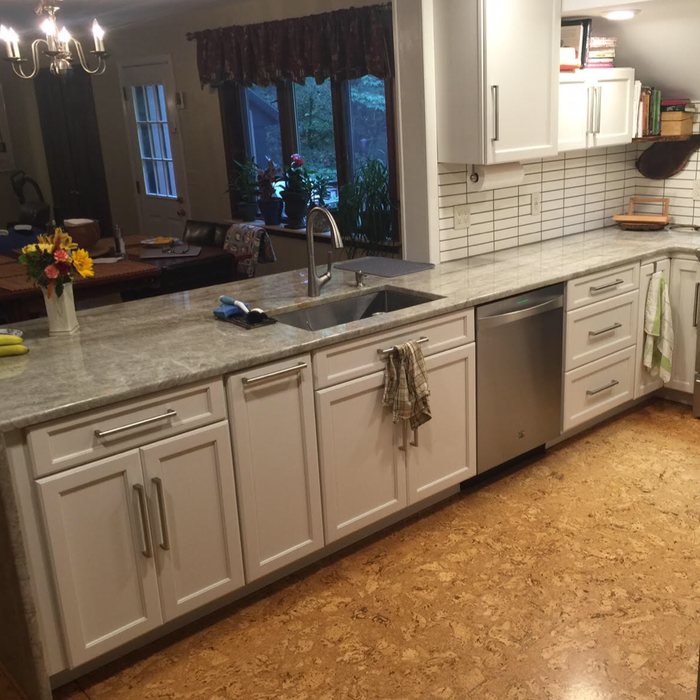
Boston Small Condo Kitchen
California Client Saves with HMD Designer Discounts
Recommended by54%of homeowners
D&J Services
4.8(
8
)
Carpentry Framing - RepairInterior Trim and Decorative Moldings - RepairWood Stairs and Railings - Repair

Serving Hope, AR and surrounding areas

In business since 2015

Free estimates

"They done a great job. First job they done scrapped and painted our 3 dining room windows. They done a really good job, they cleaned up after the job was finished and cleaned the windows too. The 2 job they did was to paint the back porch and laundry room. Both were professionally done a lot better than the contractor I hired before. Just give them a call. I think you will be satisfied. I know I am."
Recommended by60%of homeowners
...
Showing 1-10 of 66
Woodworking FAQs, answered by experts

Whether or not it’s easier to cut wood when it’s wet versus dry depends largely on the type of tool you use and the wood you’re cutting. For example, a chain saw should still be able to cut through wet wood with relative ease, but it may be more difficult to maneuver due to the wood fibers sticking to the chains of the saw. 

However, you might want to avoid cutting wood entirely when it’s wet if you’re pruning your tree. Sawing a wet tree that you don’t plan on removing can also encourage bacterial and fungal growth and decay.

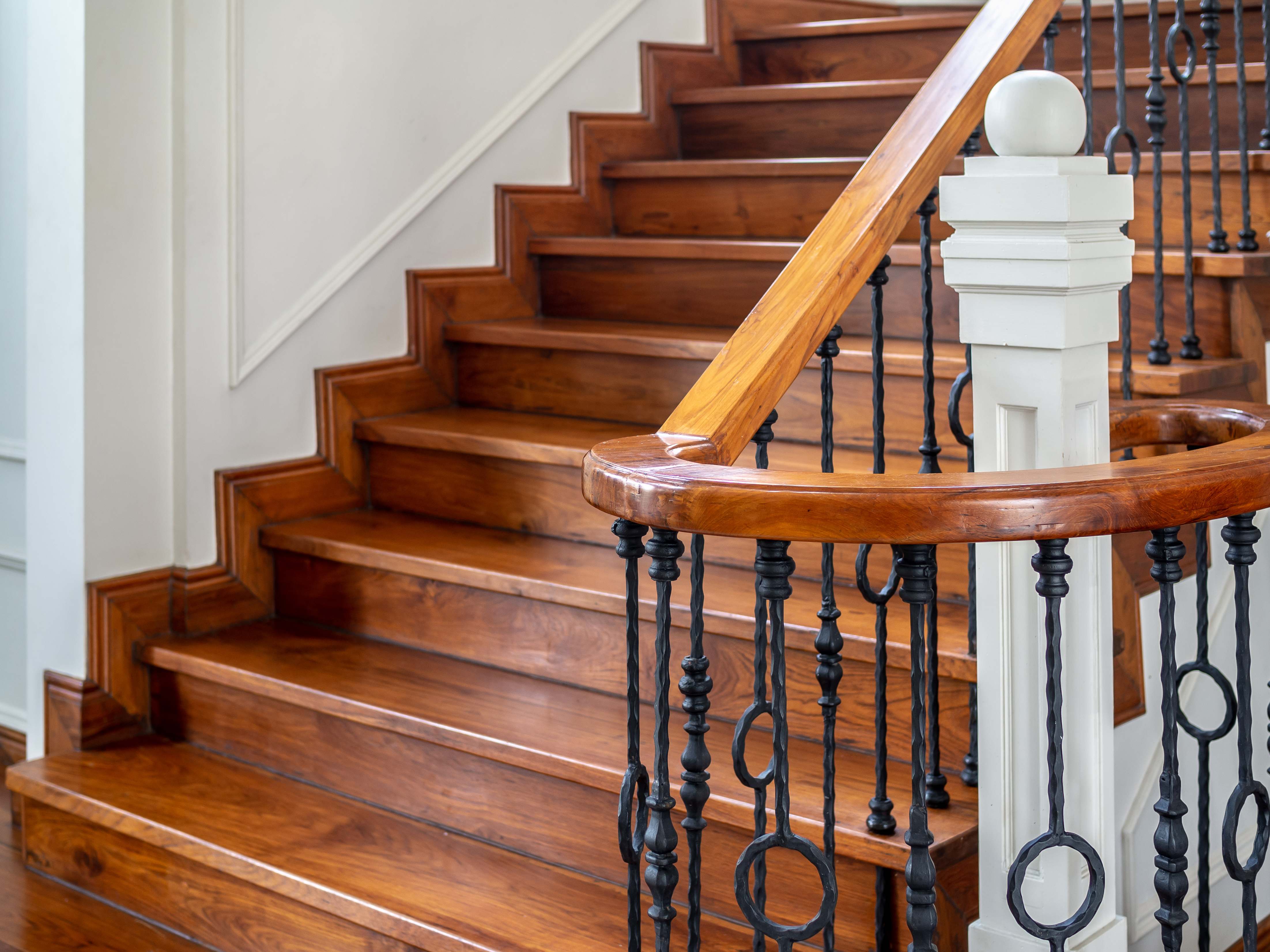
Many people, including professionals in the field, use baluster and spindle interchangeably to describe the vertical components of a railing (or technically, a balustrade). However, there are subtle or distinct differences, depending on who you ask. The most common interpretation is that spindles are thin or delicate versions of balusters.

If you don’t have a coping saw, you can use an angle grinder to cope crown molding, but it takes a little more precision. Place your molding down on your workbench, angle the grinder at a 45-degree angle toward the molding, and back cut the wood. You’ll need to carefully angle your grinder to accommodate the curves in the wood, and aim to remove around 1 inch from the profile of the molding.

Spindles on a deck may also be called balusters or pickets. While not as important to the structural support of the deck as the rail posts, they play a critical role in ensuring the deck is safe to use by closing in large gaps in the railing. For this reason, balusters must be no more than 4 inches away from one another.

While the Arts and Crafts movement inspired many architectural elements, the primary styles from the time include Craftsman, Tudor Revivals, bungalows, and Mission homes. You'll see elements of these styles in homes, churches, museums, and schools—particularly Country Day schools from the era.

The Hope, AR homeowners’ guide to woodworking services

From average costs to expert advice, get all the answers you need to get your job done.