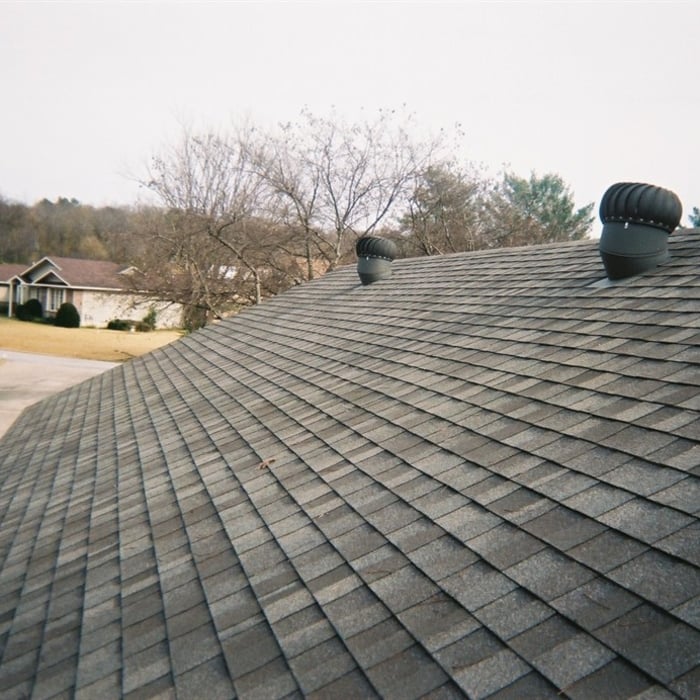
"Duraplex specializes in moisture protection - primarily foundations and roofs. But, Travas also does related work and was always focused on customer satisfaction. If he knows how to fix something, he will help you. If he doesn't, he will help you find a referral. Travas is thorough in his work and a nice person to do business with. I would recommend his company to anyone who needs help with foundation or roofing needs."
"Well, the first time the replacement was ordered it was the wrong one, which of course, delayed the installation a week. When it was finally installed I had to pay an additional $850 for code upgrades. This I was not informed of by Home Shield. Then we noticed that there was water on the garage floor and found that the pipe coming in from the wall was leaking at the wall so had to call the plumbing company back out to fix it. They first tried to say it was not their fault but since there wasn't a leak before they installed they did fix it. I have used Home Shield a few times before and never had a problem. Some of the companies they use are not the best so you have to research them before you commit. I have found HS service to be good if you do your homework. At the end of the day I was without hot water for almost 3 weeks but it was do to the plumbing company they sent out."
We are a family owned & operated business. We strive on customer satisfaction. We answer our own phones. No answering service. We know how valuable your time is. So we try our best to be available when time is right for you. We offer after hour appointments and weekend appointment. We have special offers all the time. Payment is due at time of service. We take visa and MasterCard. Additional phone number - (877) 957-3609, Additional email - [email protected]. Cost is determined by the job. We deliver and install transfer switches and generators. We have generator packages available, all sizes to fit your needs.
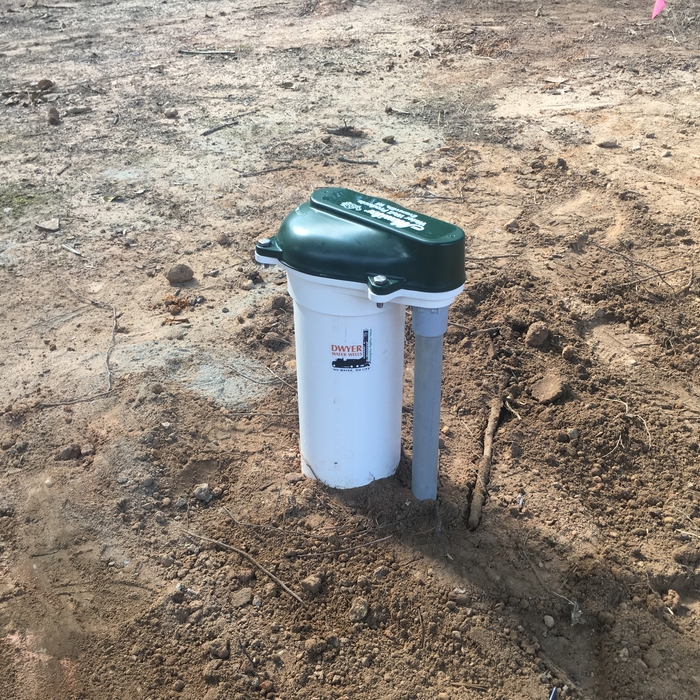
Welcome to Dwyer Water Wells! With over 20 years of experience in the industry, we take pride in the quality of work and customer satisfaction that we give each and every customer! A family owned and operated company, we are known to pay exquisite attention to detail while making customer satisfaction our top priority. We are competitively priced and offer some of the best discounts in the area. Dwyer Water Wells uses the latest technology and goes above and beyond to use the systems that are best suited for that landscape. We have completed several large commercial projects as well, with specific requirements for compaction and density. Call us today to learn more about how we can help you!
We're dedicated to providing our clients with the very best in service, installation, and repair for all phases of your water filtration needs. We specialize in a variety of residential and commercial services and take pride in the attention to detail put into each of the projects we're involved with. We're known for our quality work and the integrity of our business. We look forward to building long-term relationships with our clients, and guarantee your satisfaction.
The main difference between a water softener and a water filter is what they remove from the water. A water softener is specifically designed to remove hard minerals, while a filter removes a wider range of contaminants above a certain size, such as bacteria and other impurities. If your primary goal is to remove minerals, a softener is the best choice. If you want to remove various contaminants for safety or taste, a filter is more suitable. Filters are also typically less expensive to install. Depending on your water supply's specific issues, you may need to install both systems for comprehensive treatment.
A single shower consumes an average of over 17 gallons, while brushing your teeth with the water running uses up to four unnecessary gallons. Watering the lawn spreads hundreds of gallons of water across the yard each time. Limiting water usage in these areas can significantly cut down your water bill.
The primary difference between a water softener and a water filter lies in what they remove from the water. A water softener is designed to remove hard minerals like calcium and magnesium. In contrast, a water filter has a broader effect, removing various contaminants above a certain size, which can include bacteria and other impurities.
To decide which you need, consider your goal. If you want to eliminate hard minerals, choose a softener. If you want to remove a wide range of contaminants, a filter is the better option. Filters are also generally less expensive to install. Depending on your water supply, you may need to install both for comprehensive treatment.
You can decide whether you need a water softener or water filter based on how your bathing or laundry experience is. If you notice issues like limescale buildup, dry skin, or stains on dishes—all telltale signs of hard water—you'd likely benefit from a water softener. However, if your main concern is over chemicals or bacteria in your tap water filter, and not just comfort, a filter is a better option.
Selecting the right system depends on testing your water to understand the contaminants present and considering your household's water usage and specific needs, such as removing specific contaminants.
The Fouke, AR homeowners’ guide to water softener services
From average costs to expert advice, get all the answers you need to get your job done.
Water softeners work to remove unwanted minerals from hard water through a filtration and recharge cycle. Keep reading to learn how a water softener works.
There are four common softener alternatives available on the market today. We compare and contrast each one to help you find your best-fit solution in this blog.
Water softeners rid your home of hard minerals and, well, soften your water. Even better, the regeneration process is an automatic cycle that works when you’re least likely to use it.
Water softeners remove hard minerals from your tap water, improving plumbing systems and water-using appliances. Here are the most efficient water softeners out there.