






Top-rated heating and air conditioning pros.

Best heating and air conditioning pros near England, AR

Enter your zip and get matched with up to 5 pros

Need a pro for your heating and air conditioning service project in England, AR?

Select your specific project to find the pro for you.

TRUSTED BY ENGLAND, AR HOMEOWNERS

  • Average homeowner rating star icon3.7
    Average homeowner rating
  • Verified reviews icon12
    Verified heating and air conditioning services reviews

Top-Rated Heating and air conditioning pros in England - Updated Nov 2026

Avatar for Arledge home repair
Arledge home repair
New to Angi
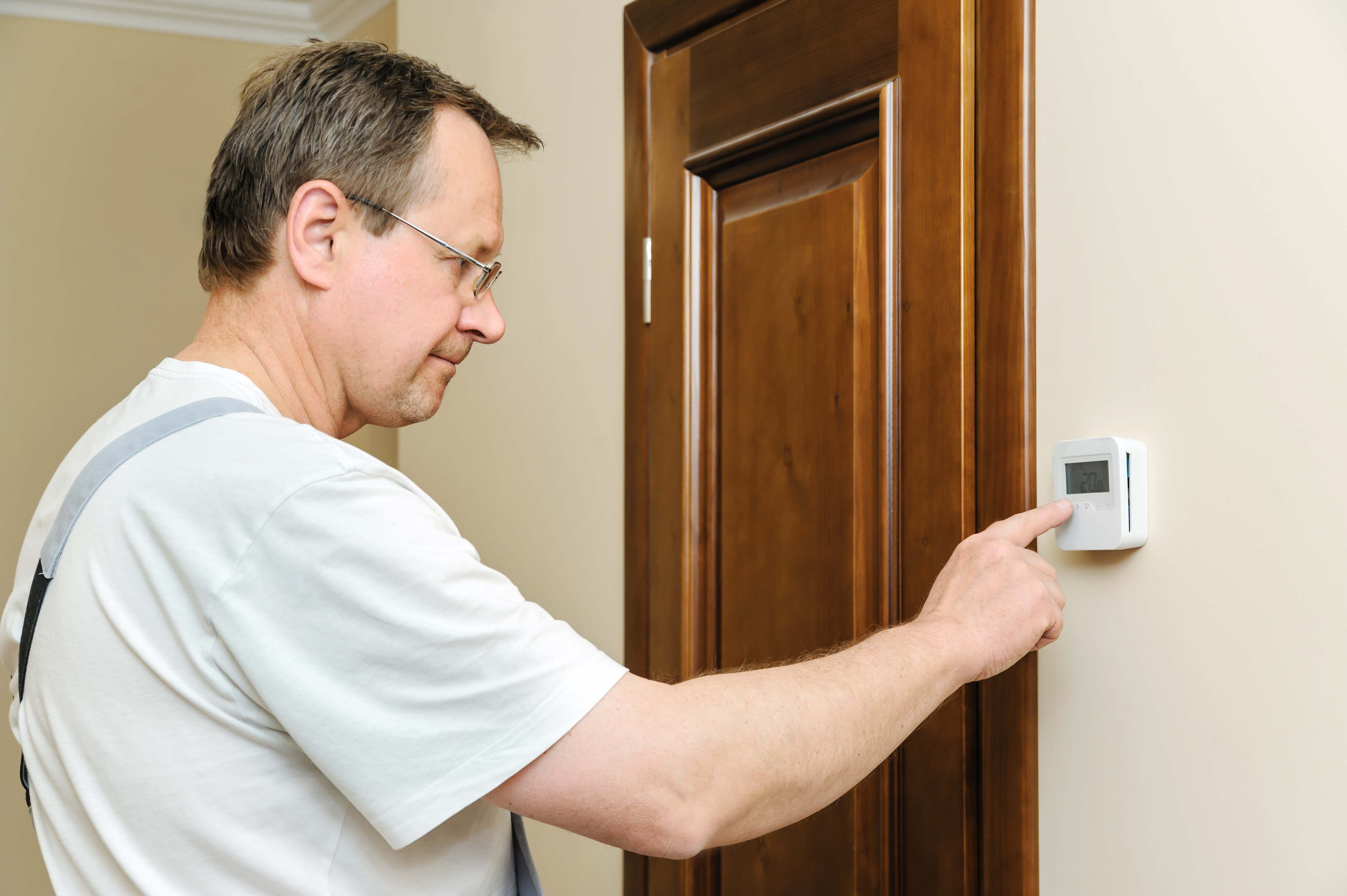
Air Ducts & Vents - CleanThermostat - Install or Replace

Serving England, AR and surrounding areas

Approved

Free estimates

Emergency services offered

Small jobs welcome

Hi! My name is Guage, and I provide reliable handyman and home repair services. I have experience with a wide range of residential repairs, including plumbing, electrical, HVAC, drywall, appliance repairs, general maintenance, and other odd jobs around the house.\n\nI take pride in doing things right, keeping my work clean, and treating every home like it’s my own. If you have something that needs fixed, repaired, installed, or just looked at, feel free to reach out. I’d be happy to take a look and give you an honest estimate.

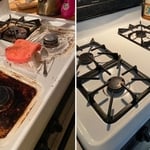
Master bathroom re-paint
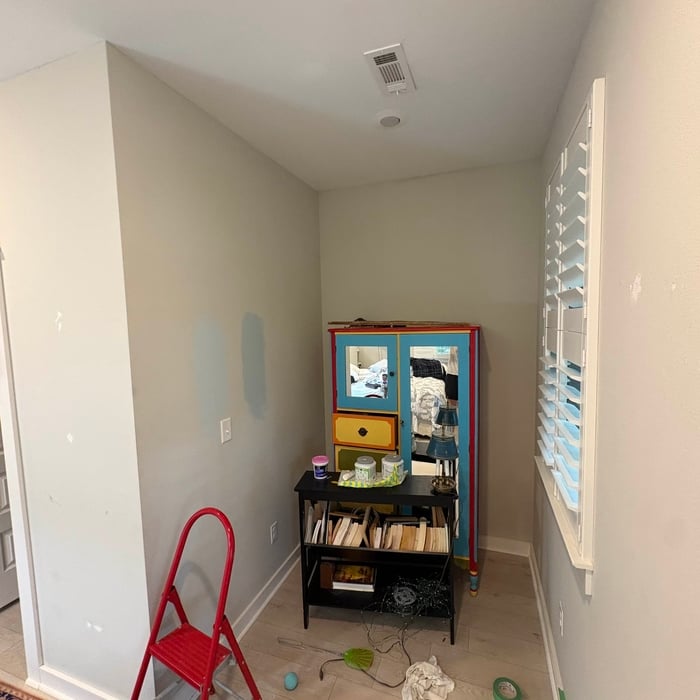
Master bedroom before
Master bedroom after
Master bedroom before

+9

2 neighbors recently requested a quote
...
Showing 1-10 of 121
Heating and Air Conditioning FAQs, answered by experts

The general rule of thumb for figuring out how much AC tonnage you need in your home is that for every 500 to 600 square feet of space you need to cool, you’ll need one ton of AC cooling power. So, a 1,000-square-foot home will need 2 tons of AC power. 

Yes, it is possible. An electrical fire can break out if the compressor has inadequate ventilation. When it overheats but doesn't have a proper thermal cutout, this can cause the motor to short-circuit and catch fire. This risk is exacerbated if flammable materials, like dust and fallen leaves, are clogging the unit. The compressor overheating won't start a fire by itself, but poor maintenance and installation can increase the risk once it hits its breaking point and short-circuits.

No, for two very important reasons. First, it’s illegal to release refrigerant into the air or ground since it can be toxic and cause environmental damage. Technicians typically pump old or extra refrigerant into separate tanks for special disposal. Second, without professional equipment to read refrigerant pressure and levels, plus the AC’s suggested requirements, it’s impossible to know if you’ve removed the right amount of refrigerant. Stay away from a DIY solution here and seek an expert with the right tools.

It all depends on the unit’s SEER (seasonal energy efficiency ratio). A higher SEER rating means better efficiency and lower costs for your energy bills. 

Take a look at the product you’re considering purchasing and compare it to other models to decide which one is affordable upfront but will keep your energy costs low over time.

The difference between a home surge protector and an HVAC surge protector is that an HVAC surge protector is designed to protect the components inside your HVAC unit while a home surge protector is installed near appliances and meant to protect your entire home. There are three tiers of whole-house surge protectors, and they are more expensive to install than HVAC surge protectors.

The England, AR homeowners’ guide to heating and air conditioning services

From average costs to expert advice, get all the answers you need to get your job done.