



Top-rated asphalt driveway pros.

Best asphalt driveway pros near El Dorado, AR

Enter your zip and get matched with up to 5 pros

Need a pro for your asphalt driveway service project in El Dorado, AR?

Select your specific project to find the pro for you.

Top-Rated Asphalt driveway pros in El Dorado - Updated Nov 2026

Precision Seal Coating and Striping
New to Angi
Asphalt SealingAsphalt Paving - Repair or Patch

Serving El Dorado, AR and surrounding areas

Approved

In business since 2021

Free estimates

Offers commercial services

We take great pride in our experience, expertise, quality and customer service that \nwe provide to meet your needs. It is our mission to provide excellent workmanship \nand complete customer satisfaction from start to completion of a project. \nIn order to understand the needs and expectations of our customers, \nwe take great care to work and communicate with every customer a professional manner. \nOur reputation is based on service, safety and quality, regardless of how large \nor small the job.
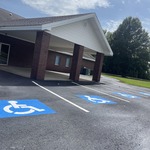
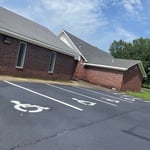
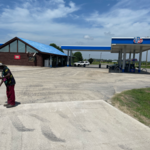
Church Parking Lot
2
3
4
5

+6

Response time2 days
Response rate90%
31 neighbors recently requested a quote

Coster Landscaping, sprinkler, and Construction
5.0(
3
)
Brick and Stone Driveways & Floors - InstallInterlocking Pavers for Driveways & Floors - Install

Serving El Dorado, AR and surrounding areas

In business since 1991

Free estimates

Emergency services offered

"

He arrived on time had was completely familiar with my sprinkler system. Made the necessary

repairs replaced the control box within an hour. He also walked me through the system so I

could understand how to operate it. Extremely helpful.


"
Recommended by100%of homeowners
Showing 1-10 of 29
Asphalt Driveways FAQs, answered by experts

Three inches is a great thickness for a residential asphalt driveway that sees minimal to moderate traffic from cars, SUVs, and pickup trucks. However, a thicker driveway can better withstand the weight of a heavier vehicle, such as a trailer or a recreational vehicle. If you drive a heavy vehicle on a thin driveway, you risk cracking and damaging it.

Wet cutting is usually the preferred method. It controls dust, which helps protect your lungs and makes for a cleaner working environment. Plus, the water cools the blade, preventing overheating and prolonging its life while providing smoother, more precise cuts. The downside is the mess—water and asphalt sludge can be messy to clean. Dry cutting, though convenient if water isn’t available, creates a lot of dust, which can be harmful. This also increases the risk of blade damage due to overheating. So, if you have the option, wet cutting is the better method for most asphalt jobs.

New asphalt goes through two stages: drying and curing. Drying typically takes 24 to 72 hours, after which the surface is solid enough for light use like walking or careful driving. While you may be able to park on it after 72 hours, the surface is still soft and should be treated gently. Full curing is a much longer process, taking anywhere from 30 days to a full year for the asphalt to reach maximum strength. During this extended curing period, the asphalt is susceptible to damage from heavy vehicles, sharp objects, and high temperatures. Factors like weather, the specific asphalt mix, and application thickness all influence drying and curing times. For the most accurate timeline and to ensure the longevity of your new asphalt, it is always best to consult with your installation contractor for their specific recommendations.

The choice between asphalt and concrete depends on your priorities, budget, and climate.

Concrete is generally more durable, lasting up to 50 years with minimal upkeep, and offers more customization options like staining and stamping, which can add more to a home's value. However, it is more expensive upfront and can be prone to cracking in cold climates where water can freeze and expand.

Asphalt is typically cheaper and quicker to install and is easier to repair. It performs better in colder climates. However, it requires more maintenance, including regular resealing, has a shorter lifespan, and can get hot and sticky in intense sunlight.

Ultimately, if durability and long-term value are key, concrete is often the better choice. If upfront cost and performance in cold weather are more important, asphalt may be preferable.

Several materials are suitable for steep driveways. Gravel and crushed stone are affordable options that provide good traction. Permeable pavers—such as plastic, rubber, or concrete—filled with gravel or crushed stones are also excellent, as they allow water to drain without causing erosion and perform well in ice and snow. Another option is resin, which can be coated with an anti-slip finish and helps prevent puddles. For added stability, you can install a retaining wall to prevent pavers and gravel from shifting over time.

The El Dorado, AR homeowners’ guide to asphalt driveway services

From average costs to expert advice, get all the answers you need to get your job done.