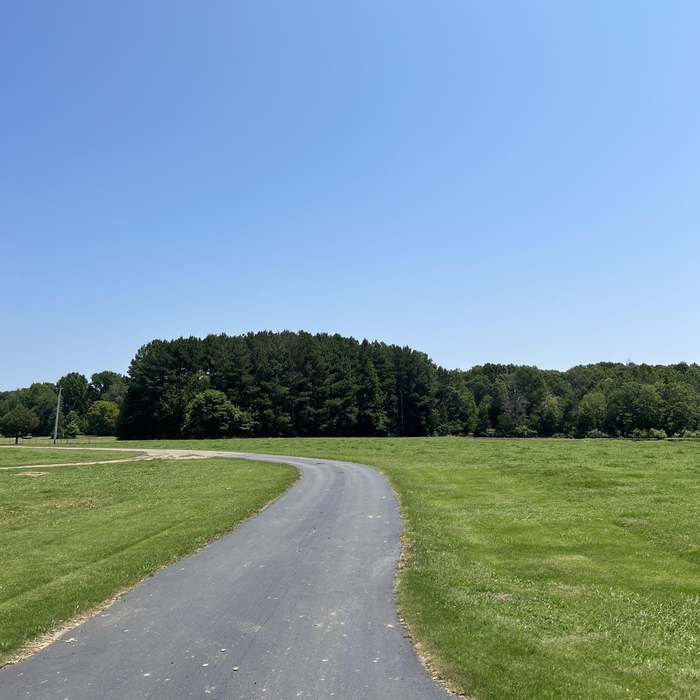




Top-rated asphalt driveway pros.

Get matched with top asphalt driveway pros in Crossett, AR

Enter your zip and get matched with up to 5 pros

Need a pro for your asphalt driveway service project in Crossett, AR?

Select your specific project to find the pro for you.

Find Asphalt driveway pros in Crossett

Precision Seal Coating and Striping
New to Angi
Asphalt SealingAsphalt Paving - Repair or Patch

Serving Crossett, AR and surrounding areas

Approved

In business since 2021

Free estimates

Offers commercial services

We take great pride in our experience, expertise, quality and customer service that\nwe provide to meet your needs. It is our mission to provide excellent workmanship\nand complete customer satisfaction from start to completion of a project. \nIn order to understand the needs and expectations of our customers,\nwe take great care to work and communicate with every customer a professional manner.\nOur reputation is based on service, safety and quality, regardless of how large\nor small the job.
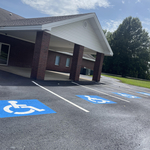
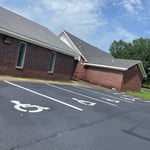
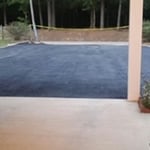
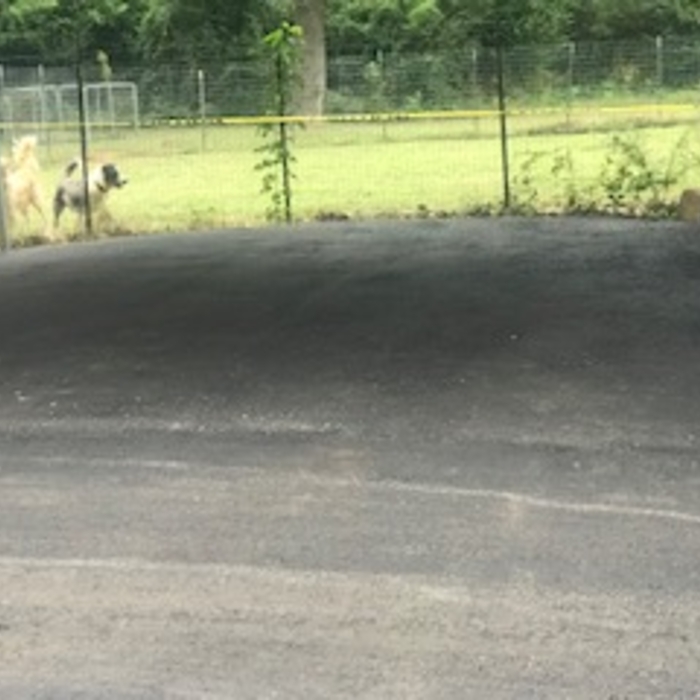
Church Parking Lot
2
3
4
5

+6

Response time2 days
37 neighbors recently requested a quote
Coster Landscaping, sprinkler, and Construction
5.0(
3
)
Brick and Stone Driveways & Floors - InstallInterlocking Pavers for Driveways & Floors - Install

Serving Crossett, AR and surrounding areas

In business since 1991

Free estimates

Emergency services offered

"

He arrived on time had was completely familiar with my sprinkler system. Made the necessary

repairs replaced the control box within an hour. He also walked me through the system so I

could understand how to operate it. Extremely helpful.


"
Recommended by100%of homeowners
Showing 1-10 of 21
Asphalt Driveways questions, answered by experts

The choice between asphalt and concrete depends on your priorities, budget, and climate.

Concrete is generally more durable, lasting up to 50 years with minimal upkeep, and offers more customization options like staining and stamping, which can add more to a home's value. However, it is more expensive upfront and can be prone to cracking in cold climates where water can freeze and expand.

Asphalt is typically cheaper and quicker to install and is easier to repair. It performs better in colder climates. However, it requires more maintenance, including regular resealing, has a shorter lifespan, and can get hot and sticky in intense sunlight.

Ultimately, if durability and long-term value are key, concrete is often the better choice. If upfront cost and performance in cold weather are more important, asphalt may be preferable.

Overall, a paver driveway is considered the easiest to maintain because homeowners are able to do driveway repair one piece at a time without impacting the rest of the driveway. Unlike paved options, paver driveways contain individual stones that aren't physically connected. By comparison, you may need to reseal or redo a full asphalt driveway if just one portion sustains a significant crack.

Yes, it is possible to pave over an existing driveway, but whether it's the right choice depends on several factors. If the underlying structure of your current driveway is still strong, concrete or asphalt resurfacing can be a cost-effective way to prolong its life. However, if your driveway has significant issues like potholes, deep cracks, or other inconsistencies, it is best to remove the old driveway and start from scratch. Key factors to consider include the current driveway's condition, the compatibility of the new material, the added thickness and height, and the necessary surface preparation.

It takes recycled asphalt 48 hours to initially harden and up to 3 months to fully cure. It’s best to stay off of recycled asphalt for at least 48 hours, then you can walk or drive standard vehicles on it. Hold off on driving heavy trucks or equipment on it for at least 7 days. Allowing the surface to melt together and harden ensures that the surface stays durable and long-lasting. 

If you’re looking for a similar, eco-friendly driveway material, you might consider one of these options:

  • Permeable pavement: This material is sometimes called “pervious” or “porous” pavement; it allows stormwater to drain into the subbase, eliminating storm drain costs. 

  • Gravel: Consider paving your driveway with locally sourced gravel. By sourcing from a nearby source, your money won’t fund international shipping and will be invested back into your local community.

  • Natural stone pavers: Because natural stone pavers are made from organically-produced stone, there’s no new manufacturing required, limiting the environmental impact. In addition, water easily flows and drains through the gaps in the pavers.

The Crossett, AR homeowners’ guide to asphalt driveway services

From average costs to expert advice, get all the answers you need to get your job done.