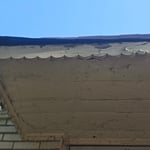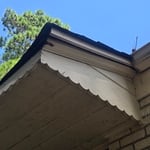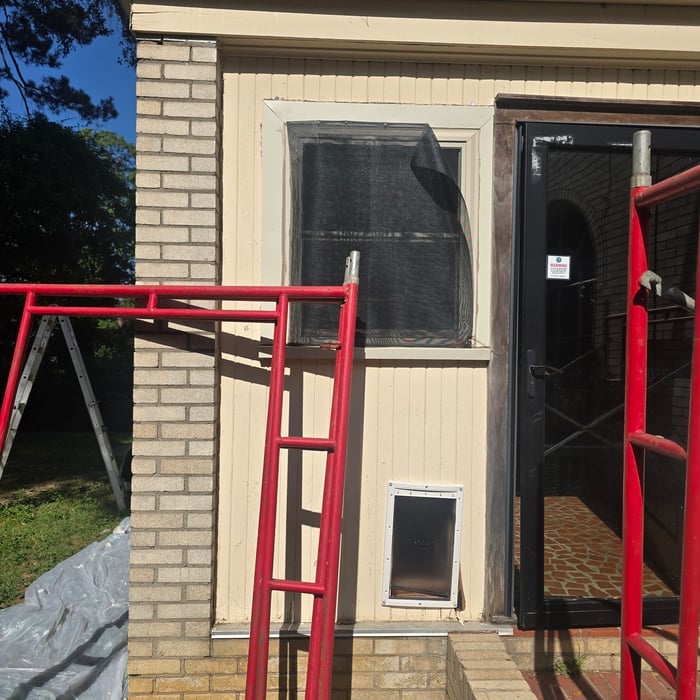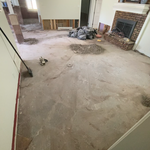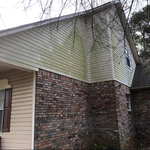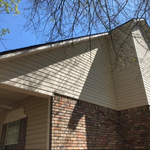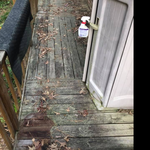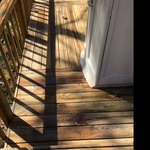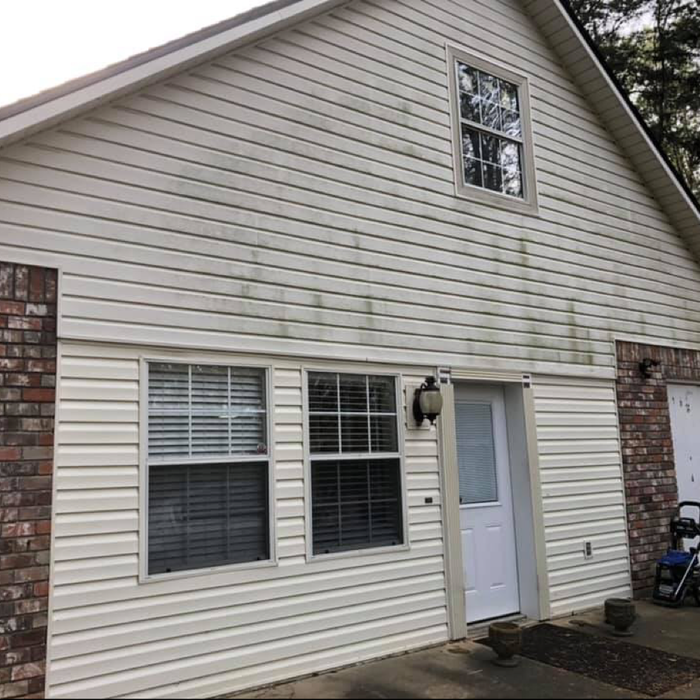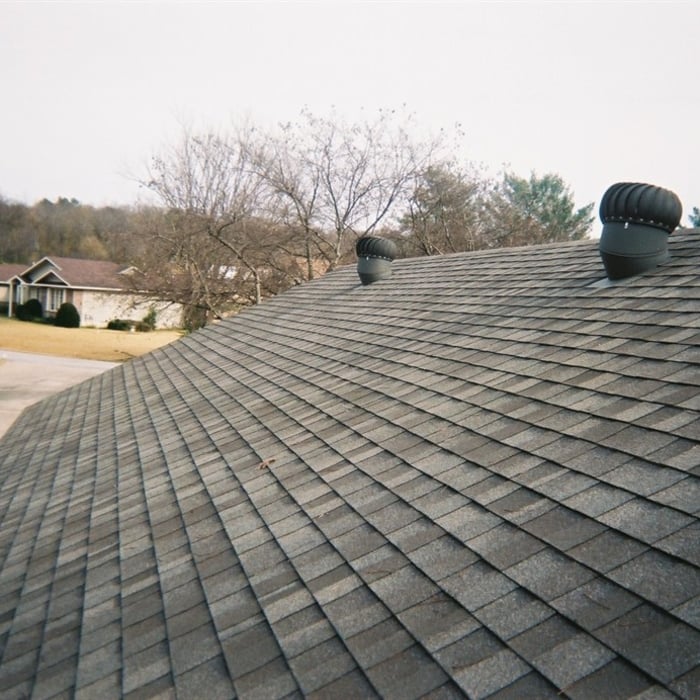




""The project was top notch. Not only did they consistently show up on time, but they finished the project early and were willing to reschedule the final walk-through multiple times to accommodate our schedule. Final project turned out great!""
"his crew was here 30 minutes early stayed till the job was done. his crew was very professional and courteous did an excellent clean up after the job We are more than satisfied and would highly recommend Travis and the guys with Duraplex very reasonably priced and very high quality materials and workmanship "
"My inquiry was responded to quickly and they were able to work around my schedule. Looks brand new. The results were beautiful. They showed up on time and were respectful of the property."
"Mr Fix It did a great job finishing a couple simple repairs that I could not do myself since I live out of State. When you manage properly from 3 States away, you need a good Handyman to take care of your tenants needs."
The problems with composite decking include a high rate of expansion and contraction from temperature swings. This characteristic can cause boards to split, delaminate, or peel. In addition, significant movement can cause shrinking, warping, twisting, and bending. For this reason, you should minimize moisture and ensure proper airflow below your deck.
Homeowners should build their floating decks at least 18 inches off the ground. Having it at this height will allow for better airflow underneath and help prevent moisture-related problems like warping or rot. That being said, local guidelines for deck heights may vary depending on where you live.
There are several methods for attaching stair stringers to a deck. The best way is to bolt the stringers to the deck joists using three carriage bolts in a triangular pattern. This method offers the sturdiest fit for stairs that won’t budge. Alternatively, attach the stringers to the deck rims using lag bolts or to the posts using adjustable slope hangers.
Deck boards should be spaced no more than three-eighths of an inch apart. This is enough space to allow water and small debris to pass through without collecting on the surface, but not enough to create a tripping hazard. Certain materials, like pressure-treated wood, shrink over time, so they may need less space at installation.
The average cost to professionally clean or pressure wash a deck is around $150, with prices typically ranging from $100 to $600. Several factors influence the final price, including the deck's size, material, condition, and how long it has been since its last cleaning. For a smaller deck of about 300 square feet, you might pay around $100. For a larger deck of 1,000 square feet or more, the cost could be closer to $300 to $400. Decks that are very dirty or haven't been cleaned in years may require more time and special detergents, which will increase the price. The deck's material also plays a role. Wood decks often cost more to clean because they require a gentle power washing technique to avoid damage. Composite decks are typically less expensive to clean, and cleaning a metal deck may cost around $100.
The El Dorado, AR homeowners’ guide to deck maintenance services
From average costs to expert advice, get all the answers you need to get your job done.
The cost to paint a pool deck depends on the dimensions and material, the type of paint, and whether you DIY. Read on to help determine a project budget.
Discover steel deck framing costs, including material, labor, and installation factors. Learn how to budget and choose the best option for your home project.
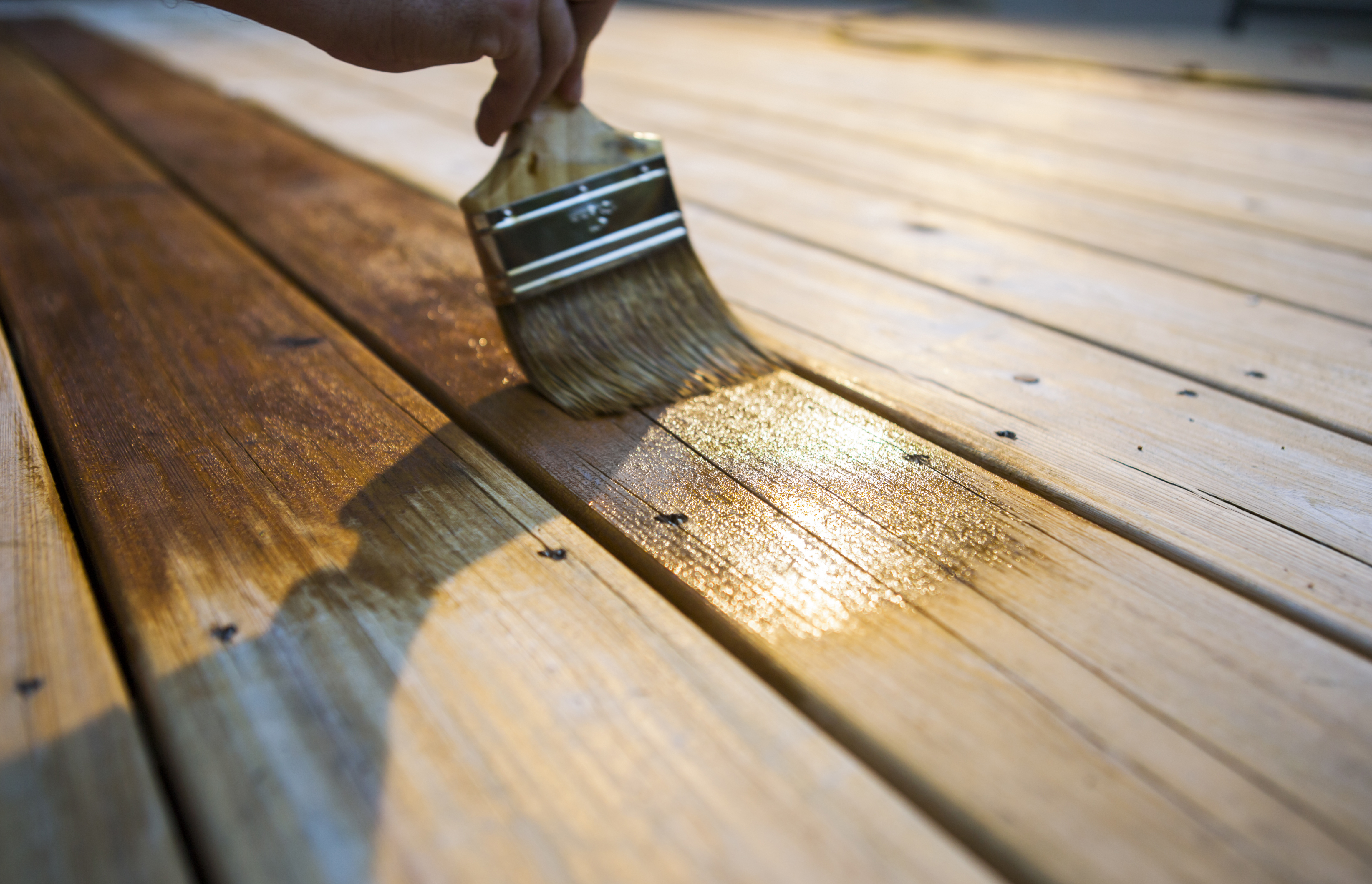
Deck maintenance is vital to protecting a wooden deck. Cleaning, staining and sealing a deck after pressure washing will add years to its lifespan. Protect a deck by following these deck maintenance tips for cedar and other types of wood materials.
Finding maintenance-free decking that works for your home, budget, and lifestyle can be challenging. This guide lists the 7 best low-maintenance deck materials.