




Top-rated asphalt driveway pros.

Get matched with top asphalt driveway pros in Homer, LA

Enter your zip and get matched with up to 5 pros

Need a pro for your asphalt driveway service project in Homer, LA?

Select your specific project to find the pro for you.

Find Asphalt driveway pros in Homer

Avatar for Pavement Maintenance Unlimited, LLC
Pavement Maintenance Unlimited, LLC
4.8(
4
)

Serving Homer, LA and surrounding areas

Approved

In business since 1997

Free estimates

Credit card accepted

"Mike R was a delight to work with. Answered all calls and texts promptly, honest and experienced. His crew was fantastic. They were professional, courteous and hardworking. They had to adjust to using their equipment in a tight space and did it with ease. The job encountered an obstacle and Mike stuck to our agreed budget and fixed the problem. Such a pleasure to work with overall and the driveway looks great. Very happy customer"
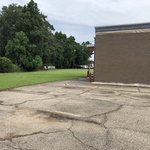
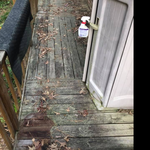
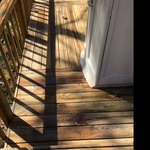
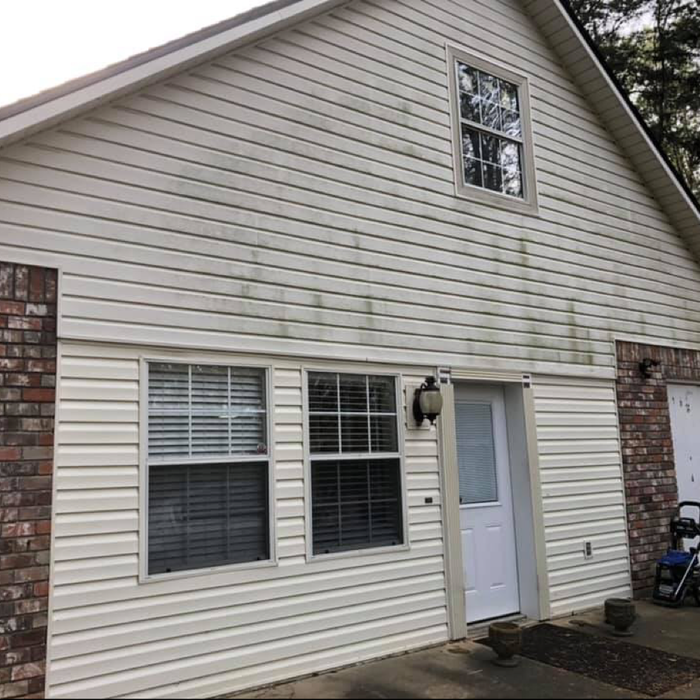
Side Lot
Front Lot
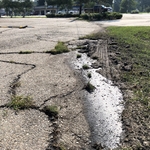
Shoulder
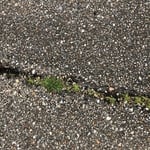
Unprepared Crack
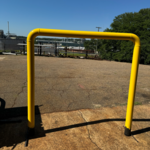
Shoulder

+8

Response time4 days
Recommended by100%of homeowners
Showing 1-10 of 36
Asphalt Driveways questions, answered by experts

The driveway apron is a technical term referring to where a private driveway meets the public street. If there is a sidewalk in front of the house, the driveway apron is typically on the opposite side of the public sidewalk from the driveway itself.

The three most common types of asphalt are hot asphalt, MC cold mix, and UPM asphalt. Hot asphalt is used most often for paving and patching roadways while it’s hot and workable. MC cold mix asphalt cures more slowly than hot asphalt, but it can be used for temporary patches and repairs in low-traffic areas. UPM is also used cold, but it can be used as a longer-term fix, usable in almost any conditions at almost any temperature.

Asphalt and tarmac are not the same thing. Traditional tarmac, short for tarmacadam, uses tar as a binder to hold crushed stone together. Asphalt uses bitumen—a byproduct of crude oil—to bind aggregate. Though tarmac was once a go-to for roads, asphalt has become the modern standard. And these days, most surfaces referred to as “tarmac” are actually asphalt. So, while the names may overlap, the key distinction lies in the binder—tar for tarmac and bitumen for asphalt.

A driveway approach is the part of a driveway where the public road meets the private driveway. This section contains several key elements, including the driveway apron, the curb cut, and the end slope. Depending on the slope of the driveway, this area may also contain the trench drain.

New asphalt goes through two stages: drying and curing. Drying typically takes 24 to 72 hours, after which the surface is solid enough for light use like walking or careful driving. While you may be able to park on it after 72 hours, the surface is still soft and should be treated gently. Full curing is a much longer process, taking anywhere from 30 days to a full year for the asphalt to reach maximum strength. During this extended curing period, the asphalt is susceptible to damage from heavy vehicles, sharp objects, and high temperatures. Factors like weather, the specific asphalt mix, and application thickness all influence drying and curing times. For the most accurate timeline and to ensure the longevity of your new asphalt, it is always best to consult with your installation contractor for their specific recommendations.

The Homer, LA homeowners’ guide to asphalt driveway services

From average costs to expert advice, get all the answers you need to get your job done.