

Top-rated outdoor kitchen pros.

Best outdoor kitchen pros near Corning, AR

Enter your zip and get matched with up to 5 pros

Need a pro for your outdoor kitchen service project in Corning, AR?

Select your specific project to find the pro for you.

Top-Rated Outdoor kitchen pros in Corning - Updated Nov 2026

Outdoor Kitchens FAQs, answered by experts

The best types of wood for outdoor kitchen cabinets are those naturally resistant to weather, water, heat, fading, and mold or mildew. Excellent choices include teak, mahogany, white oak, and Brazilian walnut. It's best to avoid softwoods like pine and cedar, as they are more susceptible to damage and can catch fire easily. For extra protection, ensure the wood is pressure-treated. Regardless of the wood you choose, you will need to apply sealants, oils, and stains regularly to protect your cabinets from the elements.

A fireplace is, by definition, an enclosed space where you burn wood or other fuel for the purpose of generating light and heat. A firepit burns wood and is much less expensive to build, but they aren’t technically a fireplace as it isn’t enclosed. An outdoor oven—commonly outdoor brick pizza ovens—often uses wood as fuel, but its primary purpose is to cook food, and you’d rarely just burn wood inside them for warmth or aesthetic reasons.

The best height for a pizza oven is one that allows the user to easily see what’s going on inside and comfortably place pies without having to crouch over. In general, that means the opening should be between 36 and 48 inches off the ground. By contrast, the height of the dome is totally up to your preference, because different heights create different results. Shorter domes are better for creating Neapolitan-style pies, whereas taller domes are ideal for NY-style recipes.

Your maintenance needs revolve around the type of foundation you choose, as well as how you furnish or decorate it. Patios require little else other than the occasional hose-down, but decks and other wooden structures will require annual power washing and sealing. You may also need to restain the wood every two to three years.

Adding a solid roof rather than building a pergola or leaving the space open will make maintenance much easier. Without a roof, you will need to spend more time sweeping, washing, and covering your furniture to protect it from UV bleaching.

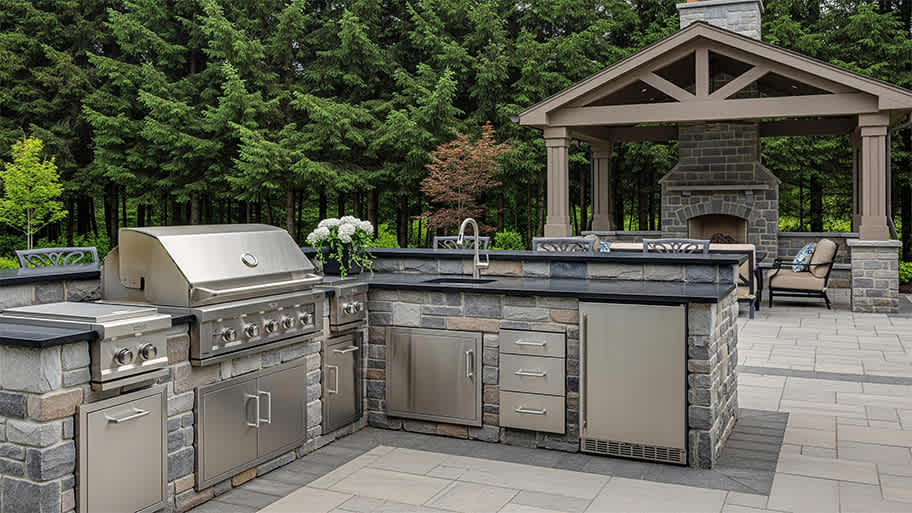
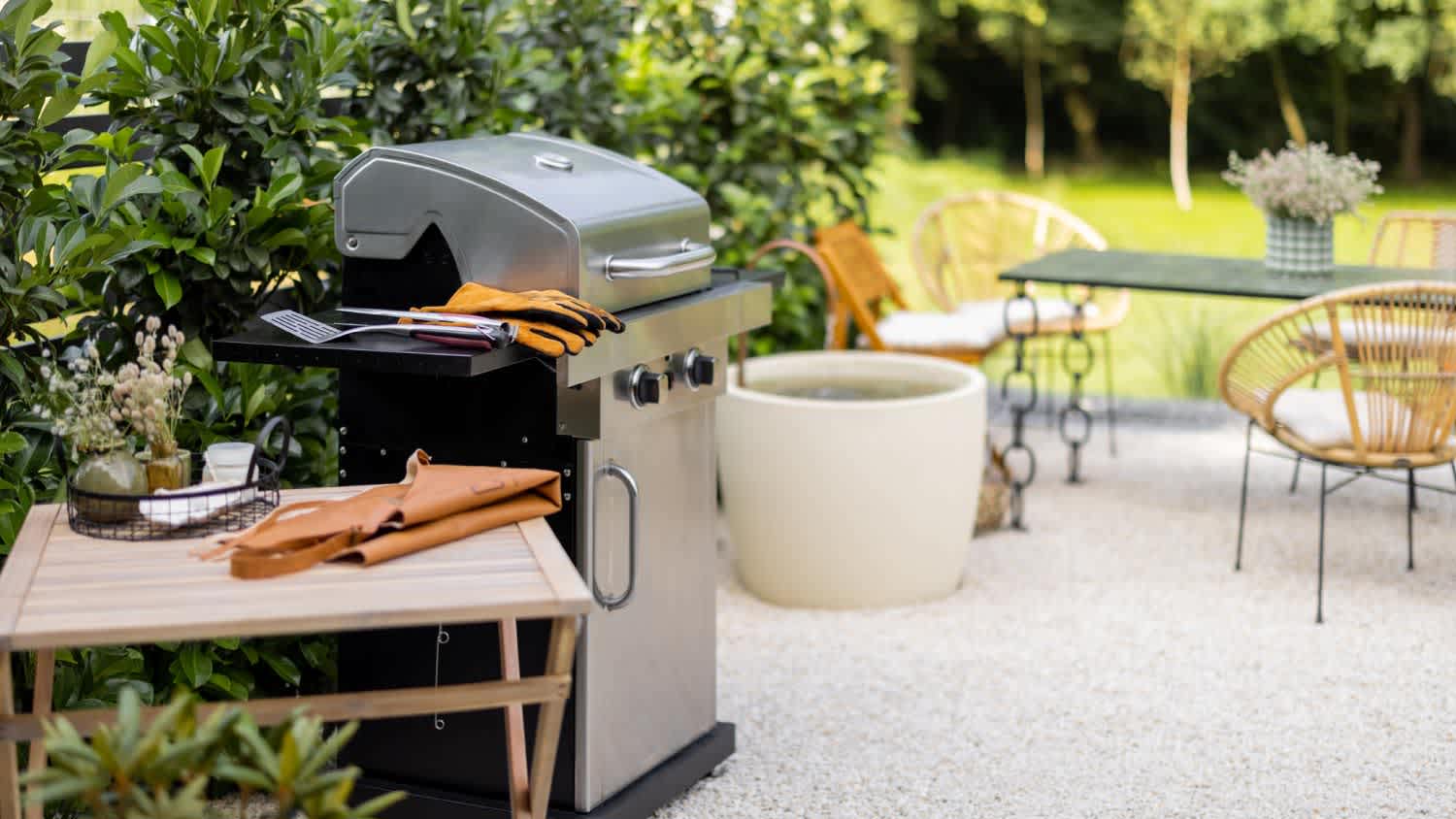
The difference between a built-in and regular grill is installation and design. A built-in grill is integrated into an outdoor kitchen or structure, often within a countertop or island. It is a permanent fixture. A regular grill is standalone, portable, or cart-mounted, allowing mobility and versatility in placement. Built-in grills are typically larger with more cooking space, while regular grills come in various sizes. Built-in grills are favored for creating a custom outdoor cooking area, while regular grills provide convenience and flexibility.

The Corning, AR homeowners’ guide to outdoor kitchen services

From average costs to expert advice, get all the answers you need to get your job done.