



Top-rated energy efficiency auditors.

Get matched with top energy efficiency auditors in Corning, AR

Enter your zip and get matched with up to 5 pros

Need a pro for your energy efficiency auditing project in Corning, AR?

Select your specific project to find the pro for you.

Find Energy efficiency auditors in Corning

Avatar for ADT Solar
ADT Solar
4.4(
111
)
Energy Audit - For BusinessHome Energy Audit

Serving Corning, AR and surrounding areas

In business since 2008

Free estimates

Warranties offered

"Rep. checked entire system. He found several wires not connected properly and fixed this. He also made recommendations regarding the attachment of the panels to the rood that would provide more stability and leakproofing. The representative appeared to know what he was doing - much better than others, including the representative who was engaged by the roofer (who replaced our rood due to hail damage) to disconnect/connect the panels."
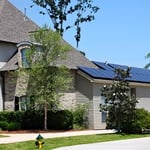
11 kW PV Installation
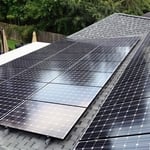
5 kW PV Installation
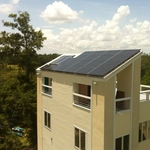
9.5 kW PV Installation
Recommended by89%of homeowners

Energy Efficiency Auditing questions, answered by experts

Yes, most audits include a report with prioritized recommendations for improving energy efficiency. Confirm with your auditor.

While many states require all new construction to undergo blower door tests, it’s not a requirement for existing homes. But in both cases, a blower test helps confirm that the contractor has sealed the exterior, that the type of ductwork installed is functioning properly, and that your home is as efficient as possible.

Modern windows provide enhanced UV protection, improved heat retention, and cooling efficiency, contributing to overall household energy savings.

Yes, skylights can affect a home’s energy efficiency, either positively or negatively. Properly installed, energy-efficient skylights with Low-E coatings, double glazing, and UV-blocking glass can help regulate indoor temperatures and reduce heating and cooling costs. However, poorly insulated or older skylights can contribute to heat loss in winter and excess heat gain in summer, lowering overall energy efficiency.

Motion-sensor lights use one watt while on standby and five watts while turned on. They’re usually on for one hour over a 24-hour period, bringing the total wattage to about 28 watts per day. LED lights use around 6.5 to 8 watts while on. If you leave an LED light on all night, with night ranging from 10 to 14 hours, you’re looking at using 65 to 112 watts a night. You can minimally cut your wattage in half by switching to a motion-sensor light.

The Corning, AR homeowners’ guide to energy efficiency auditing services

From average costs to expert advice, get all the answers you need to get your job done.