






Top-rated energy efficiency auditors.

Best energy efficiency auditors near Poplar Bluff, MO

Enter your zip and get matched with up to 5 pros

Need a pro for your energy efficiency auditing project in Poplar Bluff, MO?

Select your specific project to find the pro for you.

Top-Rated Energy efficiency auditors in Poplar Bluff - Updated Nov 2026

Tri State Solar Power, LLC
New to Angi
Home Energy Audit

Serving Poplar Bluff, MO and surrounding areas

In business since 2019

Free estimates

We take great pride our experience, expertise, quality, and customer service that we provide to meet the consumers' needs. It is our mission to provide excellent workmanship, and complete customer satisfaction from start to completion of a project. order to understand the needs, and expectations of our customers, we take great care to work, and communicate with every customer a professional manner. Our reputation is based on service, safety, and quality, regardless of how large or small the job.

Fitzgerald Electrical Services -
New to Angi
Energy Audit - For BusinessHome Energy Audit

Serving Poplar Bluff, MO and surrounding areas

In business since 2009

Free estimates

Emergency services offered

Fitzgerald Electrical Services is an obvious choice for all your electrical needs. We have the power to perform and can handle any job from computer networking to electrical wiring and panel upgrades for a remodel or addition. We are experts in the installation of in-ground pools and can also assist with repair work associated with your swimming pool and the accessories and equipment. Free Estimates within 30 min drive We proudly obtain a Cape Gerardo License #852, expires March/2014. Outdoor lighting, home theater systems, telephone jacks, surveillance systems, etc..."If There is Wire to It...We Do It".

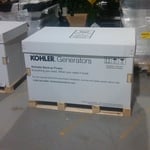
Kohler Emergency Generators and Transfer Switches
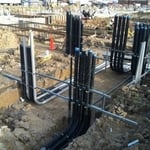
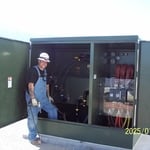
 Undergound Electrical Conduits/ Electrical Room
High Voltage Transformer
 Landscape Lighting Design and Installation
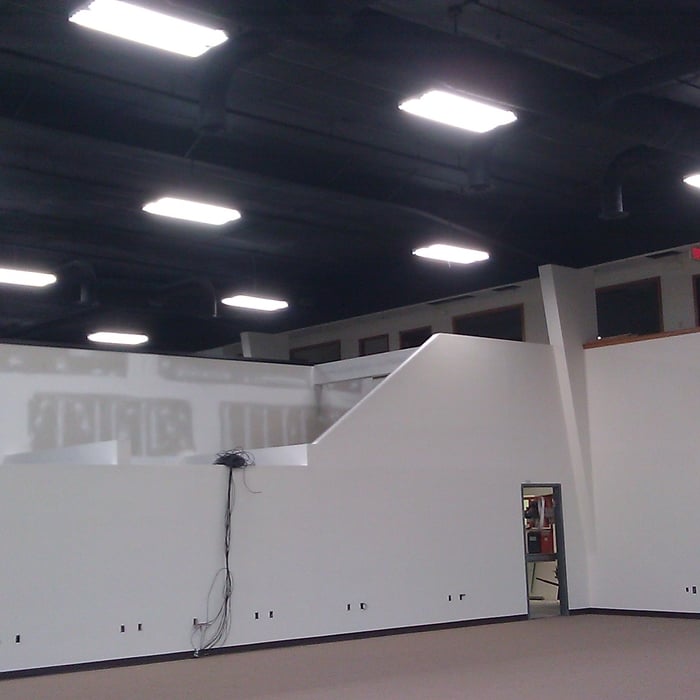
 Data Center Lighting

+15

Energy Efficiency Auditing FAQs, answered by experts

Leaving lights on raises the electric bill, but not as much as having high-wattage light bulbs. The best way to save on electric costs is to swap your light bulbs to LED or CFL bulbs that use far fewer watts. You can also use smart lights and light switches to control usage via a smartphone or voice-controlled device.

Setting your AC unit to 78 degrees can, indeed, help you save energy. In fact, according to experts, every degree you turn the unit up could save you between 1% and 3% on your energy bills. That said, turning your unit off entirely while you’re out might actually be less efficient than keeping it on at a higher temperature. Why? The unit will need to work extra hard to cool the house back off again after all those hot hours. 

To determine the right size generator for your house, you should calculate the total wattage of the appliances and devices you want to power during an outage. List all essential items, note their start-up wattages, and add them together.

Here are some typical wattage requirements for common appliances:

  • Refrigerator: 600 watts

  • Large dehumidifier: 700 watts

  • Large window air conditioner: 1,400 watts

  • Water heater: 3,000 to 4,500 watts

  • Electric furnace: 5,000 to 25,000 watts

A 7,500-watt generator might be sufficient for essentials like a refrigerator, freezer, well pump, and lighting circuits. However, for high-demand items like a water heater or furnace, a whole-home generator is a better choice. A portable generator may be enough if you only need to power a few critical items.

While home square footage can offer a rough estimate, it is not always a reliable indicator. For reference, here are some typical generator sizes based on square footage:

  • 1,000 sq ft: 6–9 kW

  • 1,500 sq ft: 7–10 kW

  • 2,000 sq ft: 10–14 kW

  • 2,500 sq ft: 12–16 kW

  • 3,000 sq ft: 16–20 kW+

For the most accurate sizing, consult a professional who can calculate your home's peak and average power consumption and recommend the optimal generator.

Upgrade to double-glazed glass or apply energy-efficient coatings to reduce heat loss and utility costs.

Blower door tests are measured in a few different ways, but the most popular are air changes per hour (ACH) and cubic feet of air (CFM) moving through the house per hour. A good ACH score is less than 2ACH, but 1ACH is better. This means the house experiences a total air change within 60 minutes (for 1ACH). For 2ACH, there’s a complete change every 30 minutes, and so on. CFM scores are similar in that a lower score means less air change, and therefore less leakage.

The Poplar Bluff, MO homeowners’ guide to energy efficiency auditing services

From average costs to expert advice, get all the answers you need to get your job done.