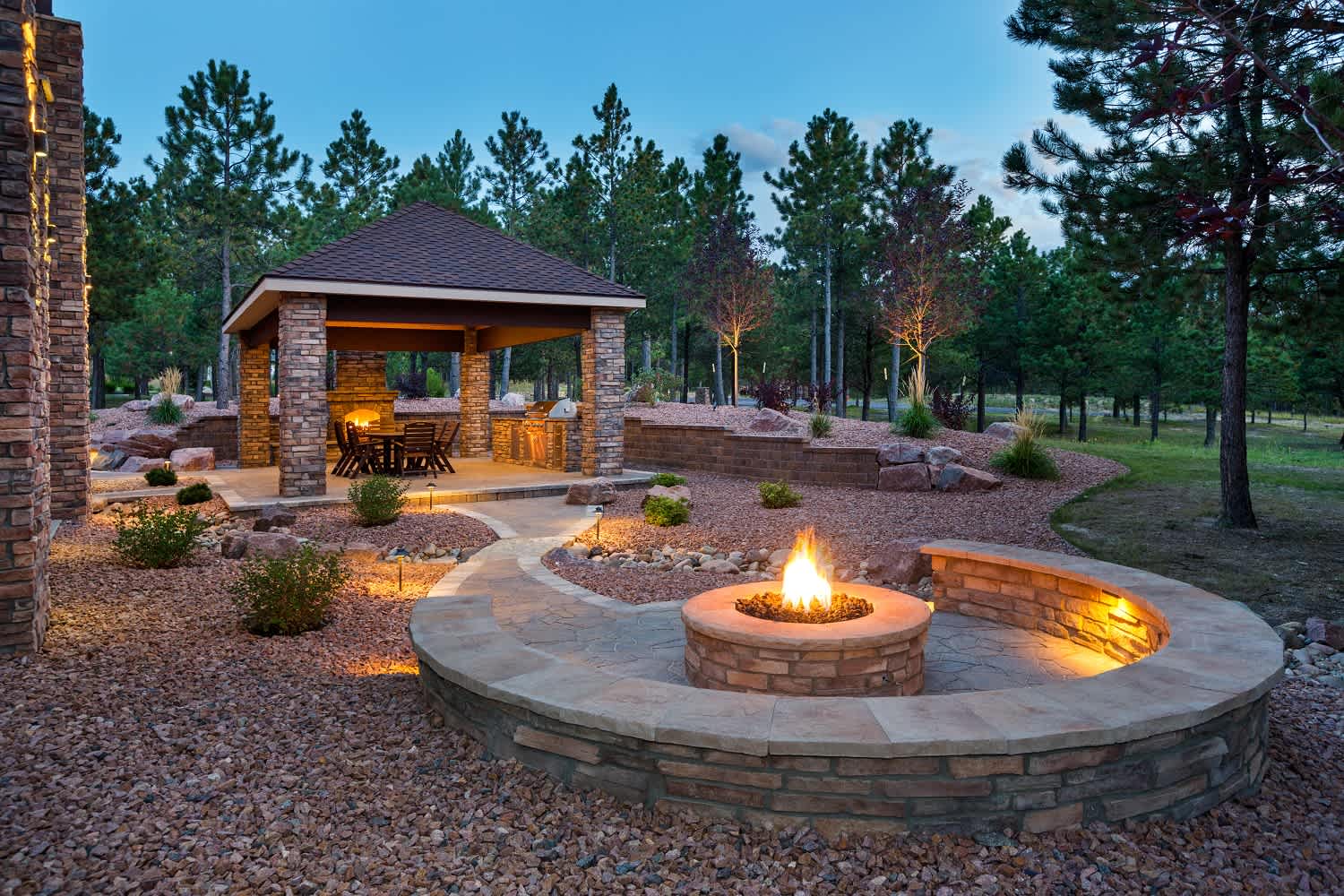





Top-rated fire pit installation pros.

Get matched with top fire pit installation pros in Charleston, AR

Enter your zip and get matched with up to 5 pros

Need a pro for your fire pit installation project in Charleston, AR?

Select your specific project to find the pro for you.

Find Fire pit installation pros in Charleston

Avatar for Mr. Fixit
Mr. Fixit
5.0(
16
)
Handyman for Multiple Small Projects

Serving Charleston, AR and surrounding areas

Approved

In business since 2025

Free estimates

Warranties offered

"Nick did an excellent job staining and sealing my wooden fence. He was quick, efficient, and the finished work looks great. his work saved me a ton of time and hassle, and everything was done professionally from start to finish. I would definitely recommend him to anyone looking for fence staining or sealing."
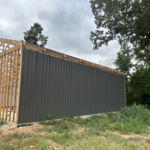
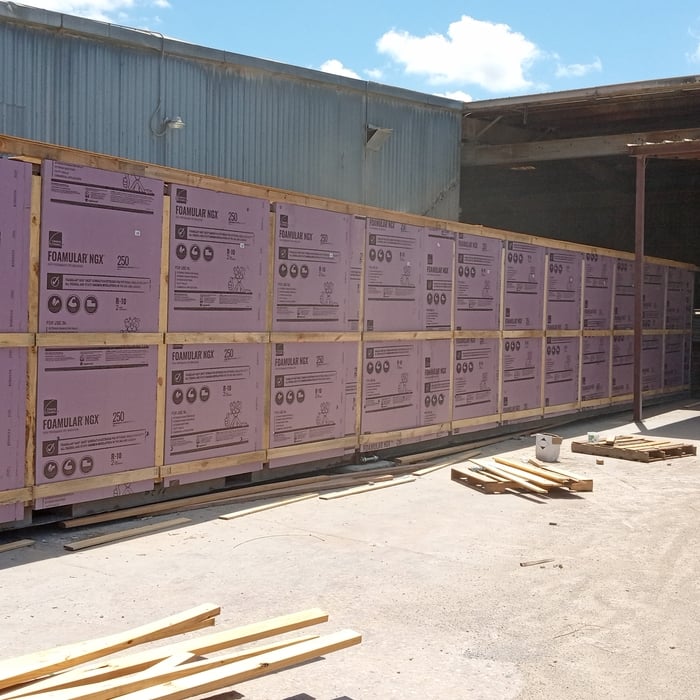
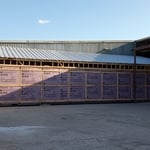
Storage container roof

+21

3 neighbors recently requested a quote
...
Showing 1-10 of 133
Fire Pit Installation questions, answered by experts

Your local town or municipality’s fire code and other applicable ordinances will set out the requirements for installing and maintaining a private fire hydrant. These rules can vary from place to place, so it’s crucial to consult with your town’s fire or code enforcement departments before you install a private hydrant on any property you own. Alternatively, you can hire a professional fire service consultant to help you interpret local laws and ensure you’re fully compliant with those requirements.

You should never block both the top and bottom of your chimney. Proper airflow is essential because the temperature inside the chimney will still fluctuate as your house warms and cools. Moisture can build up without ventilation, leading to dampness in your walls over time. Blocking the top prevents debris and animals from entering, but the chimney still needs air circulation to avoid condensation issues. Allowing the chimney to breathe maintains the health of your home and prevents long-term damage.

A spark arrestor is a simple metal mesh device that prevents flammable particles from escaping from a combustion source and causing a fire. You typically find these attached to gas or diesel engines on things like cars, generators, and garden tools (lawnmowers, chainsaws, etc.). Fireplace or wood-burning stove chimneys also have spark arrestors attached to or sitting under the chimney cap to capture burning embers.

You might be able to turn a normal door into a fire-rated door, but you’re better off purchasing one that meets all NFPA 80 standards. If you want to DIY a normal door into a fire door, you’ll need a self-adhesive intumescent seal, metal hinges, fire-resistant glazing, and a self-closing device, but you’re always better off buying a certified fire door.

No, you should never leave a fireplace burning overnight or unattended during the day. While fireplaces are made to contain fires, fires can and do spread from fireplaces, so it’s crucial that you’re there to monitor them and put them out if needed. If you’re worried about putting out a fire before bed, stop feeding it fuel long before bedtime and actively put out the fire using your poker, a shovel, and some baking soda.

The Charleston, AR homeowners’ guide to fire pit installation services

From average costs to expert advice, get all the answers you need to get your job done.