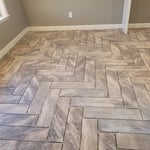
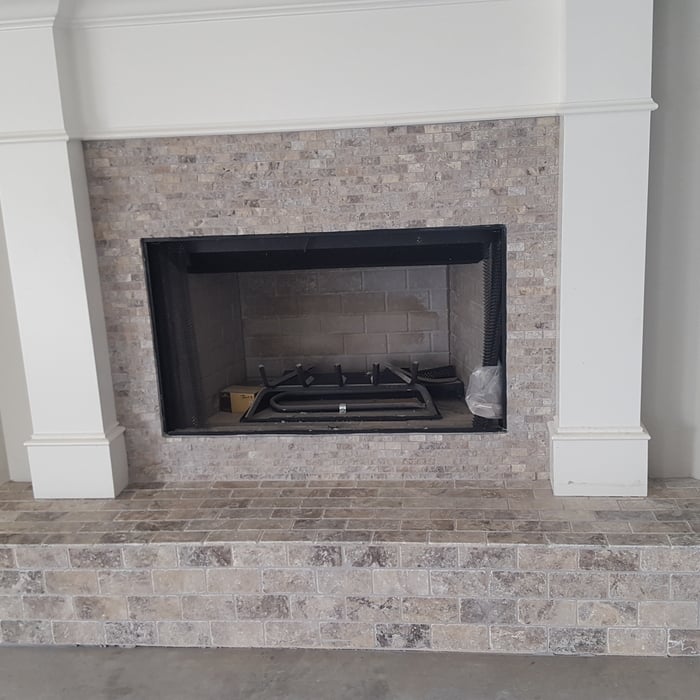
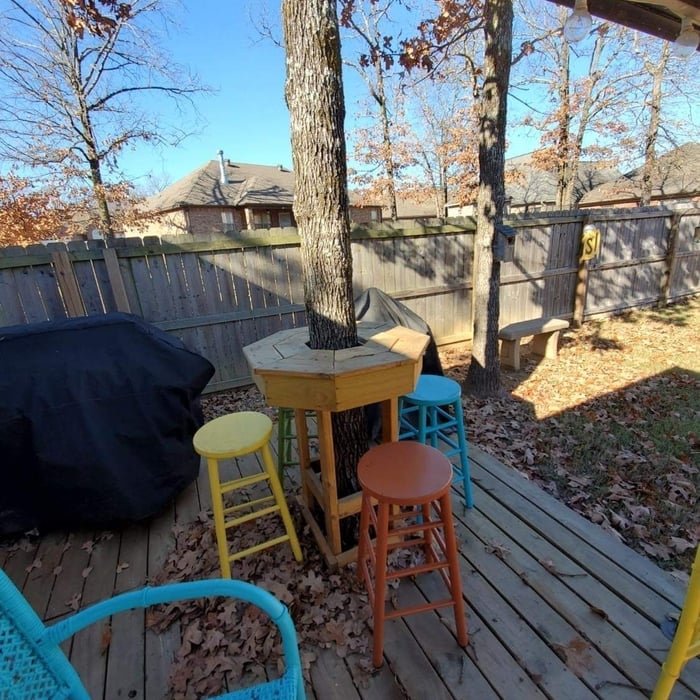
Since 1991, our company has focused on putting quality above quantity. Many people call us in as "fixers" for other company's poor workmanship, which drives our commitment to getting the job done right the first time. We are licensed to work with the Department of Defense, so you can rest assured that each one of our employees is fully verified and background checked.
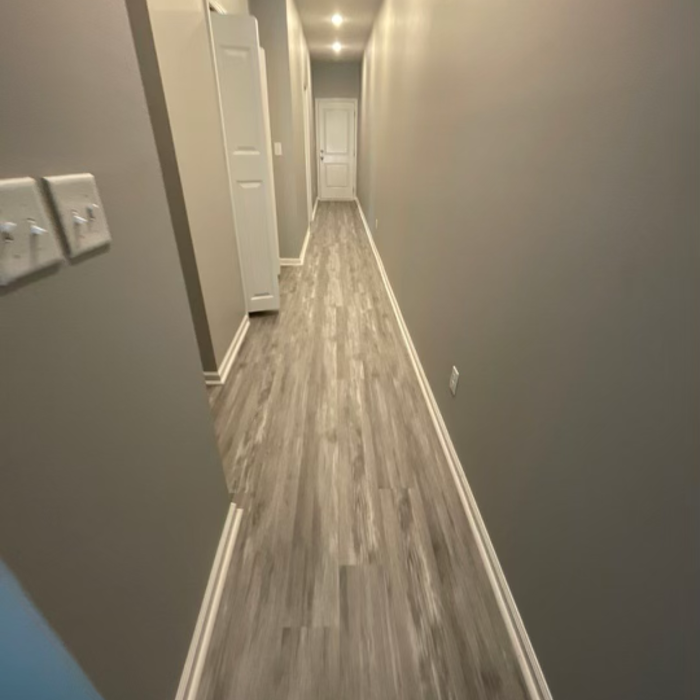
I specialize in floor covering, interior trim, base boars, doors, door trim, window trim, home repairs. I offer quality service at an affordable price. Contact me today about an estimate!
We have 15 years of experience, we are LLC and licensed. We will get the job done with you being amazed about our work and how fast we can get in and out.
Delgados Tile, Ceramic,Marble, VCT & LVT is committed to excellence in every aspect of our business. We uphold a standard of integrity bound by fairness, honesty, and personal responsibility. Our distinction is the quality of service we bring to our customers. Accurate knowledge of our trade combined with ability is what makes us true professionals. Above all, we are watchful of our customers' interests and make their concerns the basis of our business.
We take great pride in our experience, expertise, quality, and customer service that we provide to meet the consumers' needs. It is our mission to provide excellent workmanship, and complete customer satisfaction from start to completion of a project. In order to understand the needs, and expectations of our customers, we take great care to work, and communicate with every customer in a professional manner. Our reputation is based on service, safety, and quality, regardless of how large or small the job.
At Tompkins Flooring we are your premier choice for hardwood and tile floor installation and repairs. We have provided high quality work and friendly customer service for years. We take pride in our work. We work hard to provide the best service possible with integrity and accountability. We would love to help you. Give us a call today!
"I met Jill at our home and she took measurements and photos of our sons' room. We talked briefly about my ideas for the space. She provided several concept boards, for window treatments, furniture, and an overall "look" for the rooms. She also provided us with floor plans for each room. She brought paint colors, fabric selections, etc. Our first job with Jill was our sons' room. For the playroom, she had some pretty unique ideas that were right in line with the contemporary- but not too modern- look we wanted. She helped me with tips on doing some of the decorative painting myself, but also provided a few resources in case we wanted to hire the job out. She also helped me coordinate a subcontractor who handled a set of beautiful custom blinds. Jill tells me that in some cases she handles all the shopping, but that's part of the fun for me so she provided a list of links and stores for the items she chose. She gave a few choices for almost every item- budget and higher end. That allowed me to meet my budget while still getting some showstopper items, because we were able to save in other areas. Within a few weeks the room came together and got rave reviews after I posted the before and after photos on Facebook. And of course our visitors were amazed at the transformation. In the interim, we were redoing our guest bathroom on our own, and Jill was able to come into the project to help us choose tiles, wall colors, and vanity choices. A quick job that turned out really well considering the turn around time. A few months later we hired Jill again to rethink our living room and dining room. We were on a much more limited budget for both rooms but wanted to see what she could come up with considering some challenges in both the shape of the rooms and that I wanted to integrate some antique pieces we already owned. She came up with a brilliant look that blended our older pieces with a contemporary and clean look and we came in well under budget. Working with Jill was a lot of fun and we expect to continue to work with her to refine the look of our home. When I was considering hiring an interior designer I was worried about my low budget and lack of experience hiring someone to make these kind of choices for me. But it turned out to be the best decision we've ever made for our home because she allowed us to transform each area well under budget and much more quickly than we ever could have done on our own (well, we would have taken forever to make a decision on every item!). My favorite rooms in the house are the ones she's worked on with us. I just feel so happy that we found Jill Seidner."
"Jim was great, very glad we found him. He rebuilt stairs and landings, installed stairway rails, did tile in the kitchen, replaced storm doors and more. He is an excellent craftsman, able to manage project work all by himself in good time. He was neat, respectful of someone else's home, polite, jovial, personable, very interesting person to chat with. Yes he is expensive but I understand the experienced tradesmen command a good price and his quality of work justifies it. And yes there really are is a "bird dog(s)" that we got to meet, great pups !! Thanks Jim, we will be calling you again."
Tile costs vary by material; for example, ceramic tends to be more affordable than stone. These influence installation timelines and skill requirements.
Yes, you can tile a shower as a DIY project, and you can save hundreds of dollars in labor costs by doing so. However, you’ll need to rent or buy quite a few tools and supplies for the job, including a saw, tile nippers, and a new shower pan. In terms of the work itself, you should be prepared to tackle a variety of different tasks, including measuring and ordering materials, removing old tile, waterproofing the wall, adding rows of tile, grouting, and more.
You cannot tile directly over hot mop waterproofing because tile requires a smooth, solid surface to adhere properly. Additionally, the shower bed pan needs to be raised and sloped toward the drain to prevent water from pooling. However, you can hot mop and apply a sloped mortar bed over the top (to which the tile can then be adhered).
Grout and caulk are commonly used together, especially in bathrooms. Grout goes between the tiles and keeps them sturdy and in place on the walls or floor. Caulk goes in corners or where two different materials meet (like where the bathtub meets the tile) to create a waterproof seal. However, they are not interchangeable—you shouldn't use caulk to adhere tile and shouldn’t use mortar if you need a waterproof seal.
The rule tells you how to cut tile to install it in a corner. The 3/4/5 rule recommends that you should have 3 feet across on one straight line, four feet on the other perpendicular line, and 5 feet of length from the end of one of the lines to the other. You’re making a right triangle with the tile, and the hypotenuse (the line across from where the 3-foot lie and 4-foot line meet) should be 5 feet long.
The Carlisle, AR homeowners’ guide to ceramic tile services
From average costs to expert advice, get all the answers you need to get your job done.
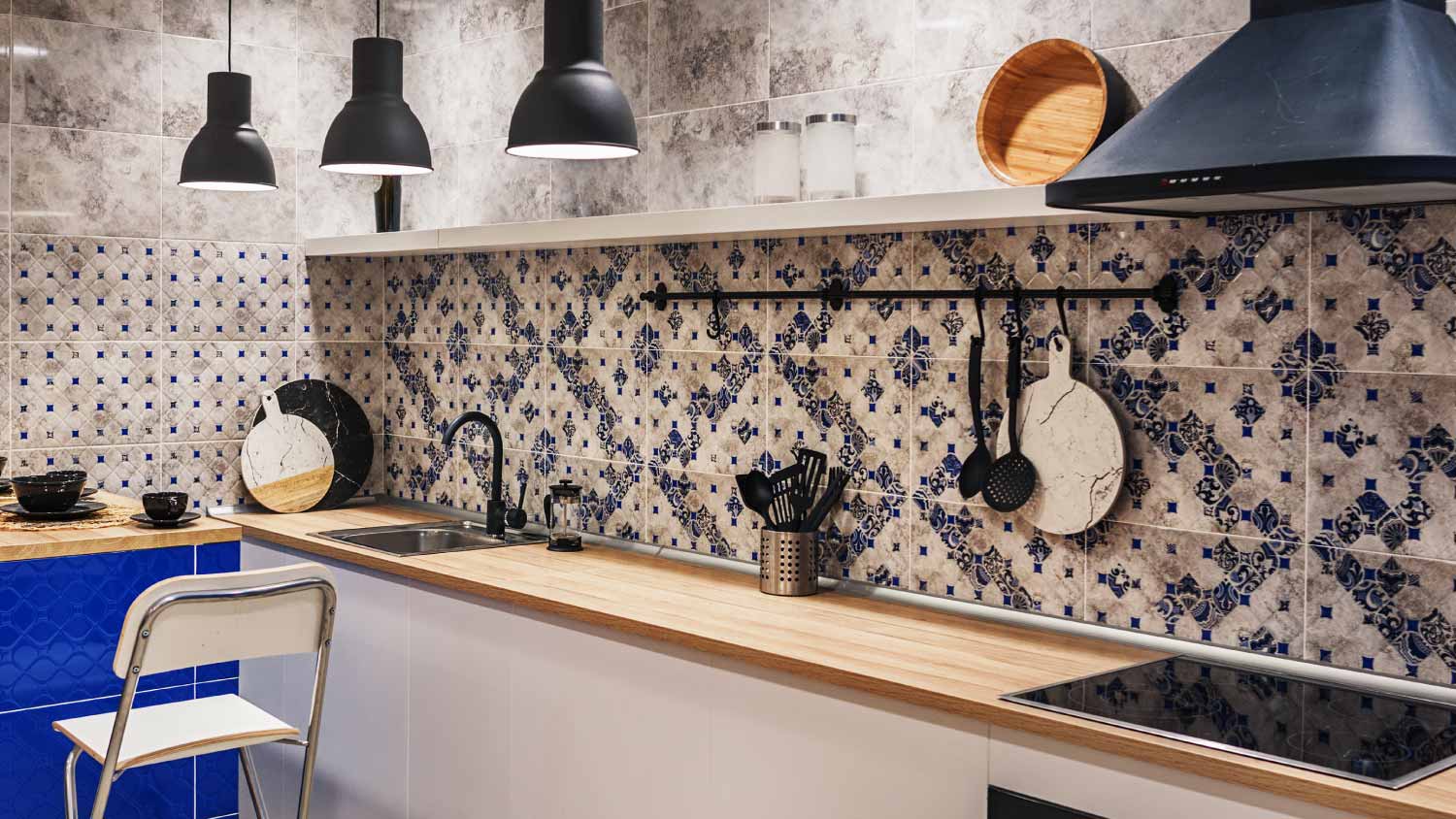
Whether it’s on your floor, walls, or shower, ceramic tile can add style to your space. So, how much does ceramic tile installation cost? Let’s break it down.
Learn how to hire a ceramic tile repair professional with confidence. Discover essential questions, qualifications, and costs to find the right expert for your project.
Porcelain and ceramic tiles aren’t exactly the same. Discover the key differences between porcelain versus ceramic tile, including cost, durability, and more.
Ceramic tile as a flooring option boasts a long list of advantages over other surfaces. However, there are also some key drawbacks worth considering. We’ve rounded up both the pros and the cons of ceramic tile into a helpful list.
You don’t always need a pro for ceramic tile installation. Follow these seven simple steps to transform the floor of any room in your home into the perfect space.