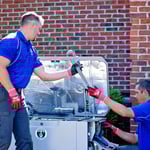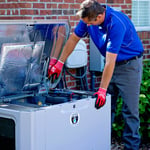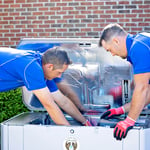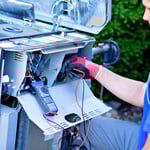



Top-rated generator install pros.

Get matched with top generator install pros in Amity, AR

Enter your zip and get matched with up to 5 pros

Need a pro for your generator install project in Amity, AR?

Select your specific project to find the pro for you.

Find Generator install pros in Amity

Avatar for Elite Power Services
Elite Power Services
5.0(
14
)

Serving Amity, AR and surrounding areas

In business since 2023

Free estimates

Warranties offered

"Super clean install. Chad and Carl left the install area spotless. They explained the operation of the generator. I will be recommending them to my family and letting Generac know how well they represent them."
Response time1 day
Recommended by92%of homeowners
Avatar for Stephens Electrical, LLC
Stephens Electrical, LLC
4.9(
12
)

Serving Amity, AR and surrounding areas

In business since 1986

Free estimates

Emergency services offered

"The guys came out to assess the situation to replace bathroom vent. They had to go into attic which was too hot to work. They suggested returning the next morning. They arrived early and quickly replaced the unit. I was very pleased with their work and clean up afterwards."
Parking Lot Lighting
Response time1 day
Recommended by100%of homeowners
Generator Install questions, answered by experts

While the rating will tell you how many watts the refrigerator needs at the peak of its cycle, it requires additional wattage to start. At the bare minimum, you’ll need a 1,500-watt generator to get the fridge up and running after a blackout. A 2,000-watt generator should be sufficient for most home refrigerators.

To determine the right size generator for your house, you should calculate the total wattage of the appliances and devices you want to power during an outage. List all essential items, note their start-up wattages, and add them together.

Here are some typical wattage requirements for common appliances:

  • Refrigerator: 600 watts

  • Large dehumidifier: 700 watts

  • Large window air conditioner: 1,400 watts

  • Water heater: 3,000 to 4,500 watts

  • Electric furnace: 5,000 to 25,000 watts

A 7,500-watt generator might be sufficient for essentials like a refrigerator, freezer, well pump, and lighting circuits. However, for high-demand items like a water heater or furnace, a whole-home generator is a better choice. A portable generator may be enough if you only need to power a few critical items.

While home square footage can offer a rough estimate, it is not always a reliable indicator. For reference, here are some typical generator sizes based on square footage:

  • 1,000 sq ft: 6–9 kW

  • 1,500 sq ft: 7–10 kW

  • 2,000 sq ft: 10–14 kW

  • 2,500 sq ft: 12–16 kW

  • 3,000 sq ft: 16–20 kW+

For the most accurate sizing, consult a professional who can calculate your home's peak and average power consumption and recommend the optimal generator.

The amount of time a standby generator can run continuously is around 3,000 hours on average. However, standby generators can generally run indefinitely as long as they have a continuous fuel supply. Generators hooked up to a home’s natural gas supply are the best option for extended usage, as these won’t rely on a finite fuel supply based on how much you have in storage. Generators running on liquid propane or diesel won’t last as long, as these require fuel storage and regular refueling to stay running.

In most municipalities, you will need a permit to install a permanent home generator, including emergency backup, partial-home, and whole-home generators. A permit for a generator usually costs between $50 and $250, depending on where you live. Your electrician or certified generator installer will usually pull the permit for you—and might be required to do so by your building department—but you’ll be on the hook for the cost of the permit. You should ask your installer before agreeing to any work if they will pull the necessary permits for your project.

Portable generators provide backup power for essential appliances during outages and are easy to relocate.

The Amity, AR homeowners’ guide to generator installs

From average costs to expert advice, get all the answers you need to get your job done.