


Top-rated excavation pros.

Best excavation pros near Triana, AL

Enter your zip and get matched with up to 5 pros

Need a pro for your excavation project in Triana, AL?

Select your specific project to find the pro for you.

TRUSTED BY TRIANA, AL HOMEOWNERS

  • Average homeowner rating star icon4.2
    Average homeowner rating
  • Verified reviews icon22
    Verified excavation services reviews

Top-Rated Excavation pros in Triana - Updated Nov 2026

Avatar for Masterpiece Builders
Masterpiece Builders
4.5(
15
)
Building Site - Preparation and ClearingBuilding Site - Preparation and Clearing - For BusinessExcavation - Major Grading or Resloping+2 more

Serving Triana, AL and surrounding areas

Approved

In business since 2022

Free estimates

Warranties offered

"He works steady and pays attention to detail. He repaired a privacy fence that a large section had fallen down. Does not waste time. He is courteous and takes time to explain how he is going to make the repair. I recommend him to anyone and plan to call him again for future repairs and new projects."
Response time1 day
Response rate95%
Recommended by85%of homeowners
Avatar for A & D TREE and LANDSCAPING SERVICE
A & D TREE and LANDSCAPING SERVICE
5.0(
15
)
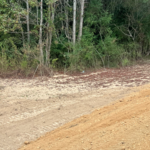
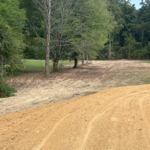
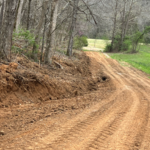
Landscape - Minor Grading or Resloping

Serving Triana, AL and surrounding areas

Approved

In business since 2025

Free estimates

Credit card accepted

"I was very impressed with the work. They are a crew of go-getters. They arrive early in the morning and immediately got busy. They took down 4 fairly large trees and did all the clean up in a day and 1/2. The price was very reasonable and they were careful with the property around the task at hand. I will definitely use them again."
12 neighbors recently requested a quote
Avatar for Bosack 67 Dirt & Gravel
Bosack 67 Dirt & Gravel
4.9(
14
)
Excavation - Major Grading or ReslopingLandscape - Minor Grading or Resloping

Serving Triana, AL and surrounding areas

Approved

In business since 2020

Free estimates

Small jobs welcome

"Have used Bosack dirt and gravel twice. Had dirt graded in backyard for one job and some gravel delivered for another project. Jarvis provided quotes, kept in communication, was dependable and very professional. Highly recommend"
Response time4 hrs
Response rate90%
12 neighbors recently requested a quote
...
Showing 1-10 of 197
Excavating FAQs, answered by experts

How deep your septic system needs to be into the ground depends on several factors. In extremely cold environments, the tank needs to rest below the maximum frost line, which can be up to six or eight feet deep. The standard burying depth for most systems is between a few inches and four feet below ground level. Depth can also depend on the slope of the landscaping and other property variables. 

No, you typically cannot use metal detectors to find your sewer line. Most sewer lines are made of non-metallic materials such as PVC, clay, or cast iron, which are not detectable by standard metal detectors. Metal detectors are designed to locate metallic objects, so they won't be effective for identifying the path of a non-metallic sewer line. To locate your sewer line accurately, it's best to use other methods.

The cost to drill a well varies, with a national average of around $5,500 for a 150-foot well. However, prices can fluctuate significantly based on several factors, including your location, the required well depth, geological conditions, local regulations, and the specific drilling methods used. For the most accurate cost assessment, it is best to research and get quotes from local well-drilling professionals in your area.

Yes, chipmunk holes may have two or more entrances. Chipmunks can create an entire network of burrows. Having multiple entrances makes it easier for them when trying to escape from a predator, such as a snake, or if an entrance collapses due to flooding. Each entrance leads to the nesting chamber underground, which is where the chipmunk spends the majority of its time sleeping.

Septic drain lines (or leach lines) are typically buried between 18 and 36 inches underground, and should be at least 6 inches below the surface. These pipes are perforated and surrounded by filtering materials like sand or gravel. Burying the lines at this depth helps minimize odors and allows bacteria and other biological processes in the soil to effectively treat the wastewater. Burying lines too close to the surface can cause issues unless the soil is very compact and stable.

The Triana, AL homeowners’ guide to excavation services

From average costs to expert advice, get all the answers you need to get your job done.