







Top-rated excavation pros.

Get matched with top excavation pros in Hampton Cove, AL

Enter your zip and get matched with up to 5 pros

Need a pro for your excavation project in Hampton Cove, AL?

Select your specific project to find the pro for you.

TRUSTED BY HAMPTON COVE, AL HOMEOWNERS

  • Average homeowner rating star icon4.7
    Average homeowner rating
  • Verified reviews icon25
    Verified excavation services reviews

Find Excavation pros in Hampton Cove

Avatar for Bosack 67 Dirt & Gravel
Bosack 67 Dirt & Gravel
4.9(
14
)
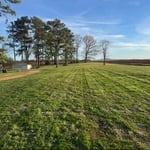
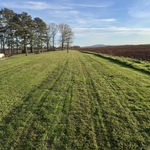
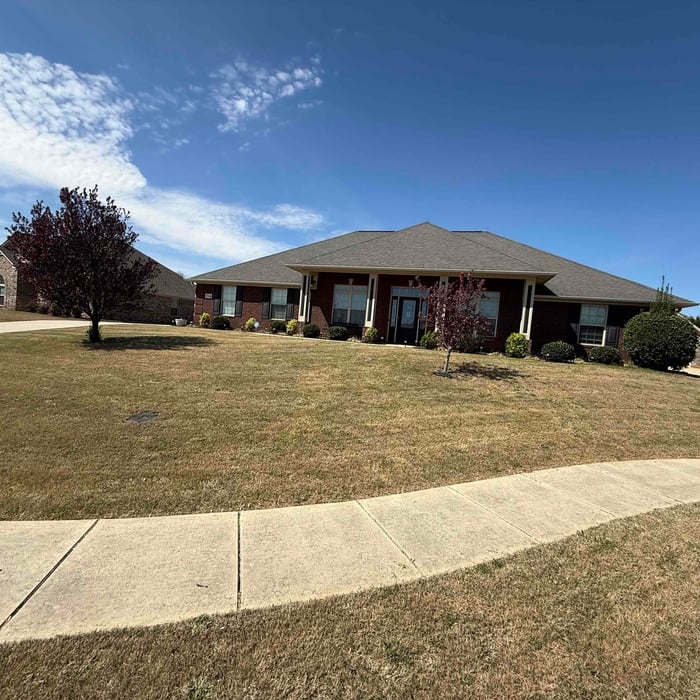
Landscape - Minor Grading or ReslopingExcavation - Major Grading or Resloping

Serving Hampton Cove, AL and surrounding areas

Approved

In business since 2020

Free estimates

Small jobs welcome

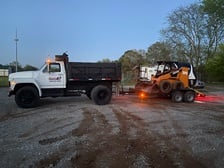
"Have used Bosack dirt and gravel twice. Had dirt graded in backyard for one job and some gravel delivered for another project. Jarvis provided quotes, kept in communication, was dependable and very professional. Highly recommend"
Response time4 hrs
Response rate90%
33 neighbors recently requested a quote
...
Showing 1-10 of 167
Excavating questions, answered by experts

In most areas, you will need a permit for excavation work, even for projects that only involve grading or yard leveling. Permit requirements depend on your local government and the scope of the project, but they are especially common for significant digging or work that could affect utilities or public property. These permits help protect the local topography and prevent drainage issues. An experienced excavation company will typically know whether permits are needed and can often handle the process of pulling and closing them for you. You can also verify permit requirements by contacting your local building department and describing your project.

You do not have to dig footers for a deck as long as it meets local code and holds up to weather in your area. If you live somewhere that experiences high winds and earthquakes, you may need to dig for your deck posts. Deck blocks, post anchors with base plates, and helical pile systems are the three no-dig deck post options you can choose from if local code permits.


A joint utility trench, or joint trench, is a long, buried ditch on a property that contains two or more utility lines rather than running the lines in multiple trenches. Some utilities, like gas and electric or electric and communication lines, are better suited to joint trenching, while others, like water and sewer, are not allowed to be in the same trench.

As a general rule, the protected area should be about 1½ times as wide as the canopy of the tree’s leaves. This digging measurement can vary by tree species and the age of the tree. Of course, that can be a lot of fencing for larger trees, which is why our first step is about making difficult decisions on which trees to save.

The digging depth will depend on the size of the trencher you use. Even smaller units can dig up to 4 feet deep, which is plenty for a DIY job. However, much larger trenchers can reach a depth of 18 feet and are better used by a team of pro contractors, not a single DIYer. As with all home improvement projects, use the right tool for the job and proceed with caution.

The Hampton Cove, AL homeowners’ guide to excavation services

From average costs to expert advice, get all the answers you need to get your job done.