
Top-rated radon detection and reduction specialists.

Best radon detection and reduction specialists near Sawyerville, AL

Enter your zip and get matched with up to 5 pros

Need a pro for your radon detection and reduction project in Sawyerville, AL?

Select your specific project to find the pro for you.

Top-Rated Radon detection and reduction specialists in Sawyerville - Updated Nov 2026

Avatar for DEH Sales Group, LLC
DEH Sales Group, LLC
5.0(
28
)
Radon Gas - AbatementRadon Gas - Testing

Serving Sawyerville, AL and surrounding areas

In business since 2000

Free estimates

Credit card accepted

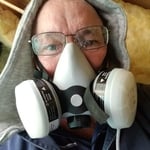
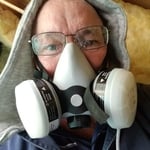
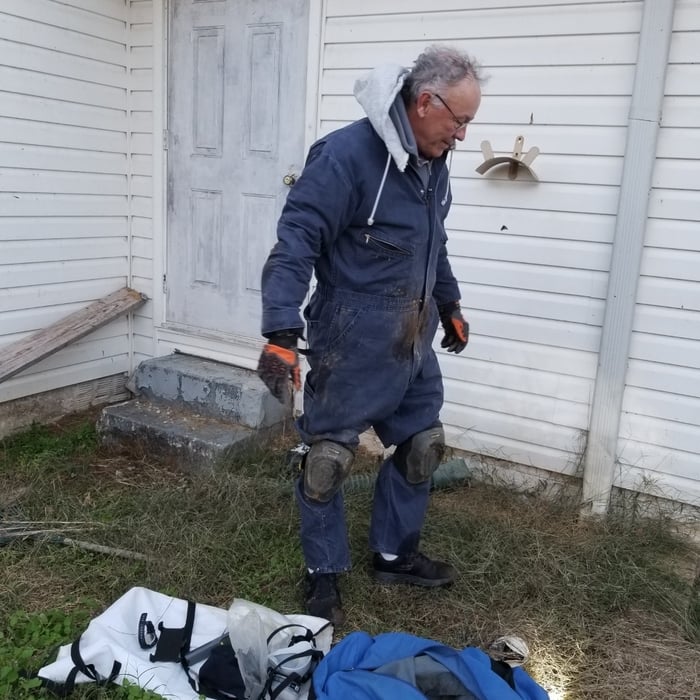
"We hired David to do an inspection and Radon test for a home we are planning on buying. He was very professional and capable in all of his inspection. He was very polite and not afraid to get dirty or to find everything going on in the home. He had answers for all my questions and knows what he is doing."
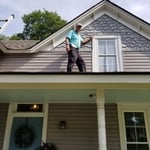
90 year old house
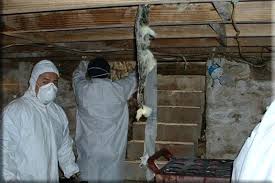
Crawlspaces aren't pretty.
The only Certified ASHI inspector in the area.
Crawlspaces aren't pretty.
90 year old house

+2

Response time30 mins
Response rate92%
Recommended by100%of homeowners
Bioremsci LLC
New to Angi
Radon Gas - Testing

Serving Sawyerville, AL and surrounding areas

In business since 2012

Emergency services offered

Offers commercial services

see our website at www.bioremsci.com for full description of our company and its services. We believe that we are one of only a very few companies in the USA that has our range of qualifications and experiences in biological sampling, testing, issue coordination, and problem resolution/industrial hygiene protocol development and monitoring.

Response time4 hrs
Response rate100%
Radon Detection and Reduction FAQs, answered by experts

The average radon mitigation system uses about 876 kWh of electricity per year, although the exact amount of electricity used will vary depending on the size of the radon fan. Once the system is installed, the annual increase to your energy bill could range from $30 to $300 per year, again depending on the size of the fan.

There are steps you can take as a homeowner to remediate radon yourself. While a radon reduction professional can make the biggest impact in your home, you can make efforts to improve radon levels on your own by sealing cracks, increasing ventilation, and testing for radon regularly.

No level of radon is technically safe, but since it is naturally present everywhere, it is impossible to avoid entirely. The average radon level in homes across the United States is 1.3 picocuries per liter (pCi/L). The Environmental Protection Agency (EPA) recommends taking action to reduce radon levels if your home's test results are between 2 and 4 pCi/L or higher.

No level of radon is technically safe, but since it is present everywhere, complete avoidance is impossible. The average radon level in homes across the United States is 1.3 picocuries per liter (pCi/L). The Environmental Protection Agency (EPA) recommends taking preventative measures if your home's radon levels are between 2 and 4 pCi/L or higher.

Keeping radon from getting into your home is much better than having to get rid of it once it's already indoors. While there may not be a way to fully prevent radon from getting into your home, there are things you can do to reduce the gas's ability to enter. 

Sealing foundation cracks and openings can help keep the gas from seeping inside. Improving air flow, such as by opening windows, can also be helpful. If you're building your home from scratch, talk to your contractor about using radon-resistant construction to keep the gas out.

The Sawyerville, AL homeowners’ guide to radon detection and reduction services

From average costs to expert advice, get all the answers you need to get your job done.