

Top-rated radon detection and reduction specialists.

Best radon detection and reduction specialists near Centreville, AL

Enter your zip and get matched with up to 5 pros

Need a pro for your radon detection and reduction project in Centreville, AL?

Select your specific project to find the pro for you.

Top-Rated Radon detection and reduction specialists in Centreville - Updated Nov 2026

Bioremsci LLC
New to Angi
Radon Gas - Testing

Serving Centreville, AL and surrounding areas

In business since 2012

Emergency services offered

Offers commercial services

see our website at www.bioremsci.com for full description of our company and its services. We believe that we are one of only a very few companies in the USA that has our range of qualifications and experiences in biological sampling, testing, issue coordination, and problem resolution/industrial hygiene protocol development and monitoring.

Response time4 hrs
Response rate100%
Radon Detection and Reduction FAQs, answered by experts

You'll need to test your home for radon after installing the mitigation system, then again every two years. If radon remains elevated, contact a licensed radon professional, either the contractor who installed the system or a different one, and have them evaluate the system. They may need to make some changes to improve its effectiveness and performance.

Radon enters your home when warm air begins to rise and exits through the roof, creating a vacuum that pulls cooler air from under the foundation. Part of that air is radon, which is an invisible, odorless gas that develops naturally when radioactive particles are deep within the ground. Those particles usually come from decaying matter in soil and rocks.

Ideally, no one will live in a house with elevated radon levels, as prolonged exposure increases the risk of serious health issues like lung cancer. However, homes with radon can be made safe through mitigation systems, such as active soil depressurization. Testing for radon regularly and addressing high levels helps ensure a safe living environment.

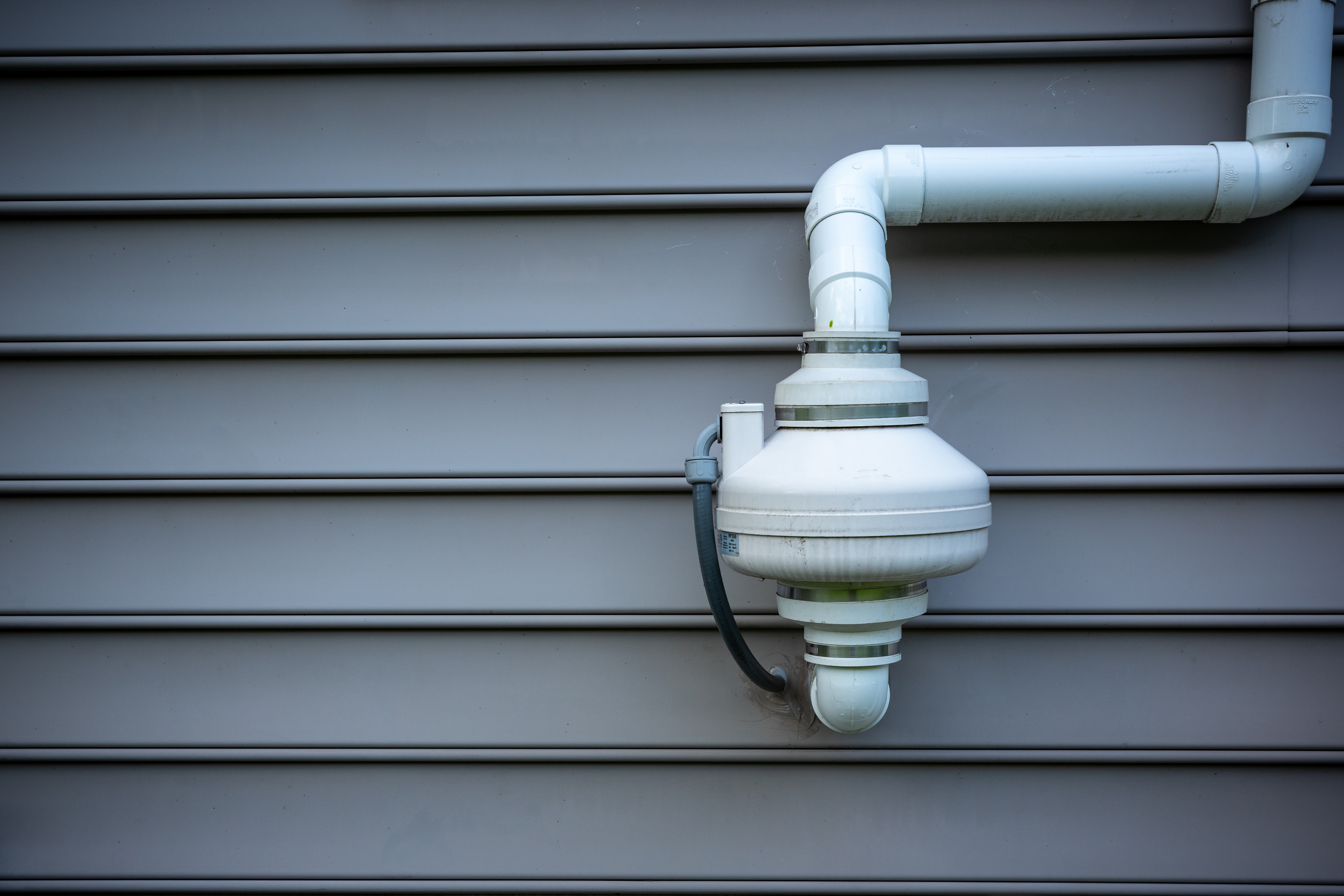
The lifespan of a radon mitigation system depends on the type of system and its maintenance. With proper care, a system can last for many decades. Passive systems tend to last longer as they have fewer components that require replacement. Active systems, which have more moving parts like fans, generally have a shorter lifespan. For instance, water filtration devices and active pressurization systems require more frequent maintenance. While the system as a whole is durable, the radon fan in an active system typically has a lifespan of 5 to 10 years and will need to be replaced. As long as the fan is working, the mitigation system should function correctly.

Use a radon test kit or hire professionals to conduct a detailed assessment of radon levels in your home.

The Centreville, AL homeowners’ guide to radon detection and reduction services

From average costs to expert advice, get all the answers you need to get your job done.




