


Top-rated lead testing and removal specialists.

Get matched with top lead testing and removal specialists in Salem, AL

Enter your zip and get matched with up to 5 pros

Need a pro for your lead testing and removal project in Salem, AL?

Select your specific project to find the pro for you.

Find Lead testing and removal specialists in Salem

Tri-State General Contractors and Restoration, LLC
New to Angi

Serving Salem, AL and surrounding areas

In business since 1989

Free estimates

Tri-State General Contracting & Restoration, LLC is a company that remodels and/or restores the property of home-owners and businesses. We are proud to say that we embody the characteristics needed by home-owners and businesses to quickly recover from damages to their property and/or possessions. We have always enjoyed helping people, so in 1989 we decided to start our own business in Columbus, Georgia. We hope you enjoy your time on our site, and we look forward to working with you!

Lead Testing and Removal questions, answered by experts

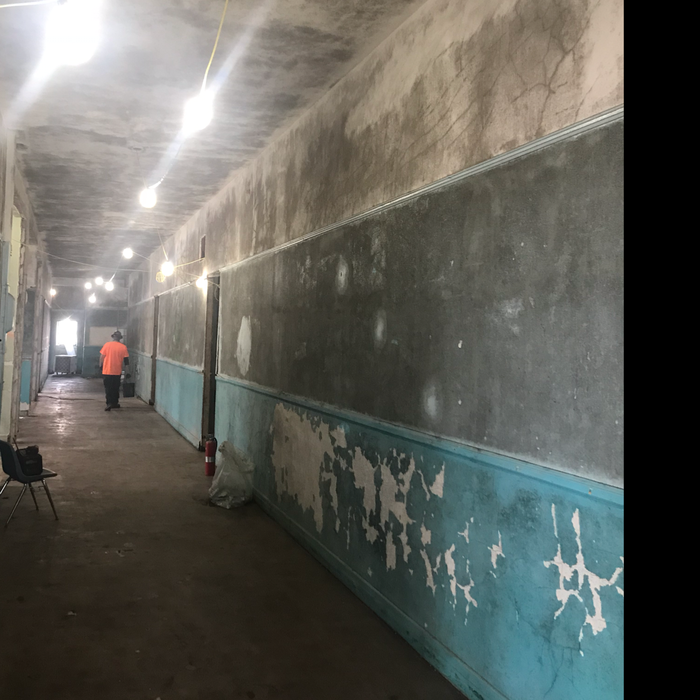
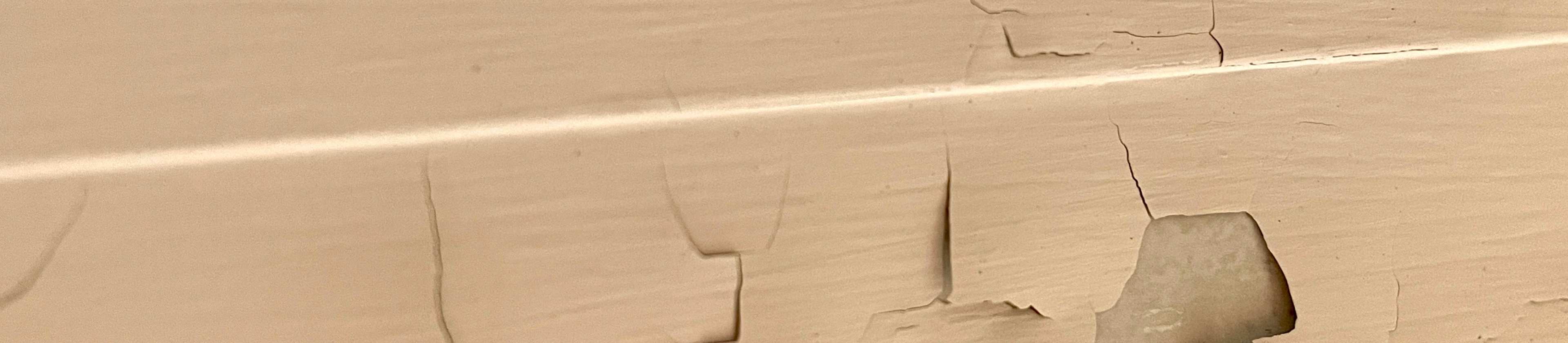
If the lead paint is in a place that is not easily disturbed and is not flaking or deteriorating, you do not necessarily need to remove it. Lead is toxic when dust particles or flakes from peeling lead paint are ingested. If people are not in the area with the lead paint, it may be safe to leave it in place. You still may want to consider encapsulation with a paint formulated for covering lead-based paint, just for an added layer of protection.

According to the Environmental Protection Agency (EPA), hazardous waste is generally classified into four main categories:

1. Characteristic Wastes: These exhibit at least one of four hazardous traits: ignitability (flammable, like gasoline), corrosivity (can rust or decompose materials, like car batteries), reactivity (unstable and can explode, like aerosol cans), or toxicity (harmful when ingested, like lead-based paint).

2. Listed Wastes: These are specific wastes from manufacturing and industrial processes that the EPA has officially designated as hazardous. They include byproducts from processes that use solvents, pesticides, and other chemicals.

3. Universal Wastes: These are commonly generated hazardous items that are subject to streamlined regulations. Examples include batteries, pesticides, mercury-containing equipment (e.g., bulbs), and some lamps.

4. Mixed Wastes: This category includes waste that contains both hazardous and radioactive components, making it subject to regulation by both the EPA and the Nuclear Regulatory Commission.

Sampling typically takes 1-3 hours, and depending on the provider, lab results are available within 2-7 days.

Several different measurements may be used to determine the amount of lead in water. The most common unit of measurement is micrograms per liter (µg/L), which is the same as parts per billion. Another measurement is milligrams per liter (mg/L), which is the same as parts per million.

How you test for lead in your water depends on the source of your home's water supply. If you have municipal water, your local water system may offer to test the water for free or may connect you to a lab that will perform the testing.

If you have a private well that provides drinking water, you are responsible for testing it for lead. Look for a lab that is accredited by your state's Department of Environmental Protection to perform the test.

The Salem, AL homeowners’ guide to lead testing and removal services

From average costs to expert advice, get all the answers you need to get your job done.