

Top-rated lead testing and removal specialists.

Best lead testing and removal specialists near Fort Benning, GA

Enter your zip and get matched with up to 5 pros

Need a pro for your lead testing and removal project in Fort Benning, GA?

Select your specific project to find the pro for you.

Top-Rated Lead testing and removal specialists in Fort Benning - Updated Nov 2026

Tri-State General Contractors and Restoration, LLC
New to Angi
Toxic Lead - AbatementToxic Lead - Testing

Serving Fort Benning, GA and surrounding areas

In business since 1989

Free estimates

Tri-State General Contracting & Restoration, LLC is a company that remodels and/or restores the property of home-owners and businesses. We are proud to say that we embody the characteristics needed by home-owners and businesses to quickly recover from damages to their property and/or possessions. We have always enjoyed helping people, so in 1989 we decided to start our own business in Columbus, Georgia. We hope you enjoy your time on our site, and we look forward to working with you!


Lead Testing and Removal FAQs, answered by experts

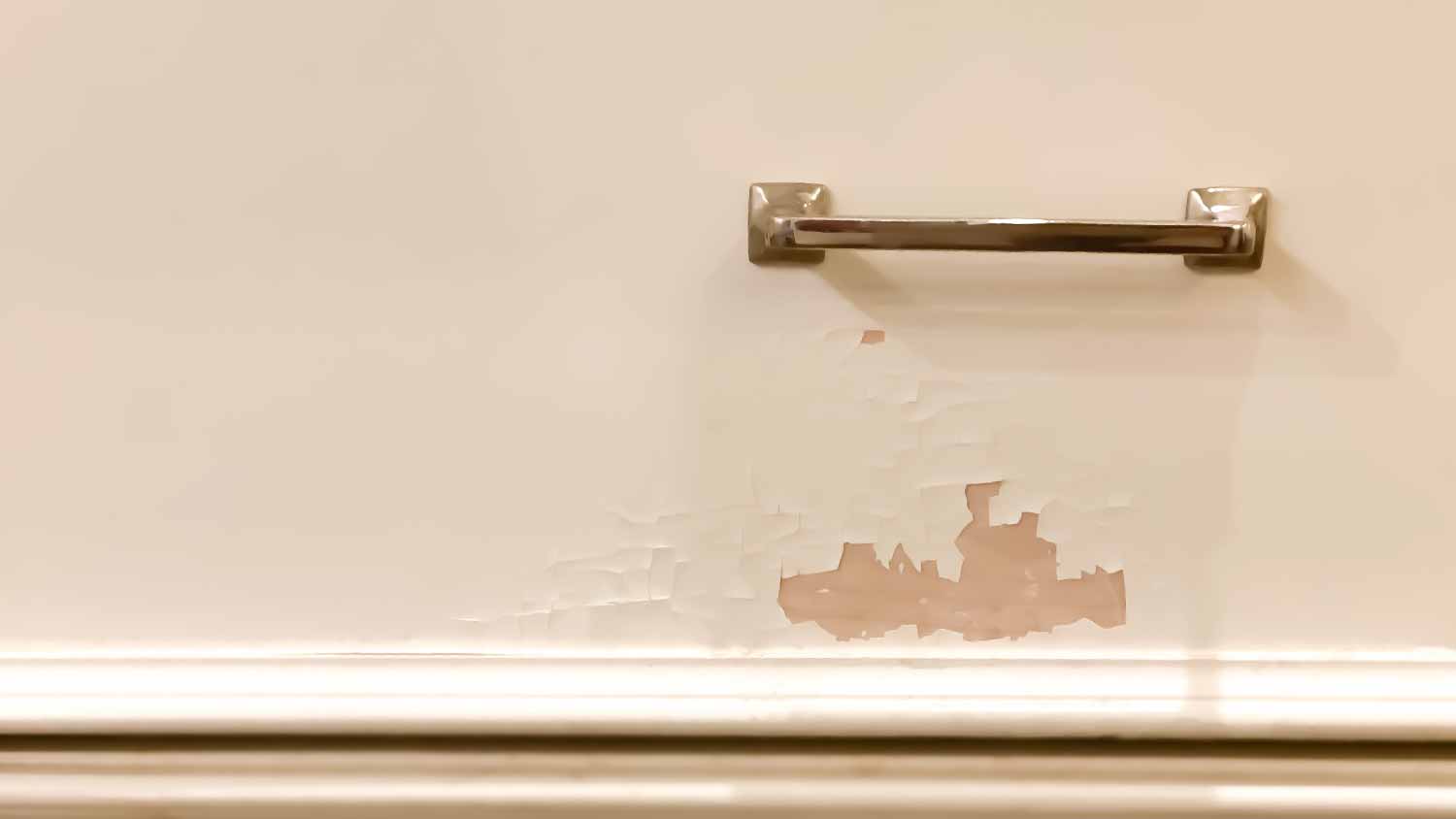
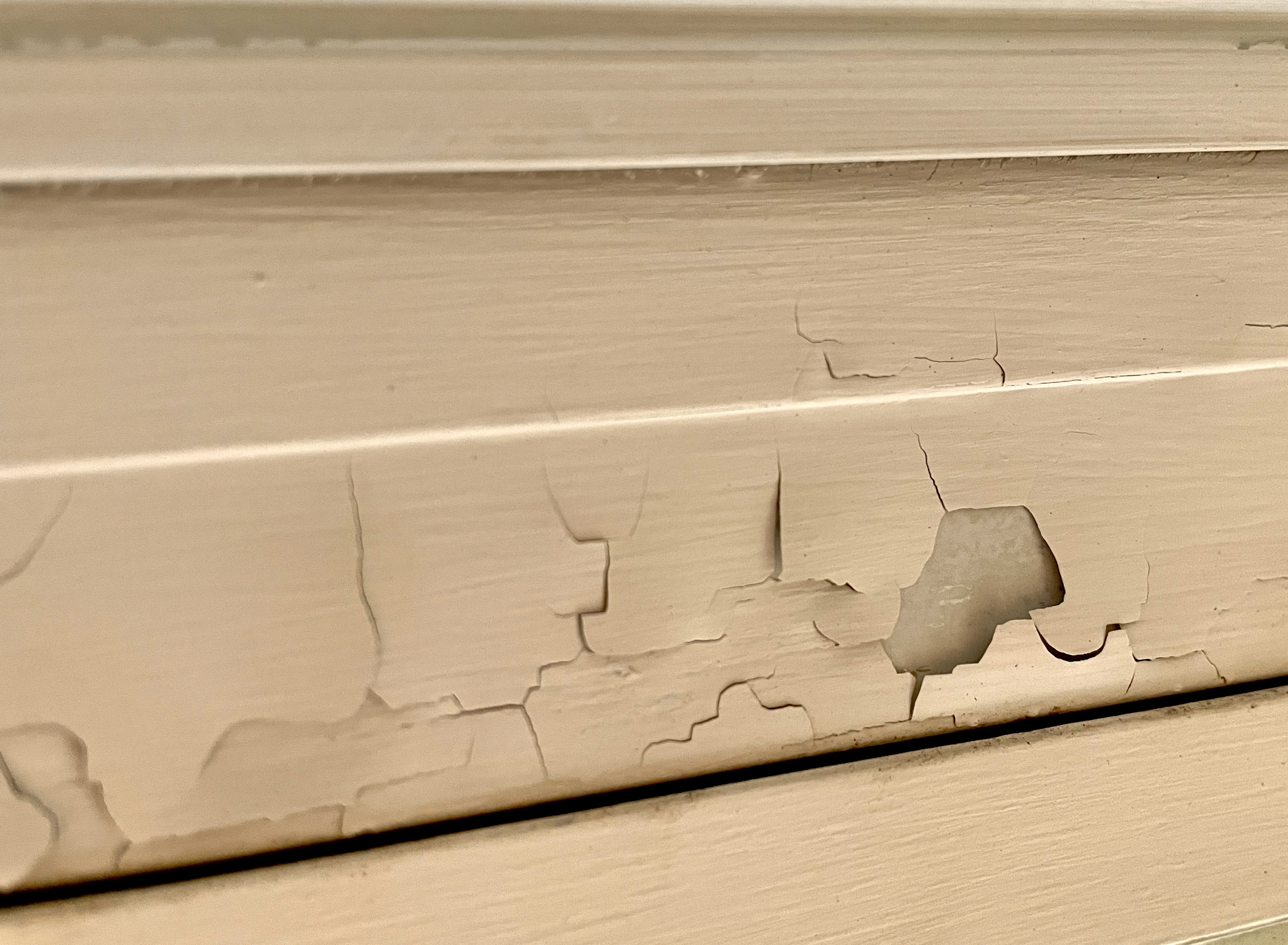
While not all homes built before 1978 contain lead paint, enough do, so you’ll still want to test to be on the safe side. The federal government banned lead-based paint for homes in 1978, but your state may have banned lead before that time. Around 24% of homes built between 1960 and 1977 contained lead-based paint, while 87% of homes built before 1940 contained lead-based paint.

No, you can’t place hazardous waste in a dumpster unless you specifically ordered a dumpster for hazardous waste removal. If the dumpster company finds hazardous waste that it didn’t approve for dumping, the company will return the waste to you, and you’ll likely face a fine for illegal dumping.

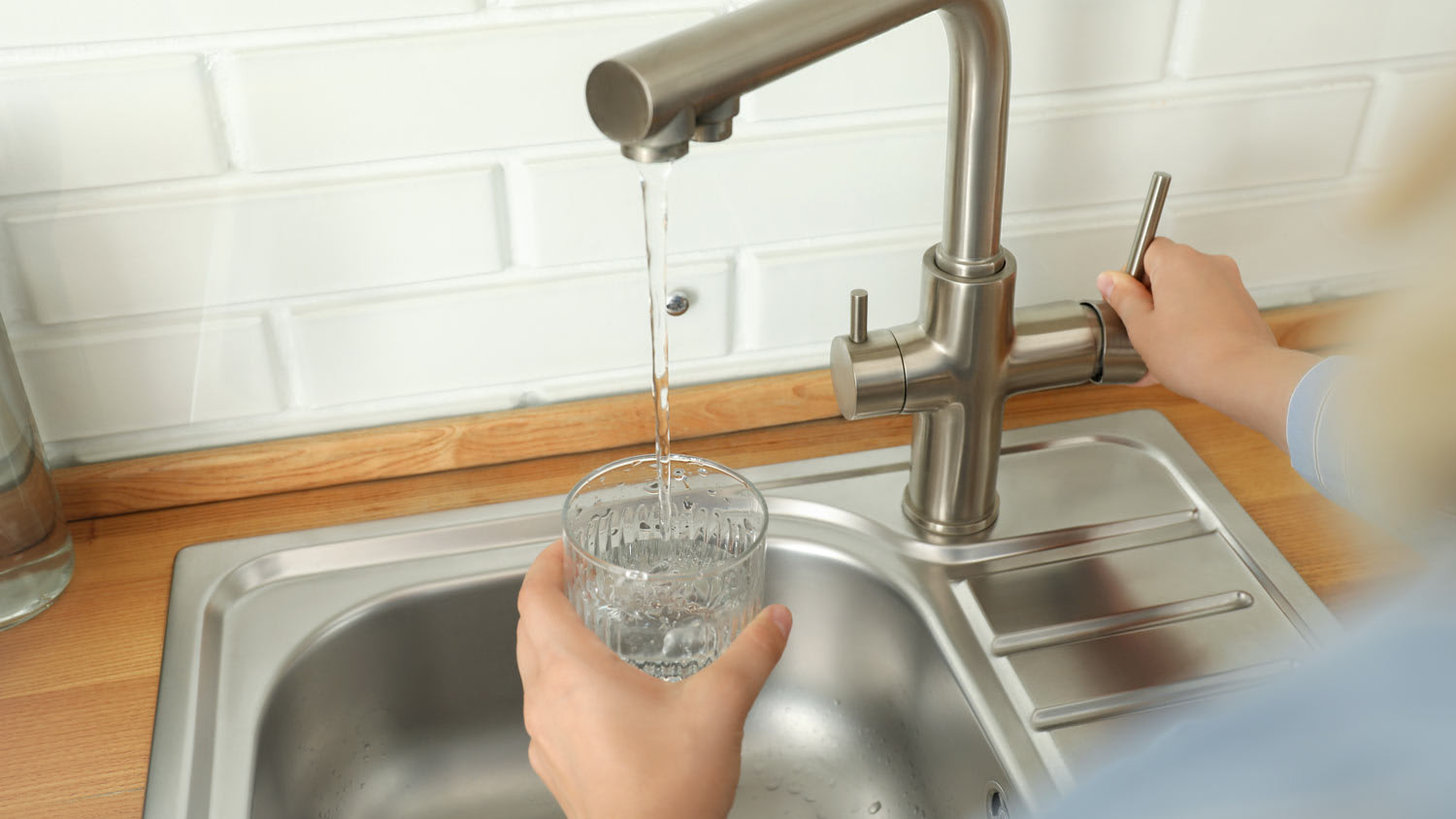
Some causes of brown well water—like excess tannins or dissolved iron—don’t pose a health risk. In other cases, harmful bacteria might be the culprit. If your well water has suddenly turned brown, it’s a good idea to use a home water test kit to get a better sense of what’s going on with your water. Consider calling a professional for an expert opinion before drinking the water and hoping for the best.

According to the Environmental Protection Agency (EPA), hazardous waste is generally classified into four main categories:

1. Characteristic Wastes: These exhibit at least one of four hazardous traits: ignitability (flammable, like gasoline), corrosivity (can rust or decompose materials, like car batteries), reactivity (unstable and can explode, like aerosol cans), or toxicity (harmful when ingested, like lead-based paint).

2. Listed Wastes: These are specific wastes from manufacturing and industrial processes that the EPA has officially designated as hazardous. They include byproducts from processes that use solvents, pesticides, and other chemicals.

3. Universal Wastes: These are commonly generated hazardous items that are subject to streamlined regulations. Examples include batteries, pesticides, mercury-containing equipment (e.g., bulbs), and some lamps.

4. Mixed Wastes: This category includes waste that contains both hazardous and radioactive components, making it subject to regulation by both the EPA and the Nuclear Regulatory Commission.

At-home lead tests can provide accurate results if used correctly, and if the kits are reputable and certified. They vary in sensitivity and methodology, influencing their accuracy. Follow instructions meticulously, ensuring proper sample collection and test execution. While they can detect elevated lead levels, for precise confirmation or if results are concerning, consider professional testing or lab analysis for comprehensive accuracy and guidance on addressing any issues.

The Fort Benning, GA homeowners’ guide to lead testing and removal services

From average costs to expert advice, get all the answers you need to get your job done.