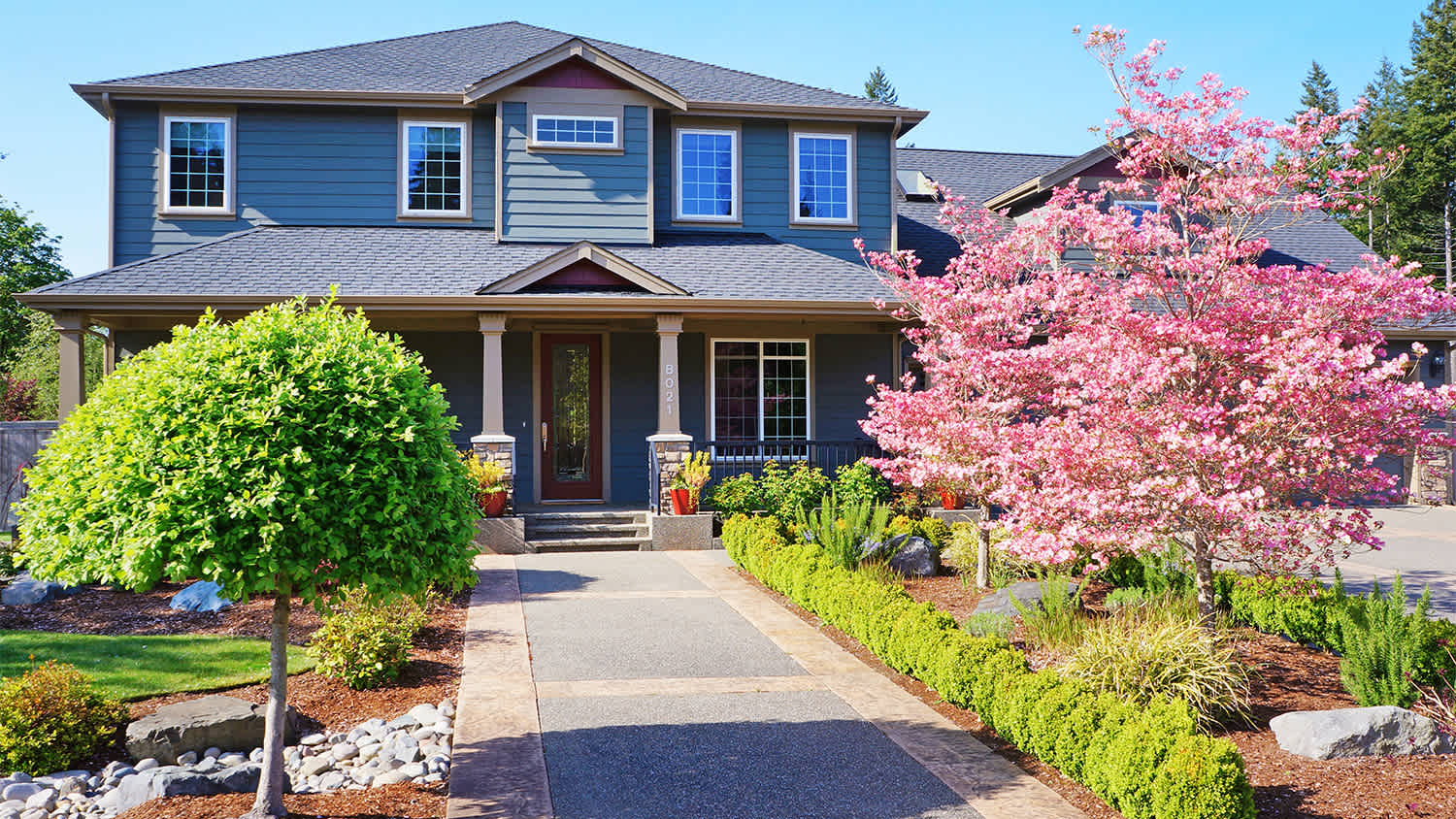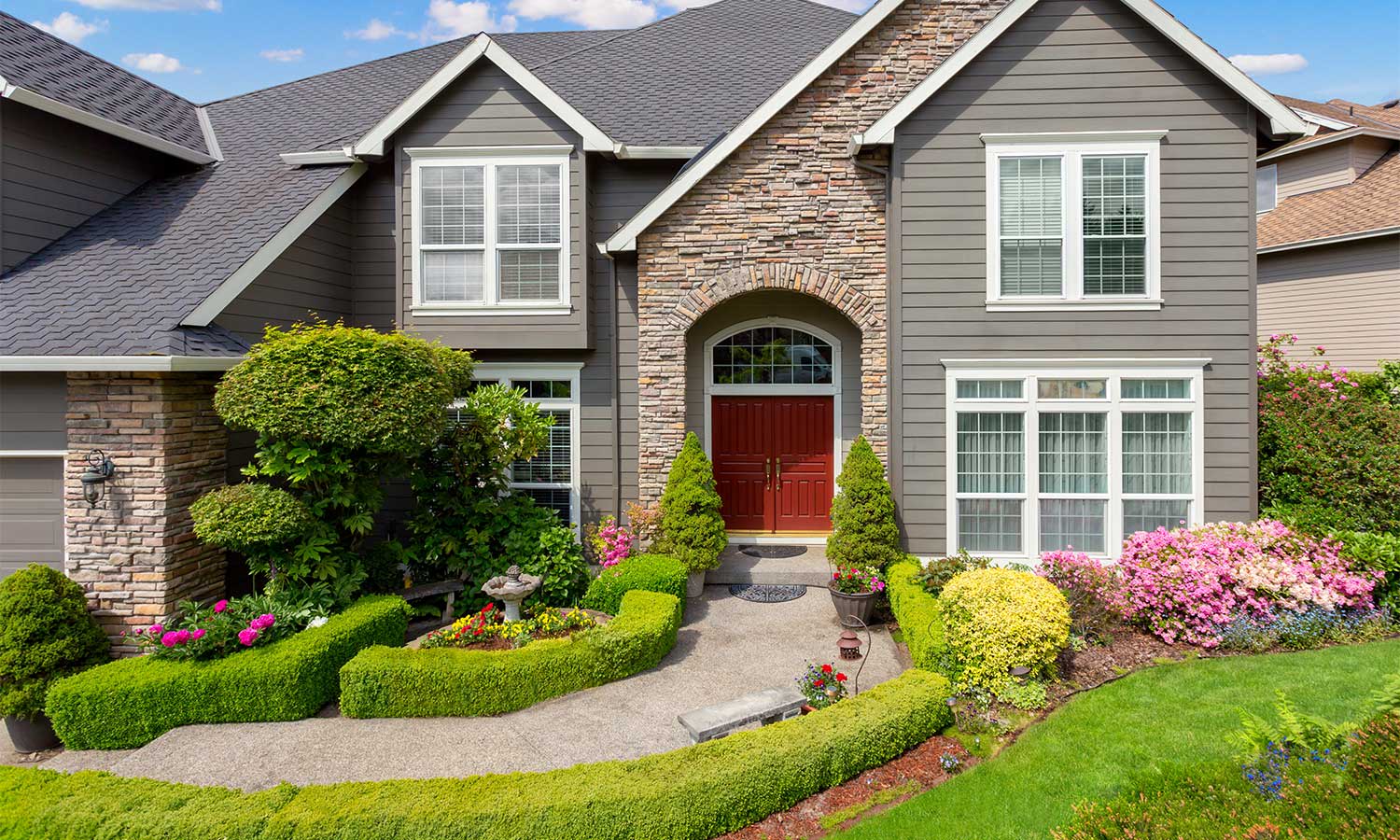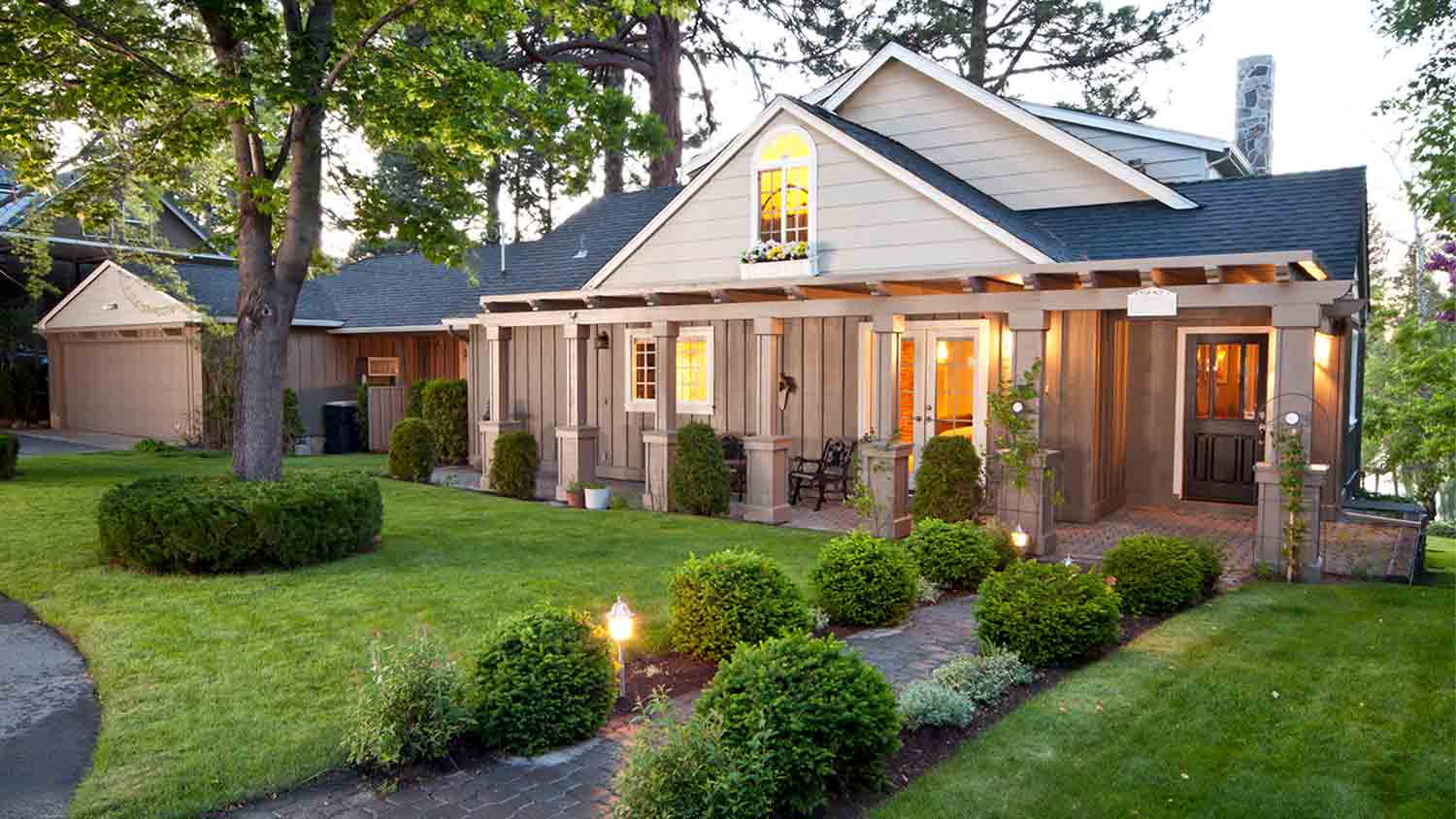

Top-rated landscapers.

Get matched with top landscapers in Jemison, AL

Enter your zip and get matched with up to 5 pros

Need a pro for your landscaping project in Jemison, AL?

Select your specific project to find the pro for you.

TRUSTED BY JEMISON, AL HOMEOWNERS

  • Average homeowner rating star icon4.4
    Average homeowner rating
  • Verified reviews icon64
    Verified landscaping services reviews

Find Landscapers in Jemison

Avatar for Spidells Lawncare
Spidells Lawncare
5.0(
4
)
Lawn Care - Maintain and Mow a Lawn

Serving Jemison, AL and surrounding areas

Approved

In business since 2018

Free estimates

Emergency services offered

"Extraordinarily dedicated Service with a high attention to detail. I was impressed by how crisp and professionally cut my lawn was afterwards. Would definitely recommend to a friend or family member."
Response time3 hrs
Recommended by66%of homeowners
...
Showing 1-10 of 270
Landscaping questions, answered by experts

Since the nature of the landscaping project can heavily influence the overall cost, it helps to understand what different types of landscaping projects cost on average. For example:

  • Plant a tree: $100–$2,000

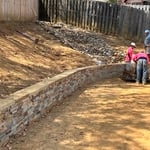
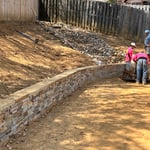
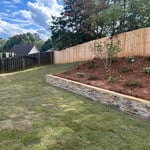
  • Build a retaining wall: $3,250–$9,200

  • Reseed a lawn: $450–$1,700

  • Install a water fountain: $950–$4,800

  • Install a paver patio: $2,400–$7,000

  • Install a concrete walkway: $1,200–$2,400

  • Install a flower bed: $800–$3,000

  • Landscape lighting: $2,000–$6,000

Xeriscaping can be more affordable than traditional landscaping, but it depends on your landscape design. However, you will save on water. If you live in an arid climate or a location prone to droughts, xeriscaping is an especially efficient way of reducing your lawn’s water demand without detracting from the beauty of your yard.

You should plant trees at least 15 to 20 feet away from your house, and more if the tree will grow large and spread its limbs. Trees pose several dangers to houses when planted too close. They can litter the roof with leaves and branches, create fire hazards, make a ladder for larger pests, and even damage the foundation as their roots grow.

As much as you might try to keep a healthy, nutrient-rich lawn, you still may notice signs of St. Augustine decline (SAD)—a viral disease that discolors your grass blades. St. Augustine decline looks like:

  • Discoloration in the leaves (chlorosis)—leaves appear yellow and splotchy

  • Decline in growth

  • Leaves turn black within 3 years

  • Grass appears less vibrant

  • Grass begins to thin

  • Root rot

  • Grass takes longer to recover

A scattering of leaves won’t pose a problem through the winter, but a thicker layer of leaves may not decompose before the first frost and can instead weigh down your grass and harbor mold or fungi. A thick layer of leaves also cuts off light and air that grass needs to grow. That’s why we suggest removing thick leaf layers within several days if possible. If your lawn goes dormant over the winter and snow has already caught up with you, then remove the leaves in early spring before your grass-growing season starts so your lawn can thrive.

The Jemison, AL homeowners’ guide to landscaping services

From average costs to expert advice, get all the answers you need to get your job done.