

Top-rated lead testing and removal specialists.

Get matched with top lead testing and removal specialists in Chickasaw, AL

Enter your zip and get matched with up to 5 pros

Need a pro for your lead testing and removal project in Chickasaw, AL?

Select your specific project to find the pro for you.

Find Lead testing and removal specialists in Chickasaw

Avatar for DRYmedic of Greater Fairhope AL
DRYmedic of Greater Fairhope AL
5.0(
1
)
Toxic Lead - AbatementToxic Lead - Testing

Serving Chickasaw, AL and surrounding areas

In business since 2017

Free estimates

Emergency services offered

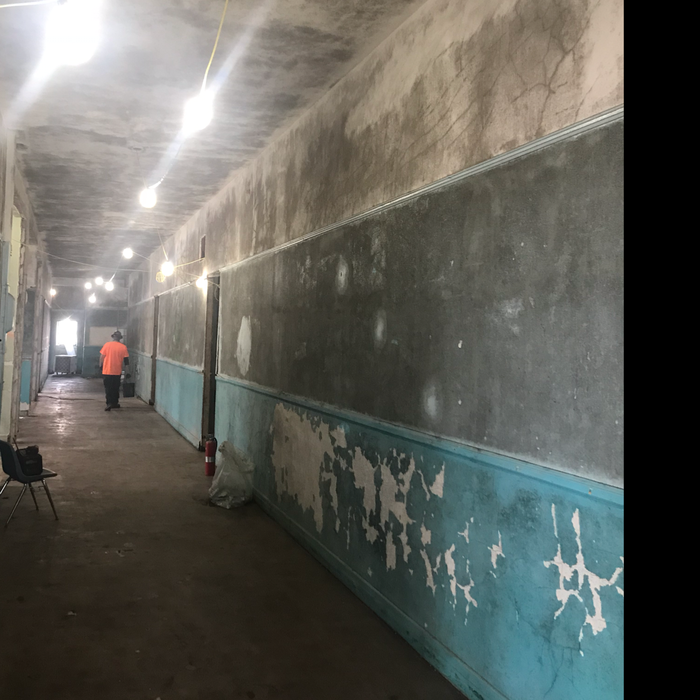
DryMedic Restoration Services specializes in a comprehensive range of restoration services, including:​ Water Damage Restoration: Addressing issues caused by leaks, floods, or other water-related incidents.​\nFire Damage Restoration: Repairing and restoring properties affected by fire and smoke.​\nMold Remediation: Identifying and removing mold to ensure a safe environment.​\nStorm Damage Restoration: Handling damages resulting from severe weather conditions.​\nContents Restoration: Restoring personal belongings damaged by water, fire, or mold.​\nBiohazard Cleanup: Managing the safe removal of hazardous materials.

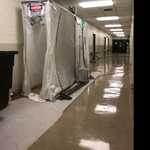
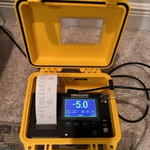
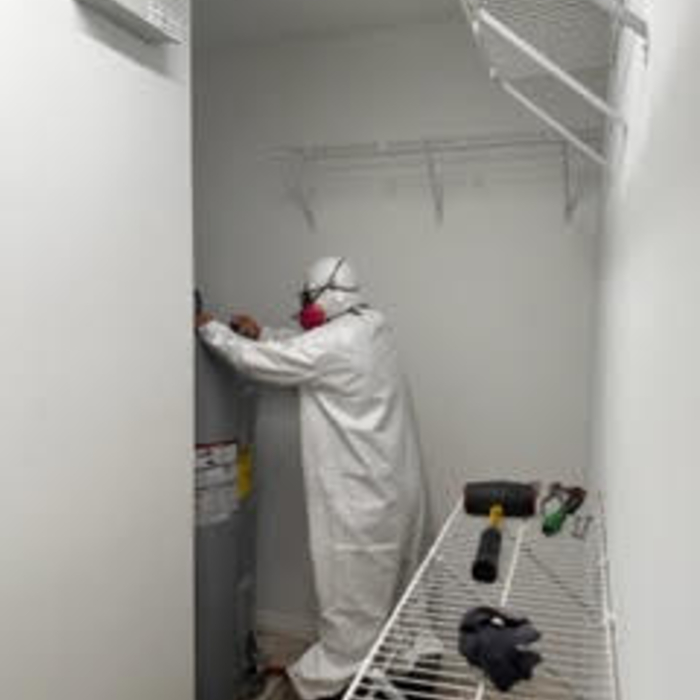
monitoring for negative pressure with manometer
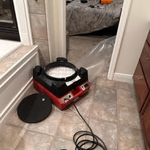
air scrubber
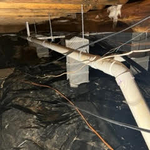
Crawl space pipe leak
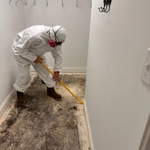
Mold abatement demo
Mold abatement demo

+32

Lead Testing and Removal questions, answered by experts

Avoid disturbing suspected lead-containing materials and follow professional guidance on sample collection.

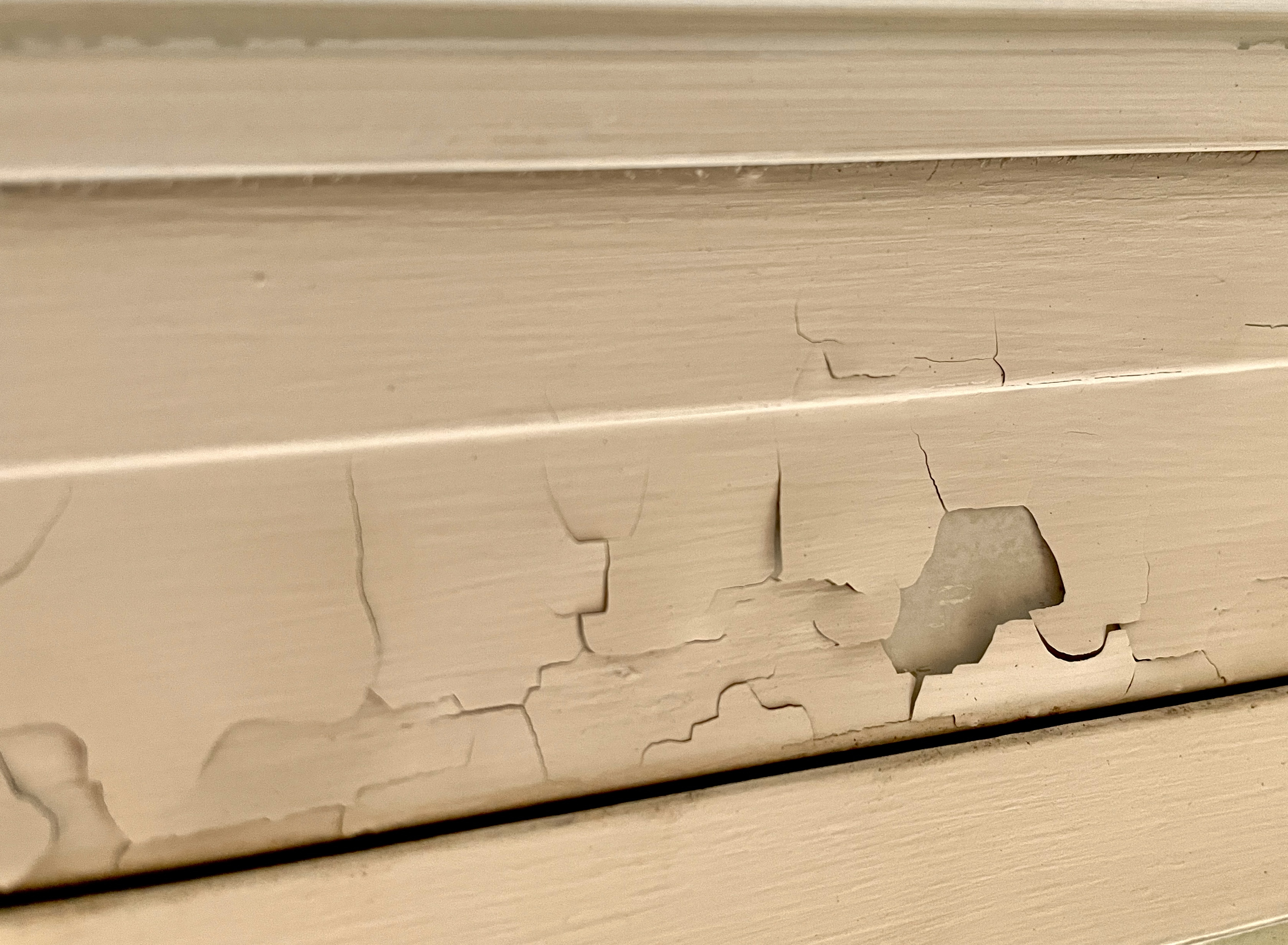
Lead toxicity comes from inhaling lead or consuming it. Before the 1980s, when the government banned lead from consumer use, it could be found in paint, plumbing, pipes, ceramics, and even gasoline. Lead paint is toxic for the same reason lead itself is toxic, which is why lead poisoning from paint presents the same as lead poisoning from water or food sources, with a slight increase in respiratory symptoms vs. digestive symptoms. Lead paint is most dangerous when it’s old and peeling, cracking, or otherwise disturbed. This increases the concentration in the air and, therefore, in breathable air. 

With regular testing, treatment, and maintenance, water from a community well should be safe to drink. Unfortunately, the EPA does not regulate private wells, and contamination can happen. 

If you have doubts about the quality and safety of your drinking water, you have options for testing. You can pick up kits from your local home supply store or harvest samples and send them to a local testing facility. To get the most complete water quality testing and system diagnosis, seek a local well professional. They know what to test for and can recommend and implement a longer-lasting solution.

“Testing” can start with your senses: Assessing your water’s appearance, taste, and smell can all be good first steps. The best way to know for sure what’s going on with your water is to use a well water testing kit, which can tell you about the specific levels of bacteria, dissolved solids, and hardness of your water with precision. Have a pro test your well water at least once per year.

According to the EPA, there is no safe level of lead in the blood, and so the maximum contaminant level goal (MCLG) for lead in water is zero. Even at low levels, lead is harmful to human health. It can also remain in the body and build up over time with repeated exposure.

The Chickasaw, AL homeowners’ guide to lead testing and removal services

From average costs to expert advice, get all the answers you need to get your job done.