Top-rated lead testing and removal specialists.

Best lead testing and removal specialists near Saraland, AL

Enter your zip and get matched with up to 5 pros

Need a pro for your lead testing and removal project in Saraland, AL?

Select your specific project to find the pro for you.

Top-Rated Lead testing and removal specialists in Saraland - Updated Nov 2026

Avatar for DRYmedic of Greater Fairhope AL
DRYmedic of Greater Fairhope AL
5.0(
1
)
Toxic Lead - AbatementToxic Lead - Testing

Serving Saraland, AL and surrounding areas

In business since 2017

Free estimates

Emergency services offered

DryMedic Restoration Services specializes in a comprehensive range of restoration services, including:​ Water Damage Restoration: Addressing issues caused by leaks, floods, or other water-related incidents.​\nFire Damage Restoration: Repairing and restoring properties affected by fire and smoke.​\nMold Remediation: Identifying and removing mold to ensure a safe environment.​\nStorm Damage Restoration: Handling damages resulting from severe weather conditions.​\nContents Restoration: Restoring personal belongings damaged by water, fire, or mold.​\nBiohazard Cleanup: Managing the safe removal of hazardous materials.

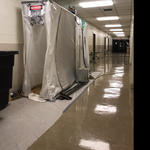
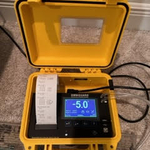
monitoring for negative pressure with manometer
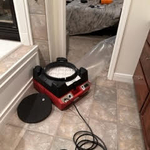
air scrubber
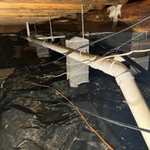
Crawl space pipe leak
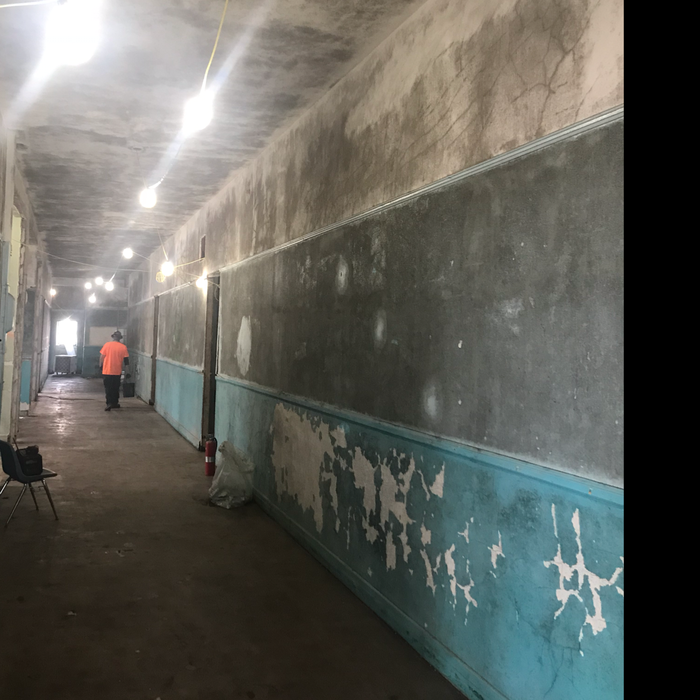
Mold abatement demo
Mold abatement demo

+32

Lead Testing and Removal FAQs, answered by experts

Professional testing for lead paint costs about $300, ranging from about $250 to $700, depending on the square footage, accessibility, and location. However, testing for lead paint with a DIY home-testing kit costs about $25, but doesn’t guarantee accurate results. The U.S. Environmental Protection Agency (EPA) recommends using a lead test kit that complies with the Lead Renovation, Repair, and Painting (RRP) Rule, which has strict criteria for ensuring a more accurate reading.

Common home surfaces to test for lead include:

  • Walls

  • Windows

  • Doors

  • Molding and trim

  • Railings

According to the Environmental Protection Agency (EPA), hazardous waste is generally classified into four main categories:

1. Characteristic Wastes: These exhibit at least one of four hazardous traits: ignitability (flammable, like gasoline), corrosivity (can rust or decompose materials, like car batteries), reactivity (unstable and can explode, like aerosol cans), or toxicity (harmful when ingested, like lead-based paint).

2. Listed Wastes: These are specific wastes from manufacturing and industrial processes that the EPA has officially designated as hazardous. They include byproducts from processes that use solvents, pesticides, and other chemicals.

3. Universal Wastes: These are commonly generated hazardous items that are subject to streamlined regulations. Examples include batteries, pesticides, mercury-containing equipment (e.g., bulbs), and some lamps.

4. Mixed Wastes: This category includes waste that contains both hazardous and radioactive components, making it subject to regulation by both the EPA and the Nuclear Regulatory Commission.


Iron sediments from rusty pipes are not likely to cause health problems. While a glass of yellow-hued water is off-putting, it is generally safe to drink yellow water in the short term. But you certainly want to address this problem. In the meantime, switching to bottled water until the yellow water issue is resolved is a good idea. 

Some causes of brown well water—like excess tannins or dissolved iron—don’t pose a health risk. In other cases, harmful bacteria might be the culprit. If your well water has suddenly turned brown, it’s a good idea to use a home water test kit to get a better sense of what’s going on with your water. Consider calling a professional for an expert opinion before drinking the water and hoping for the best.

DIY kits are available for basic air quality testing, but professional services provide more comprehensive results and recommendations. While a DIY kit may seem cost-effective, a professional assessment is more thorough. Inspectors are better equipped to catch all pollutants and hazards, and you'll still need a professional to verify and act on DIY test results. Furthermore, some kits don't test for certain pollutants or only detect their presence without measuring specific levels (like mold spores). It's generally better to opt for a detailed professional assessment.

The Saraland, AL homeowners’ guide to lead testing and removal services

From average costs to expert advice, get all the answers you need to get your job done.