
Top-rated lead testing and removal specialists.

Get matched with top lead testing and removal specialists in Bucks, AL

Enter your zip and get matched with up to 5 pros

Need a pro for your lead testing and removal project in Bucks, AL?

Select your specific project to find the pro for you.

Find Lead testing and removal specialists in Bucks

Avatar for DRYmedic of Greater Fairhope AL
DRYmedic of Greater Fairhope AL
5.0(
1
)
Toxic Lead - AbatementToxic Lead - Testing

Serving Bucks, AL and surrounding areas

In business since 2017

Free estimates

Emergency services offered

DryMedic Restoration Services specializes in a comprehensive range of restoration services, including:​ Water Damage Restoration: Addressing issues caused by leaks, floods, or other water-related incidents.​\nFire Damage Restoration: Repairing and restoring properties affected by fire and smoke.​\nMold Remediation: Identifying and removing mold to ensure a safe environment.​\nStorm Damage Restoration: Handling damages resulting from severe weather conditions.​\nContents Restoration: Restoring personal belongings damaged by water, fire, or mold.​\nBiohazard Cleanup: Managing the safe removal of hazardous materials.
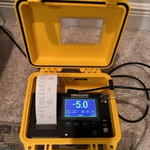
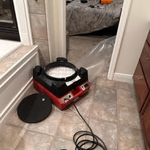
monitoring for negative pressure with manometer
air scrubber
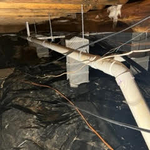
Crawl space pipe leak
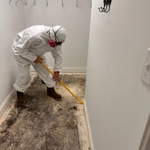
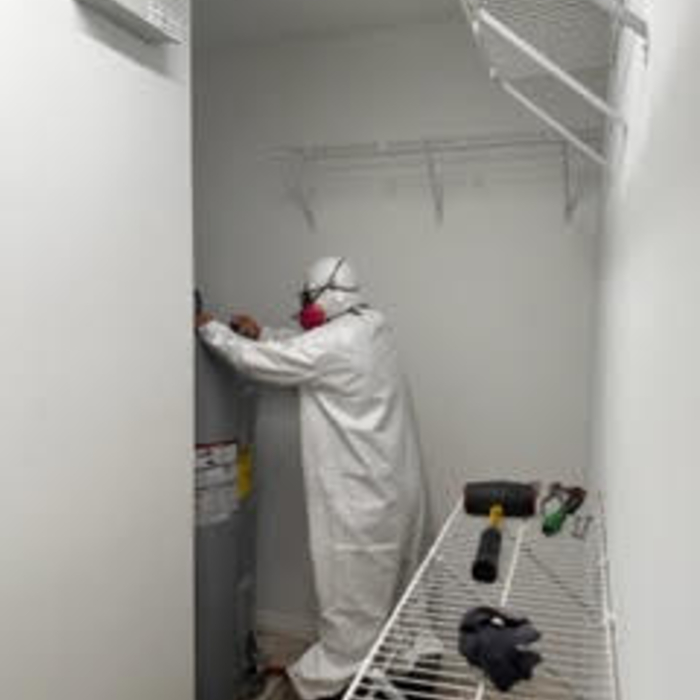
Mold abatement demo
Mold abatement demo

+32

Lead Testing and Removal questions, answered by experts

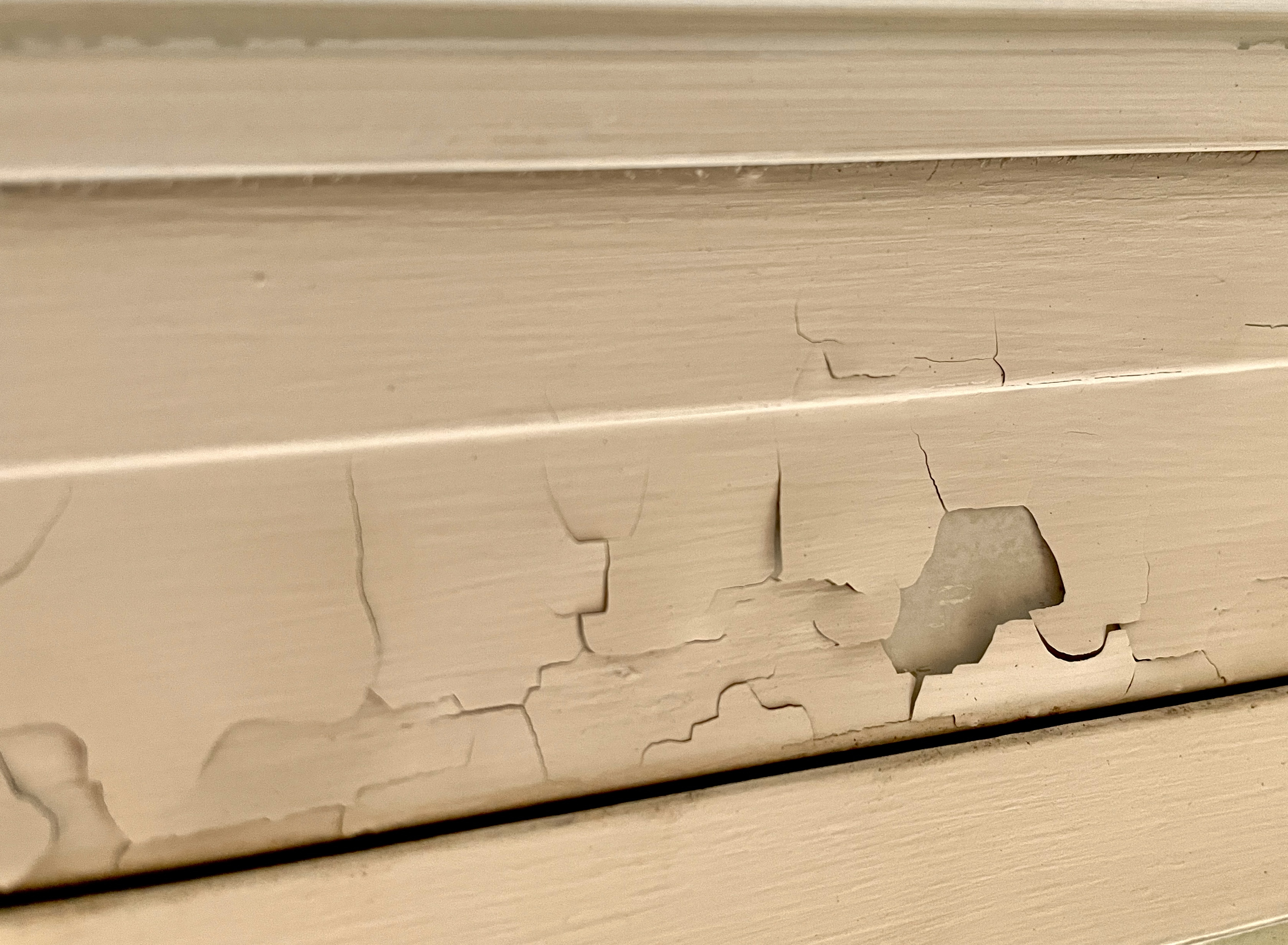
If your house was built before 1978 and you’re noticing cracking or peeling paint, a lead paint inspection is a good idea. A lead paint inspection gives you accurate information about the presence, location, and condition of lead-based paint in your home. This information is essential for making informed decisions about lead paint removal to ensure your safety and health and that of your family. If your inspector finds lead, you’ll need to take steps to manage or remove the lead-based paint and comply with laws and regulations.

Lead testing in residential properties involves collecting samples from paint, dust, soil, or plumbing and analyzing them in certified laboratories to accurately identify lead levels.

According to the Environmental Protection Agency (EPA), hazardous waste is generally classified into four main categories:

1. Characteristic Wastes: These exhibit at least one of four hazardous traits: ignitability (flammable, like gasoline), corrosivity (can rust or decompose materials, like car batteries), reactivity (unstable and can explode, like aerosol cans), or toxicity (harmful when ingested, like lead-based paint).

2. Listed Wastes: These are specific wastes from manufacturing and industrial processes that the EPA has officially designated as hazardous. They include byproducts from processes that use solvents, pesticides, and other chemicals.

3. Universal Wastes: These are commonly generated hazardous items that are subject to streamlined regulations. Examples include batteries, pesticides, mercury-containing equipment (e.g., bulbs), and some lamps.

4. Mixed Wastes: This category includes waste that contains both hazardous and radioactive components, making it subject to regulation by both the EPA and the Nuclear Regulatory Commission.

Government regulations such as the EPA and OSHA govern lead removal procedures to ensure health and environmental safety during and after abatement.

Through air sampling devices and surface swabs in key areas of concern.

The Bucks, AL homeowners’ guide to lead testing and removal services

From average costs to expert advice, get all the answers you need to get your job done.