




Get matched with top deck maintenance specialists in Cedar Bluff, AL
Top-rated deck maintenance specialists.

Need a pro for your deck maintenance project in Cedar Bluff, AL?

Select your specific project to find the pro for you.
Deck Maintenance questions, answered by experts

Whether you need a permit depends on the deck design and local regulations. Most areas mandate a building permit if the deck is over a specific height or if it's attached to a pre-existing structure. Shorter, freestanding decks may not require a permit, but you should check with local zoning ordinances and your homeowners association for specifics.

It’s best to prime composite decking before painting. This promotes better paint adhesion, helps create a smooth finish, and can mean the paint job will last longer. Always follow the manufacturer’s instructions for application, allow ample primer drying time before painting (typically 24 to 48 hours), and thoroughly clean the deck boards to promote the best adhesion.
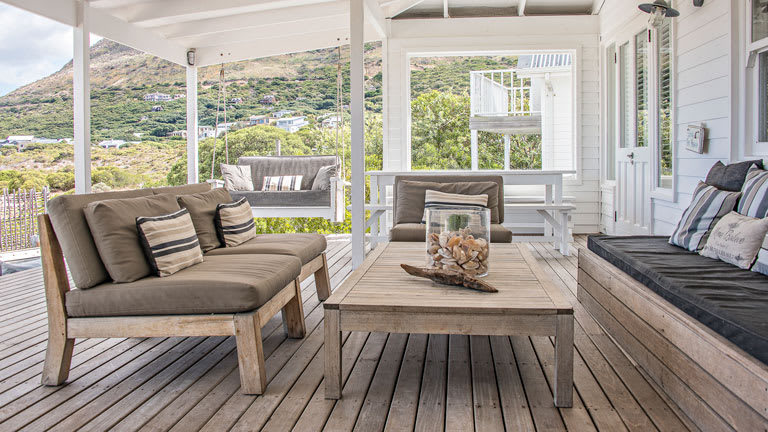
Cutting the boards directly is one of the fastest ways to remove deck boards with hidden fasteners. Mark two parallel lines that are one-third of the total measurement on both ends and cut out the centerpiece. Then, remove the end of the board that doesn’t have a fastener. Finally, pry open the fastened side and pull it up to pop out the screw or access the fastener. This also allows you to salvage portions of boards for other projects.

Because adding a deck will yield a higher property value, you may have higher insurance costs. It’s important to follow the codes and regulations set by your local and state governments, so your insurance rates can be properly calculated. You may need an insurance revaluation after your deck is completed. The best course of action is to speak with an insurance professional to understand how adding a deck will impact your home’s insurance costs before you begin.
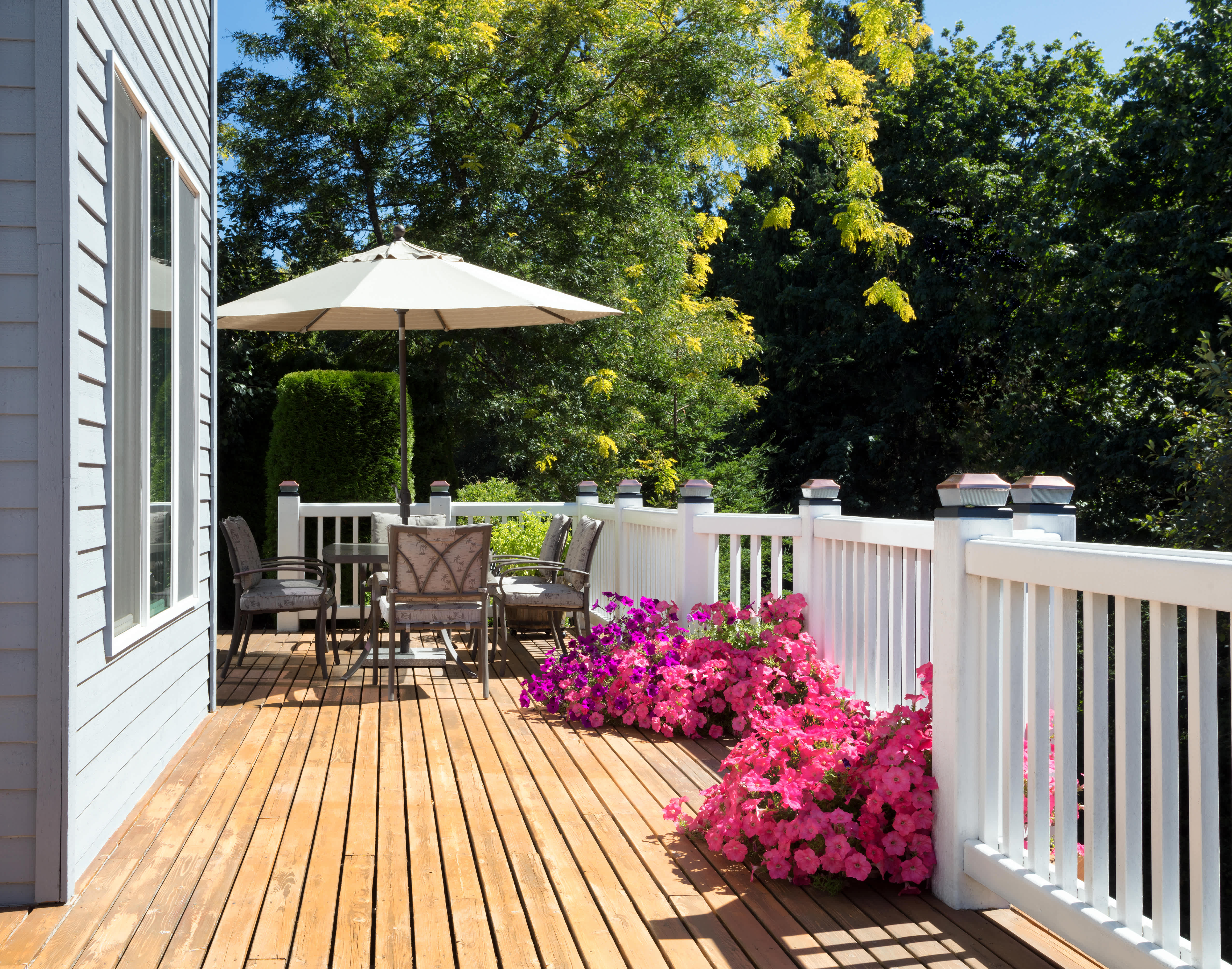
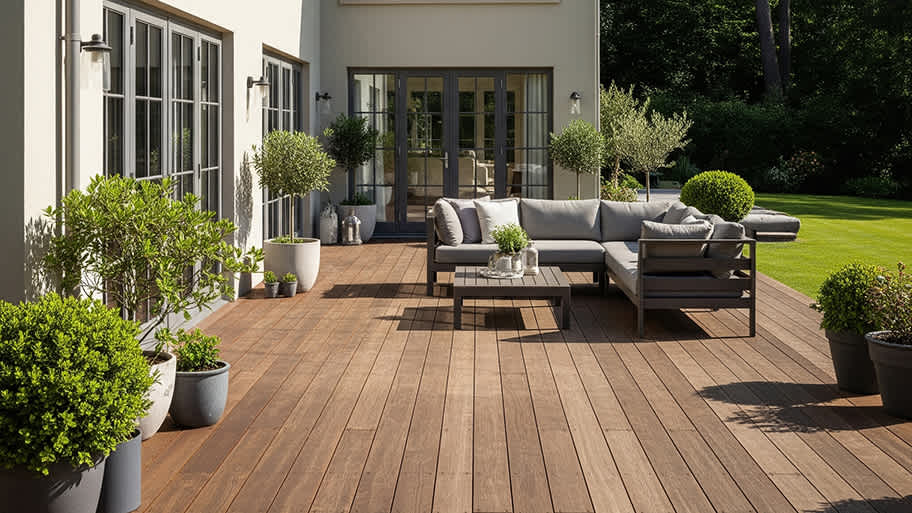
Building a deck is often worth the investment, not only because it provides more utility to your yard and gives you more space to entertain but also because decks tend to add value to your home. Keep in mind that second-story decks often require concrete footings, which means they will bump up your property taxes, while decks built on the first story generally don’t require a permanent foundation and won’t affect your taxes. Even with the tax increase, decks are usually a good investment in the long run.